Tensions escalated in Kenya’s boda boda sector on Friday, July 25, 2025, as riders threatened nationwide demonstrations over a proposed regulation bill they describe as unfair, costly, and confusing. The unrest, brewing since the bill’s introduction, reached a peak during a heated meeting in Nairobi at 10:00 AM East Africa Time, where operators voiced their frustration. Representing a vital industry that employs millions, the boda boda community warned that the legislation risks duplicating the National Transport and Safety Authority’s (NTSA) role, politicizing the sector, and devastating livelihoods. “This bill will break our backs; it’s designed to punish us, not protect us,” said a rider from Nakuru, addressing a crowd of fellow operators gathered outside Parliament. The outcry has prompted lawmakers to urge riders to suggest changes rather than reject the proposal outright, setting the stage for a contentious debate.
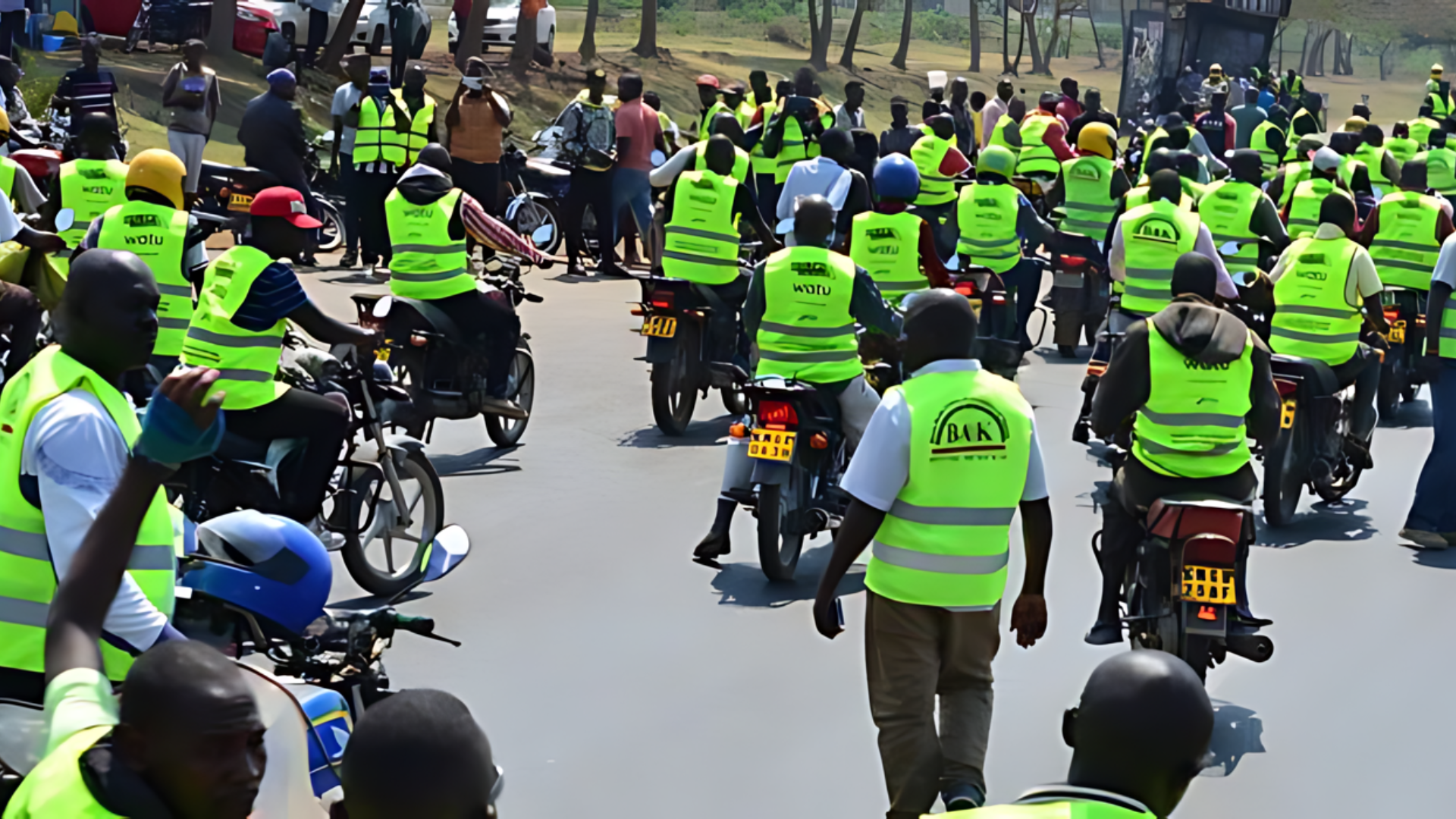
The Public Transport (Motorcycle Regulation) Bill, currently under review, aims to impose stricter controls on the boda boda industry, including mandatory registration, tracking devices, and weight limits. Riders argue that these measures impose unnecessary financial burdens and overlap with existing NTSA regulations. A leader from the Boda Boda Safety Association, speaking at the Nairobi gathering, emphasized the sector’s economic significance. “We are over two million strong, supporting families and moving goods across the country; this bill threatens to undo all that,” he said, holding a microphone as chants of dissent rose from the crowd. The association contends that the legislation’s complexity could lead to inconsistent enforcement, with a vendor in Mombasa adding, “Every county will have its own rules; how are we supposed to keep up?”
The bill’s provisions include the creation of county-level Motorcycle Transport and Safety Boards, mandatory Sacco membership, and hefty fines for violations such as riding on pedestrian walkways. Operators see these as punitive, with a rider from Kisumu noting, “A Sh20,000 fine for using a walkway? That’s my week’s earnings gone in a moment.” The requirement for GPS trackers has drawn particular ire, with many citing the high cost of installation and maintenance. “We barely make enough to feed our families; adding trackers will push us out of business,” said a young operator in Thika, adjusting his helmet as he spoke to reporters. The sector’s warning of politicization stems from fears that county executives could manipulate the boards for political gain, a concern echoed by a mechanic in Eldoret who remarked, “This will turn our work into a political game.”
The boda boda industry, a cornerstone of Kenya’s informal economy, provides affordable transport and last-mile connectivity, particularly in rural areas with poor road networks. Operators estimate that the sector supports millions indirectly through mechanics, spare parts dealers, and fuel vendors. A woman selling vegetables near a Nairobi stage observed, “These riders keep my business alive; if they suffer, we all do.” The threat of demonstrations reflects deep anxiety about livelihood disruption, with riders planning to mobilize across counties if their demands are ignored. “We’re ready to shut down the roads if they don’t listen,” said a rider from Bungoma, his voice firm as he stood with others holding signs.
Lawmakers, however, have taken a conciliatory tone, urging riders to engage constructively. During a parliamentary session on Thursday, an MP from the Transport Committee suggested, “We want to hear your ideas; rejection won’t solve this—let’s find a middle ground.” The call comes as the bill, sponsored by a senator, moves toward a vote in the National Assembly, despite earlier attempts to withdraw it amid public backlash. Riders argue that the NTSA already oversees registration and safety, rendering the new boards redundant. A conductor in Nakuru, counting fares, added, “We’re already registered with NTSA; why make us pay twice?” The duplication concern has fueled accusations of bureaucratic overreach, with some operators suggesting the bill benefits politically connected suppliers of tracking devices.
Public sentiment along key routes mirrors the riders’ frustration. In Nyeri, a farmer waiting for a ride to the market said, “These new rules will make transport too expensive; we rely on boda bodas.” In contrast, a teacher in Kitui, listening to the news on her phone, offered a cautious view. “Safety is important, but they need to listen to the riders first.” The bill’s weight limit of 50 kilograms has drawn particular criticism, with a trader in Marsabit noting, “A sack of maize weighs more; how will I get my goods to market?” The sector’s informal nature, where riders operate flexibly, clashes with the bill’s demand for formal contracts, a point raised by a youth leader in Naivasha. “We work day to day; contracts don’t fit our lives,” he said during a community meeting.
The politicization fear stems from the bill’s devolution of regulation to county governments, a move riders see as opening the door to favoritism. A rider in Garissa, fueling his bike, remarked, “County bosses will pick their friends for these boards; we’ll be left out.” This concern is heightened by the sector’s history of clashes with authorities, including past crackdowns on unlicensed riders. A shopkeeper in Thika, serving customers near a stage, added, “They’ve targeted us before; this feels like another way to control us.” The NTSA’s role, established to standardize transport safety, is seen as undermined, with operators calling for its mandate to be strengthened instead of creating parallel structures.
Riders have proposed alternatives, including better training programs and road safety campaigns, rather than new regulatory layers. A mechanic in Eldoret, repairing a bike, suggested, “Teach us to ride safely, not fine us out of existence.” The association has also pushed for subsidies to offset tracker costs, a plea supported by a mother in Mombasa who relies on riders for deliveries. “If they can’t afford it, how will they work?” she asked, carrying groceries home. MPs have acknowledged these suggestions, with one lawmaker noting during a session, “We’re open to amendments if they address safety without harming livelihoods.” The dialogue, though, remains tense, with riders skeptical of political promises.
The threat of demonstrations has galvanized communities, with stages becoming hubs of discussion. In Kisumu, a group of riders gathered under a tree, planning their next move. “We’ll block the roads if they pass this bill as is,” said one, his voice rising above the hum of passing bikes. In Nairobi’s CBD, a vendor selling roasted maize observed, “They’re angry, and I don’t blame them; this affects us all.” The sector’s economic contribution, estimated at billions annually, underscores the stakes, with a student in Nyahururu adding, “Millions depend on this; they can’t just ignore it.” The protests, if they occur, could disrupt urban and rural transport, amplifying the riders’ message.
Health and safety concerns, while acknowledged, are overshadowed by the bill’s perceived harshness. A nurse in Nakuru, treating accident victims, noted, “Riders need training, but not at the cost of their jobs.” The NTSA has faced criticism for weak enforcement, with riders suggesting better patrols over new laws. A policeman in Thika, directing traffic, remarked, “We need more officers, not more rules to enforce.” The bill’s fines, including a Sh100,000 penalty for ganging up, have been called vague, with a rider in Eldoret saying, “What does that even mean? We talk to each other every day.” This ambiguity fuels the perception of a law designed to intimidate.
As the afternoon progressed, the story spread across Kenya’s landscapes. In rural areas like Marsabit, a herder listening to a radio update said, “They’re our lifeline; don’t break it.” In urban centers like Kisii, a shopkeeper tuning into a broadcast added, “This could hurt small businesses too.” The association has set a deadline for government response, with plans to escalate if unmet. A youth leader in Naivasha, organizing a rally, reflected, “We want a seat at the table, not a boot on our necks.” The bill’s fate hangs in balance, with riders and MPs at a crossroads, the outcome likely to shape the sector’s future.
The evening brought a quiet intensity to boda boda stages, with riders sharing strategies and commuters expressing concern. In Thika, a woman waiting for a ride noted, “I hope they find a way; I need them to get to work.” In Nairobi, a student at a cyber cafe scrolled through updates, saying, “This could change how we move.” The threat of protests looms large, with the sector’s vitality at stake. A vendor in Gikomba market, packing up, added, “Let’s hope they listen before it’s too late.” As Kenya watches, the debate over the bill’s fairness and feasibility continues, with livelihoods and mobility hanging in the balance.