Chief Justice Martha Koome issued a powerful appeal to Kenyans, urging them to exercise their constitutional right to protest peacefully while condemning acts of looting and property destruction that have marred recent demonstrations. Speaking during the swearing-in of new commissioners to the National Police Service Commission in Nairobi, Koome emphasized the delicate balance between upholding the right to assembly and maintaining law and order. She called on the National Police Service to handle protests with restraint and proportionality, adhering strictly to human rights standards, and to differentiate between peaceful protesters and criminal elements who infiltrate demonstrations to sow chaos. Her remarks come in the wake of the violent Saba Saba protests on July 7, 2025, which left 11 dead and 567 arrested, highlighting the escalating tensions between Kenya’s youth, law enforcement, and the government.
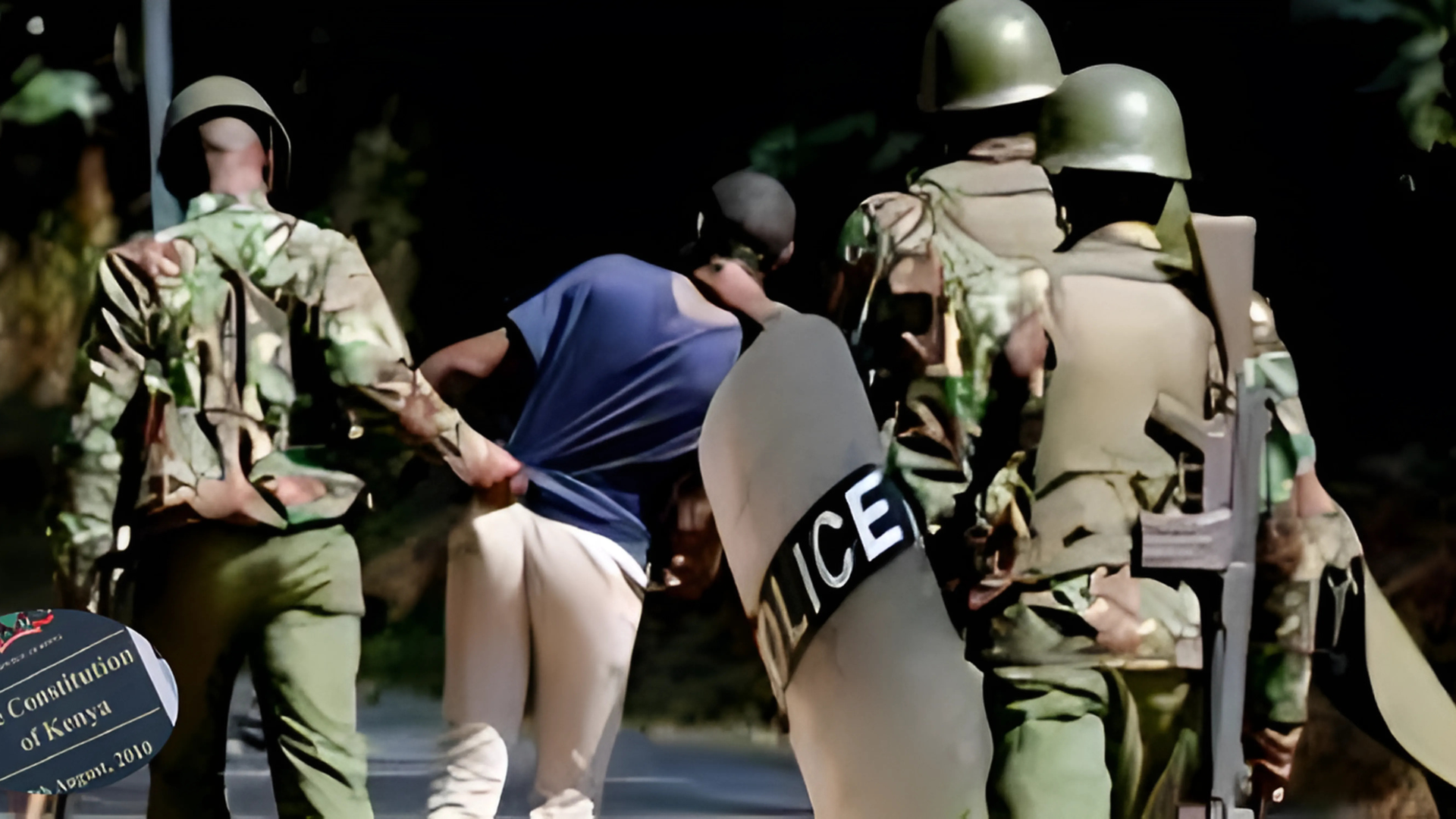
Koome’s statement, delivered with the gravitas of her position as head of the Judiciary, underscored the significance of the Saba Saba protests, which mark the 35th anniversary of the 1990 pro-democracy movement that ushered in multiparty politics. Addressing an audience of government officials, civil society leaders, and newly appointed commissioners, she reminded Kenyans of their hard-won democratic freedoms. “The right to protest is enshrined in Article 37 of our Constitution,” Koome said. “But this right must be exercised peacefully, without carrying arms, destroying property, or looting businesses.” Her words were a direct response to reports of vandalism, including the invasion of Kitengela Sub-County Hospital and attacks on court infrastructure, which she described as a “direct affront to the rule of law.”
The Chief Justice’s appeal was twofold, addressing both citizens and law enforcement. She urged protesters, particularly the Generation Z activists leading the charge, to refrain from violence and respect public infrastructure. “Members of the public must exercise their right to protest peacefully without engaging in acts of destruction, looting, or vandalism,” she reiterated, pointing to the economic toll of recent protests, which saw businesses in six counties looted and properties worth millions damaged. Koome’s call for restraint was echoed by civil society groups, with one Nairobi-based activist noting, “We want justice, not chaos. Destroying our own communities sets us back.” Posts on X reflected similar sentiments, with one user writing, “Koome is right—protest yes, but don’t burn down our hospitals and courts.”
Turning to the police, Koome stressed the importance of distinguishing between peaceful demonstrators and those exploiting protests for criminal purposes. “It is incumbent upon the police to respond with restraint, proportionality, and strict adherence to human rights standards,” she said, cautioning against excessive force. She highlighted reports of criminal gangs wielding crude weapons, such as machetes and clubs, operating alongside police in counties like Nairobi and Eldoret. “The police must isolate these criminal elements and ensure they face the justice system,” Koome added, urging the new commissioners to foster a professional police service that upholds public trust. Her remarks followed allegations of police brutality, with the Kenya National Commission on Human Rights documenting 10 deaths and 29 injuries during the Saba Saba protests, many attributed to live ammunition and tear gas.
The context of Koome’s appeal is rooted in Kenya’s ongoing wave of anti-government protests, driven by youth frustration over economic stagnation, corruption, and alleged abductions of activists. The July 7 demonstrations, centered in cities like Nairobi, Embu, and Kitengela, saw clashes that resulted in significant loss of life and property. The invasion of Kitengela Sub-County Hospital, where goons disrupted a cesarean section and stole oxygen machines, drew particular ire. “Hospitals are sanctuaries,” said a Kitengela nurse, speaking anonymously. “To attack them is to attack our humanity.” Koome’s condemnation of such acts builds on her earlier statements, including a June 2025 warning against targeting judicial infrastructure, which she described as a setback for marginalized communities reliant on courts for justice.
Koome’s leadership in navigating these tensions reflects her broader push for judicial reform and accountability. During the swearing-in ceremony, she urged the new commissioners to serve with “dignity, courage, and excellence,” emphasizing their role in ensuring a police service that respects constitutional rights. “The National Police Service Commission has a critical mandate to restore public confidence,” she said, pledging the Judiciary’s support through the National Council on the Administration of Justice. Her remarks were a nod to recent initiatives, such as the launch of specialized gender-based violence courts in Kisumu and Siaya, aimed at addressing rising femicide cases and reinforcing access to justice.
The protests have also spotlighted deeper systemic issues, with Kenya grappling with a KSh 11.36 trillion public debt and inflation at 5.1 percent. Demonstrators, led by Gen Z, have demanded accountability for alleged abductions, including the case of blogger Albert Ojwang, whose death in custody fueled outrage. “We’re not just protesting for fun,” said a Nairobi protester. “We want jobs, fairness, and an end to police killings.” Koome’s call for peaceful demonstrations aligns with sentiments from figures like former Makueni Governor Kivutha Kibwana, who urged dialogue between President William Ruto and youth leaders. “The government must listen,” Kibwana said. “Repression only deepens the divide.”
Police response to the protests has drawn mixed reactions. The National Police Service reported 52 officer injuries and commended its personnel for “exceptional restraint” amid “sustained violence.” However, reports of plainclothes officers and criminal gangs operating together have raised alarms. “The presence of hooded gangs alongside police is troubling,” said a human rights lawyer in Nairobi, echoing concerns from the Kenya Human Rights Commission. Interior Cabinet Secretary Kipchumba Murkomen defended the police, stating that demonstrations had been “infiltrated by criminals” and that officers had reduced looting compared to prior protests. Yet, his earlier directive to “shoot on sight” at police stations drew criticism, with Koome’s appeal for restraint seen as a direct counter to such rhetoric.
Public sentiment on X has been polarized. “Koome’s call for peace is spot-on, but the police need to follow her advice,” posted a Mombasa resident. Another user countered, “Protesters are angry for a reason. The government can’t keep ignoring us.” The hashtag #SabaSaba2025 trended, with videos of tear gas and bonfires circulating alongside calls for justice. Some users praised Koome’s balanced approach, with one writing, “She’s defending our rights while calling out goons. That’s leadership.” Others expressed skepticism, noting past failures to prosecute officers for excessive force. “Rex Masai’s killer from last year’s protests is still free,” posted a Nairobi student, referencing ongoing court cases.
The Saba Saba protests, rooted in the 1990 push for multiparty democracy, have evolved into a platform for Gen Z to demand systemic change. The 2024 anti-tax protests, which led to the withdrawal of the Finance Bill, set the stage for this year’s unrest, with 19 deaths reported on June 25 alone. Koome’s appeal reflects her ongoing commitment to protecting democratic rights while safeguarding judicial operations. In June 2025, she condemned the torching of Kikuyu law courts as an act of terrorism, a stance she reiterated in response to recent attacks on judicial infrastructure. “The destruction of courts undermines access to justice for the vulnerable,” she said, calling for collaboration with security agencies to protect facilities.
As Kenya navigates this turbulent period, Koome’s leadership is seen as a stabilizing force. Her call for dialogue and accountability resonates with civil society, which has proposed safe protest zones to prevent clashes. “We need a framework where protests don’t end in bloodshed,” said a governance expert in Kisumu. The Chief Justice’s remarks also come amid heightened political tensions, with figures like Manyatta MP Gitonga Mukunji facing arrest for alleged incitement. “The state must uphold the law, not bend it,” Koome said, indirectly addressing concerns about political targeting.
Looking forward, Koome’s appeal sets the tone for a critical juncture in Kenya’s democratic journey. The National Police Service Commission, now bolstered by new appointees, faces the challenge of implementing reforms to curb excessive force. “We need a police service that serves, not suppresses,” said a commissioner during the ceremony. For protesters, the path ahead involves balancing righteous anger with restraint, as Koome urged. As Kenya reflects on the legacy of Saba Saba, her words serve as a reminder that democracy thrives on dialogue, not destruction, and that justice must prevail for both citizens and those tasked with protecting them.