A significant victory for former National Hospital Insurance Fund (NHIF) employees unfolded in Nairobi on Monday, July 28, 2025, as the Labour Relations Court delivered a ruling ensuring that staff absorbed into the Social Health Authority (SHA) or redeployed within the public service will retain their last drawn salaries. The decision, announced at 10:00 AM East Africa Time, came as a response to a petition filed by ex-NHIF employees seeking to prevent salary reductions during their transition or redeployment following the dissolution of NHIF. The ruling, handed down by a judge after weeks of deliberation, offers financial stability to hundreds of workers navigating the shift to SHA and other public roles. “This judgment restores our peace of mind; we can now plan our lives without fear of losing income,” a relieved employee said outside the courtroom, clutching a copy of the ruling.
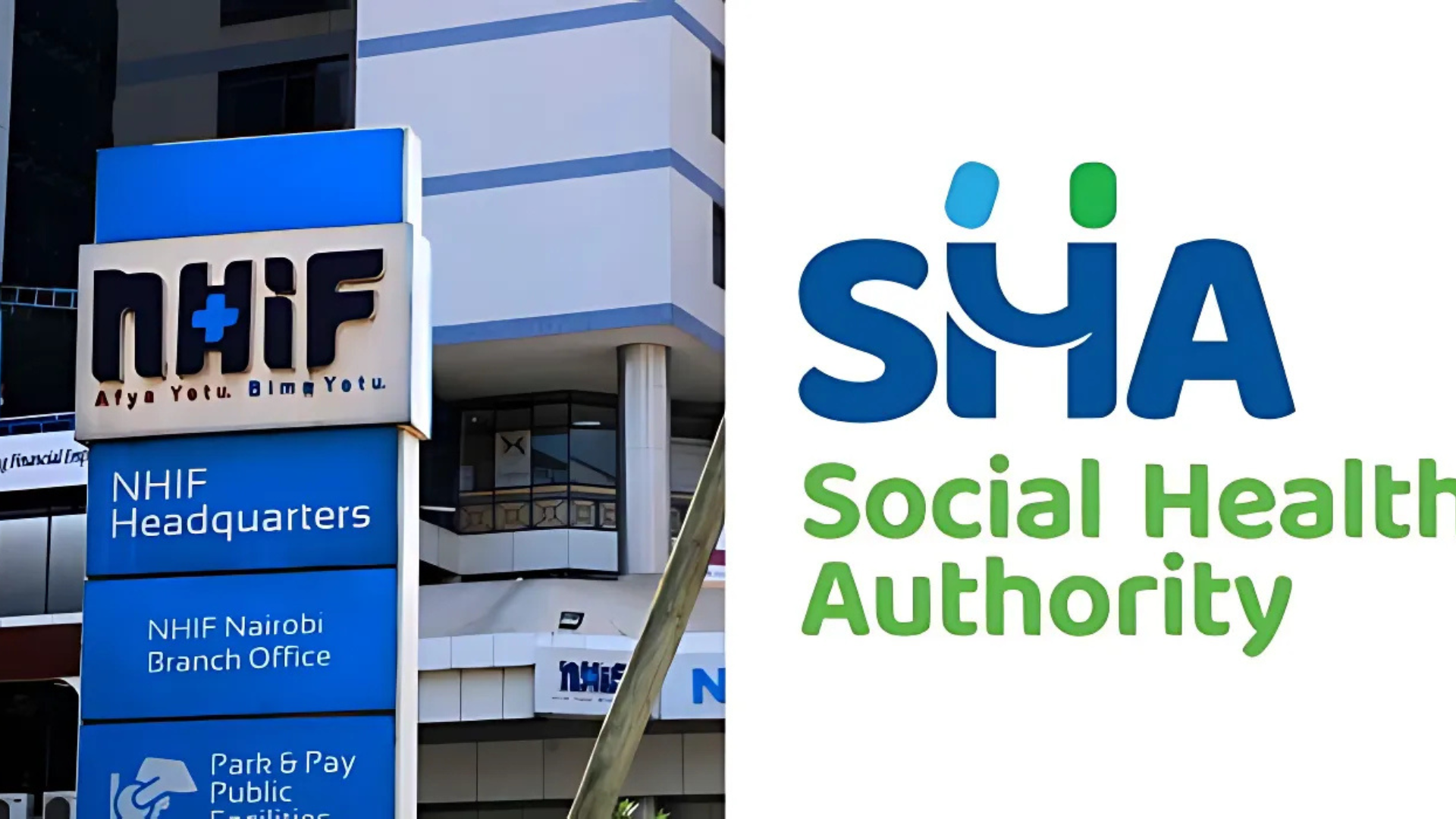
The petition stemmed from concerns raised by over 1,700 former NHIF staff members, less than half of whom were absorbed into SHA, with the remainder facing redeployment or early retirement options. The transition, initiated under the Social Health Insurance Act of 2023, replaced NHIF with SHA to oversee Kenya’s new health insurance framework, but it left employees uncertain about their pay and job security. The petitioners argued that proposed salary adjustments would unfairly diminish their earnings, citing years of service and existing contracts. The court’s decision mandates that all affected staff retain their previous salaries, personal to each individual, until they exit public service through retirement, resignation, or other lawful means. A union representative addressing supporters outside the court added, “This is a win for fairness; our members deserve respect for their work.”
The case highlighted tensions between the Public Service Commission (PSC), SHA, and the former NHIF workforce, with employees alleging that initial plans for redeployment included salary cuts to align with new pay structures. In April, the court had issued interim orders requiring SHA to disclose its staff establishment and exit packages, setting the stage for further mediation. A consent agreement reached in recent weeks between the PSC, SHA, and the employees paved the way for the ruling, with the court affirming that redeployed staff would not face financial penalties. A worker in Nairobi, awaiting redeployment details, said, “I was worried about feeding my family; now I can breathe easier.” The decision also led to the withdrawal of a contempt application against SHA’s CEO, signaling a resolution to earlier disputes.
Public response across Kenya has been a mix of celebration and cautious optimism. In Kisumu, a nurse who transitioned to SHA prepared for her shift, noting, “Retaining my salary means I can support my children’s education.” In contrast, a shopkeeper in Mombasa, listening to a radio update, expressed concern. “What if this leads to other cuts later?” he asked, serving a customer as the news played. The ruling addresses a critical issue for employees who joined NHIF over decades, many of whom feared losing up to Sh100,000 monthly due to differing pay scales between the old fund and SHA. A community elder in Nakuru, leading a discussion, added, “This protects our people, but we need to watch how it’s implemented.”
The transition process began in late 2024, with NHIF winding down operations and SHA taking over health insurance management. Of the 1,737 former NHIF staff, 815 were absorbed into SHA, while others were offered redeployment or retirement packages. The PSC extended a six-month deployment period in May to allow SHA to complete its recruitment, but uncertainty persisted until the court’s intervention. The judge’s order varies any existing redeployment letters to reflect salary retention, ensuring continuity. A driver in Garissa, fueling his matatu, remarked, “This gives hope to those moving to new offices.” The ruling also sets aside earlier suspensions on SHA recruitment, allowing the authority to proceed with open hiring processes.
The economic context, with inflation at 5.5% and public debt straining budgets, amplifies the ruling’s impact. Employees had voiced fears that salary cuts would erode their purchasing power amid rising costs for essentials like food and fuel. The court’s decision aligns with prior judicial guidance, including a Supreme Court ruling affirming the Salaries and Remuneration Commission’s role in setting public sector pay, though it prioritizes existing contracts in this instance. A teacher in Eldoret, marking papers, said, “Stable salaries help us plan; this is a good step.” The ruling could influence future transitions, setting a precedent for fair treatment during public sector reforms.
Communities across Kenya have followed the developments closely. In rural areas like Kitale, a farmer tending maize fields heard a radio update, saying, “Our health workers deserve this security.” In urban centers like Nairobi, a student at a cyber cafe scrolled through posts found on X, noting, “People are relieved about the salary news.” The consent agreement included commitments to avoid retrenchments for three years, a condition welcomed by staff but scrutinized for its long-term feasibility. A mother in Nyeri, feeding her children, expressed hope. “If they keep their word, it will help many families,” she said, clearing the table. The ruling has sparked discussions on equitable labor practices.
The morning’s announcement drew families and individuals to community centers. In Thika, a father waiting at a clinic said, “My wife works at SHA; this ruling saves us.” In Nakuru, a group gathered at a market, debating the implications. “Will this apply to all redeployments?” one trader asked, sorting vegetables. The court’s focus on personal-to-self salary retention ensures that individual earnings, including allowances, remain intact, a detail celebrated by employees. A health worker in Kisii, coordinating a vaccination drive, added, “This gives us stability to serve patients better.” The ruling’s timing, ahead of SHA’s full operational rollout, underscores its role in stabilizing the workforce.
As the day progressed, the story rippled through diverse regions. In Baringo, a herder tending cattle paused to hear a radio broadcast, saying, “Good news for those in health jobs.” In Mombasa’s markets, a vendor packing fish noted, “Let’s see if this holds for everyone.” The PSC and SHA have pledged to comply, with plans for a mid-term review to assess the transition’s impact. A youth leader in Naivasha, organizing a forum, reflected, “This is progress, but we need oversight.” The ruling marks a turning point, offering financial certainty amid a complex restructuring.
The afternoon brought a reflective mood to offices and homes. In Eldoret, a public servant preparing a report said, “Retaining salaries boosts morale.” In Kisumu, a mother checking on her redeployed spouse added, “We can pay bills without worry now.” The decision resolves a contentious issue, with the contempt withdrawal signaling a cooperative approach between SHA leadership and employees. A community organizer in Turkana, planning a radio talk, remarked, “This shows the court listens to workers.” The ruling’s success will depend on consistent enforcement, a concern raised by some stakeholders.
Legal experts suggest the judgment could shape future labor disputes, with a lawyer in Nairobi discussing over tea noting, “This reinforces contract sanctity in transitions.” The process involved extensive mediation, ensuring employee voices influenced the outcome. A vendor in Timau, closing his stall, added, “Let’s hope it brings real change.” The ruling addresses immediate concerns but leaves questions about long-term pay structures under SHA. A father in Nyahururu, walking home with his family, said, “Stability now gives us hope for tomorrow.” The decision stands as a milestone in Kenya’s public service evolution.
The evening saw continued engagement across the country. In Marsabit, a herder listening to a radio update said, “This helps our health workers stay strong.” In Nairobi’s cyber cafes, a student scrolling through news added, “The ruling is trending; people are happy.” The PSC plans public forums to gather feedback, ensuring transparency. A youth leader in Kitale, organizing a community event, reflected, “We want to see this applied fairly.” The court’s intervention offers a foundation for trust, with the nation watching its implementation closely.