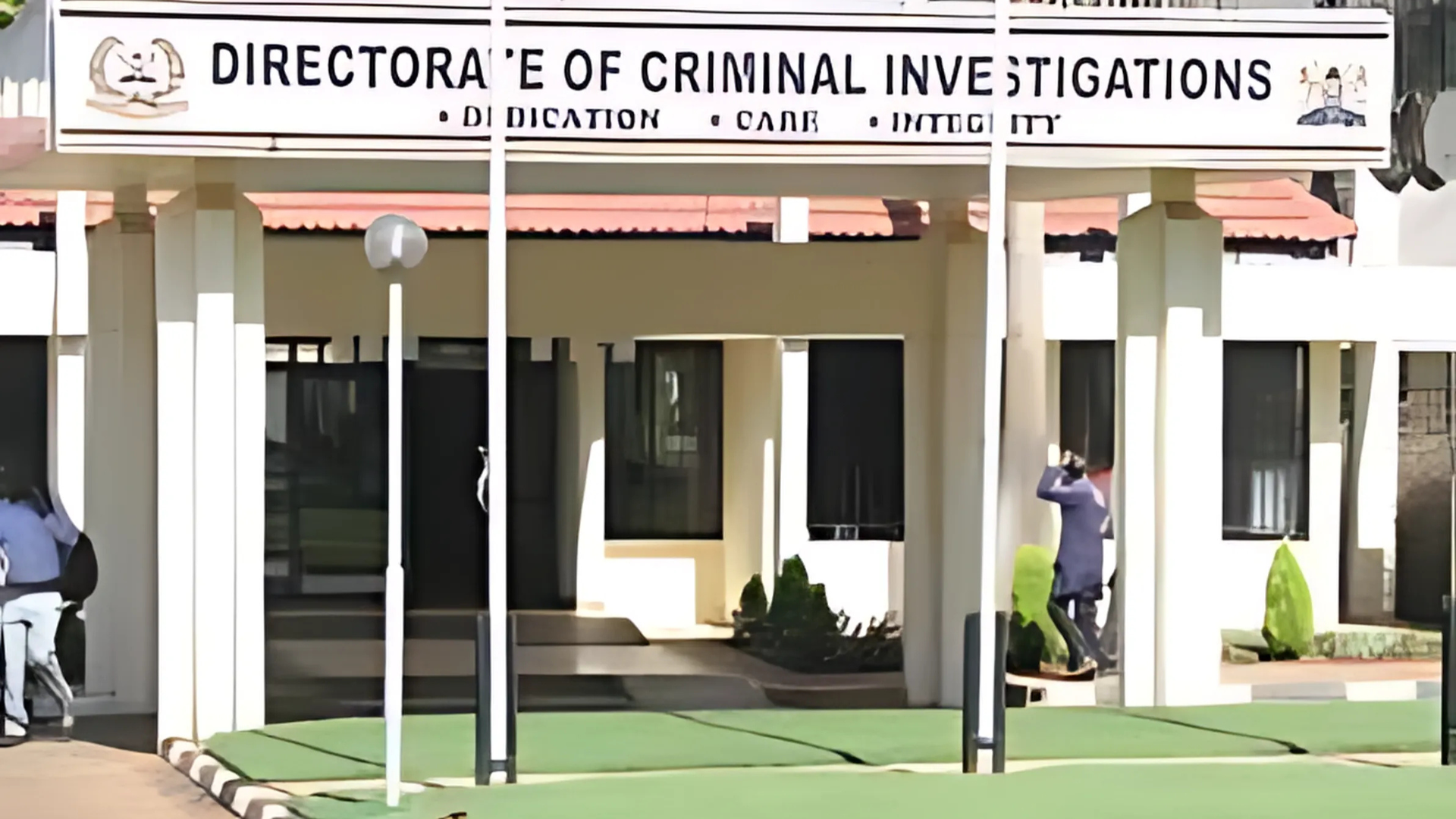
The Directorate of Criminal Investigations shook Makueni County by summoning two Members of the County Assembly, Urbanus Wambua and Francis Mutuku, along with County Executive Committee Member for Youth, Sports, and Social Services, Sebastian Kyoni, for questioning over their alleged roles in the violent protests that rocked Wote, Emali, Makindu, and Kibwezi on June 25, 2025. The protests, which left two young men, Garson Mutisya, 33, and Makau Mualuko, 23, dead from gunshot wounds, have sparked a contentious investigation into the conduct of local leaders during the unrest. The summons, issued by the DCI’s Wote office, have intensified scrutiny on the county’s political landscape, raising questions about accountability, protest management, and the delicate balance between public dissent and public safety in Kenya’s devolved governance system.
The June 25 protests, part of a broader wave of demonstrations across 27 counties, were initially sparked by public discontent over economic policies and rising living costs, with Makueni residents joining nationwide calls for government accountability. In Wote, Emali, Makindu, and Kibwezi, thousands took to the streets, chanting slogans and demanding reforms. However, the protests turned deadly when clashes erupted, resulting in the deaths of Mutisya and Mualuko in Emali Town. Autopsies conducted at Kilome MNH Hospital Mortuary confirmed both men died from gunshot wounds to the chest, with bullets exiting through their backs. “We lost our brothers to senseless violence,” said a community leader in Emali, speaking at a memorial vigil. “We demand justice, not just for them, but for our right to protest peacefully.”
The DCI’s decision to summon Wambua, Mutuku, and Kyoni stems from allegations that the trio incited or failed to control the crowds during the protests. Wambua, representing Kibwezi West, and Mutuku, from Nzaui/Kilili/Kalamba, are prominent Wiper Party members known for their vocal advocacy on local issues. Kyoni, a key figure in Governor Mutula Kilonzo Jr.’s administration, oversees youth and sports programs, making his involvement particularly sensitive given the protests’ significant youth participation. “The DCI is investigating whether these leaders played a role in escalating the situation,” said a senior officer at the Wote DCI offices, speaking on condition of anonymity. “We’re looking at their actions before and during the protests to establish responsibility.”
The summons have sparked a firestorm of reactions across Makueni. Supporters of the summoned leaders argue they were exercising their democratic rights by joining constituents in expressing grievances. “Urbanus and Francis were with the people, voicing our pain,” said a Wote resident, Jane Mwikali, who participated in the protests. “Targeting them feels like an attack on our freedom.” Others, however, believe the leaders’ presence may have fueled tensions. “Leaders should calm crowds, not inflame them,” said a shopkeeper in Makindu, whose business was looted during the chaos. Social media platforms like X have amplified these divides, with hashtags like #MakueniProtests and #SabaSaba2025 trending as users debate the DCI’s actions. “The government is trying to silence dissent,” one post read, while another countered, “Leaders must be accountable for chaos.”
The protests’ tragic outcome has reignited discussions about police conduct and the role of elected officials in public demonstrations. The Independent Policing Oversight Authority has called for a thorough investigation into the deaths, pressing the DCI to examine whether excessive force was used. “We’ve written to the DCI to ensure no stone is left unturned,” said an IPOA official during a June 30 briefing. The summons of the MCAs and Kyoni have added complexity, with some residents accusing the government of deflecting blame from security forces. “The police fired the bullets, but our leaders are being grilled,” said a youth organizer in Kibwezi. “This feels like a distraction.”
Makueni’s history of political activism and its strong Wiper Party base, led by Governor Kilonzo, make the summons politically charged. The county has been a hotspot for protests, including a 2023 demonstration in Mtito Andei over human-wildlife conflicts, where two other MCAs, Francis Mulwa and Bryan Nzoka, were briefly detained. That incident saw residents block the Nairobi-Mombasa highway, citing losses from elephants and other wildlife near Tsavo National Park. The current probe, however, carries higher stakes, given the fatalities and national attention on the June 25 protests. “Makueni is a vocal county,” said a political analyst in Nairobi. “Targeting its leaders could either quell unrest or ignite more resistance.”
Wambua and Mutuku appeared at the DCI offices in Wote on July 2, accompanied by their lawyers and a crowd of supporters. Kyoni, who was also summoned, arrived separately, emphasizing his cooperation with the investigation. “I’m here to clear my name,” Kyoni told reporters outside the DCI offices. “Our youth deserve leaders who stand with them, not ones who hide.” The MCAs echoed this sentiment, with Wambua insisting, “We were amplifying our people’s voices, not inciting violence. The truth will come out.” The questioning, which lasted several hours, focused on their activities during the protests, including speeches made and interactions with demonstrators. The DCI has yet to release findings, but sources indicate the investigation may expand to other local leaders.
The protests’ economic impact has been significant, with traders in Wote and Emali reporting losses from looting and vandalism. “My shop was broken into, and I lost goods worth over KES 200,000,” said a trader in Emali. “We support the protests, but the chaos hurt us.” The government has estimated that 27 national and county vehicles were destroyed across Kenya during the June 25 protests, with Makueni among the affected counties. These losses have fueled calls for accountability, with some residents urging the DCI to focus on identifying looters rather than targeting elected officials. “The real criminals are still out there,” said a Kibwezi resident, pointing to unarrested individuals captured on video during the unrest.
The summons have also highlighted tensions within Makueni’s County Assembly, which has faced internal strife over leadership and allowances. In June 2024, a faction of Wiper MCAs ousted Majority Leader Kyalo Mumo, citing unfair distribution of allowances, a move that exposed divisions within the assembly. “The assembly is already fractured,” said a nominated MCA, speaking anonymously. “These summons could deepen mistrust among members.” Governor Kilonzo has called for calm, urging residents to await the investigation’s outcome. “We must respect the rule of law,” he said during a July 2 address in Wote. “But we also stand for justice and the right to protest.”
The DCI’s probe coincides with broader national efforts to address protest-related violence. The Milimani High Court is set to provide directions on July 8, 2025, in a related case involving the disappearance of Kinoo activist Ndiangui Kinyagia, highlighting the government’s focus on protest organizers. In Makueni, the investigation has drawn parallels to past incidents, such as the 2018 EACC summons of five MCAs over alleged interference in a school principal’s transfer. “Makueni’s leaders are no strangers to scrutiny,” said the analyst. “But this case feels different because lives were lost.”
Civil society groups have weighed in, with the Police Reforms Working Group demanding transparency in the DCI’s investigation. “The right to protest is constitutional,” said a spokesperson for the group. “Blaming leaders without evidence risks criminalizing dissent.” The group has called for the release of any detained activists and an end to intimidation, citing the arrests of three activists in Nairobi on June 28 as a worrying trend. In Makueni, community leaders are planning a memorial for Mutisya and Mualuko, hoping to channel grief into advocacy for better protest management.
As the investigation unfolds, Makueni remains on edge. The county’s youth, a driving force behind the protests, are watching closely, with many expressing solidarity with the summoned leaders. “These are our voices in the assembly,” said a student in Makindu. “If they’re silenced, who speaks for us?” Others, however, call for restraint, urging leaders to prioritize dialogue over confrontation. “We want change, but not at the cost of more lives,” said an elder in Emali. The DCI’s findings, expected in the coming weeks, will likely shape Makueni’s political future, testing the balance between accountability and the right to dissent in a county known for its fierce independence.