A firm stance on healthcare accessibility emerged this afternoon, Wednesday, August 13, 2025, as Health Cabinet Secretary Aden Duale issued a stern warning that any public health facility charging for outpatient services in defiance of President William Ruto’s directive will be treated as a crime scene. The declaration, made at 3:53 PM East Africa Time during a press conference at Afya House in Nairobi, follows Ruto’s recent order that all outpatient services at public health facilities, spanning dispensaries to sub-county hospitals (Levels 1 to 4), must be provided free of charge. The move aims to alleviate financial burdens on citizens amid rising living costs, but it has sparked a mix of relief and apprehension among healthcare providers and patients. "We will not tolerate any facility undermining this directive; it’s a matter of public trust," Duale said, addressing a room of reporters and health officials. The announcement has ignited discussions across the nation, blending hope for improved access with concerns over implementation.
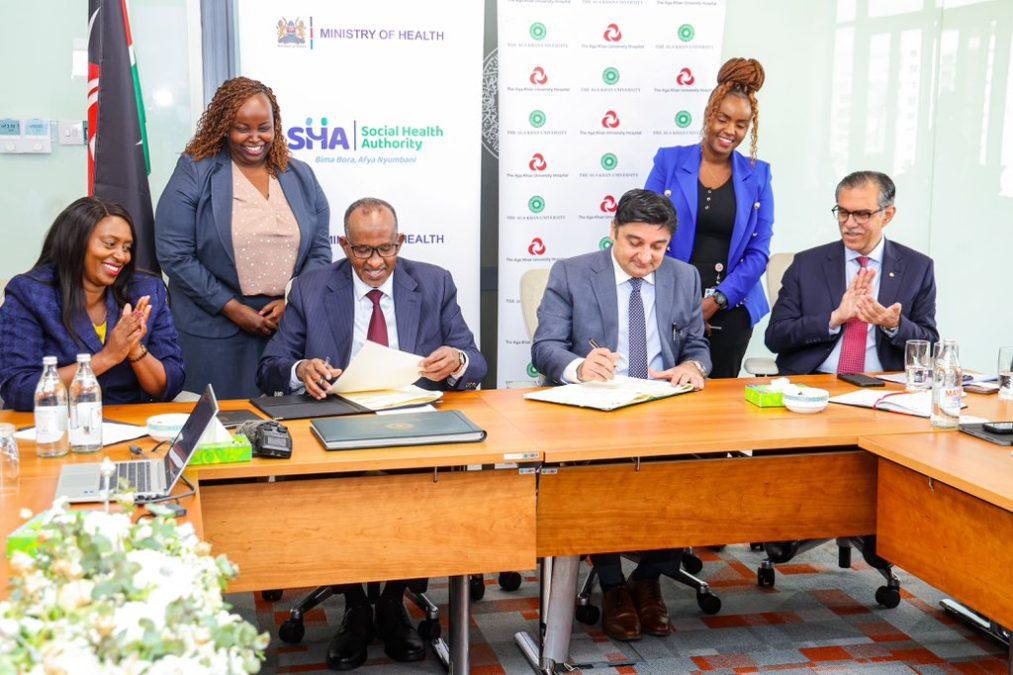
President Ruto’s directive, issued last week, seeks to fulfill a campaign promise to enhance universal healthcare, targeting the 70% of Kenyans who rely on public facilities. The order covers consultations, basic diagnostics, and medications at Levels 1 to 4, which include dispensaries, health centers, and sub-county hospitals. Duale’s warning underscores the government’s commitment, with plans to deploy compliance teams to monitor facilities nationwide. A patient in Kisumu, waiting outside a dispensary with a sick child, remarked, "This is good news if they stop the Sh200 fees we pay." The policy shift comes amid a Sh10 trillion national debt and 5.5% inflation, raising questions about funding, but officials insist reallocations from existing budgets will suffice.
Public response has been a blend of gratitude and skepticism. In Mombasa, a fisherman mending nets caught the update on a community radio and said, "Free care will help my family, but will drugs be available?" The directive aims to eliminate out-of-pocket expenses that often push households into poverty, with an estimated 30% of Kenyans skipping treatment due to costs. Duale outlined that non-compliant facilities will face immediate closure and legal action, treating unauthorized charges as economic exploitation. A youth leader in Naivasha, organizing a health awareness session, added, "This could save lives if enforced properly." The policy’s success hinges on resource availability.
The afternoon’s announcement drew diverse reactions. In Thika, a mother preparing lunch for her children said, "I hope my local clinic follows; last time it cost Sh500." In Baringo, a herder tending cattle noted, "Free care is a relief, but staff might resist." The compliance teams, comprising Ministry of Health officials and county inspectors, will begin unannounced visits next week, armed with authority to seize evidence of fee collection. A driver in Garissa, fueling his matatu, remarked, "Treating clinics as crime scenes is serious; they’ll listen now." The directive covers over 5,000 public facilities, a massive network requiring coordination.
As the day progressed, the story reached remote areas. In Marsabit, a community elder listening to a radio update said, "Our dispensary charges; this could change things." In Mombasa’s markets, a vendor sorting fish asked, "Will they punish rural clinics too?" The policy builds on the National Hospital Insurance Fund’s framework, with plans to integrate free outpatient care into its coverage. Duale emphasized that funding will draw from a Sh20 billion health budget increase, though details remain pending. A shopkeeper in Homa Bay, preparing for the Devolution Conference, noted, "This will ease pressure on families if it works." The enforcement signals a policy shift.
The afternoon brought a reflective mood to offices and homes. In Eldoret, a nurse preparing patient records said, "We need supplies to make this viable." In Kisumu, a father checking on his family added, "Free care is great, but corruption could spoil it." The Ministry plans to install digital payment trackers at facilities to detect unauthorized charges, with data shared publicly. The directive excludes private hospitals, focusing on public access points. A community organizer in Turkana, planning a radio talk, remarked, "We need to see action, not just words." The policy tests healthcare governance.
Experts see potential and challenges. In Nairobi, a health policy analyst discussing over tea said, "This could transform access if funded well." The Sh20 billion boost aims to cover staff salaries and drug stocks, critical for sustainability. A vendor in Timau, closing his stall, said, "Let’s hope clinics don’t close instead." Duale’s crime scene analogy suggests severe penalties, including arrests for persistent violators. A mother in Nyahururu, walking home with her children, added, "This could help my neighbor who can’t afford treatment." The directive marks a health policy milestone.
The evening saw continued engagement across the country. In Nakuru, a group at a market debated the news. "Will they have enough medicine?" one trader asked, sorting vegetables. In Nairobi’s cyber cafes, a student scrolling through updates noted, "People are hopeful but cautious online." The Ministry plans public forums to explain the rollout, inviting feedback. A youth leader in Kitale, organizing an event, reflected, "This is a chance to fix our health system." As implementation begins, the directive’s impact will unfold.