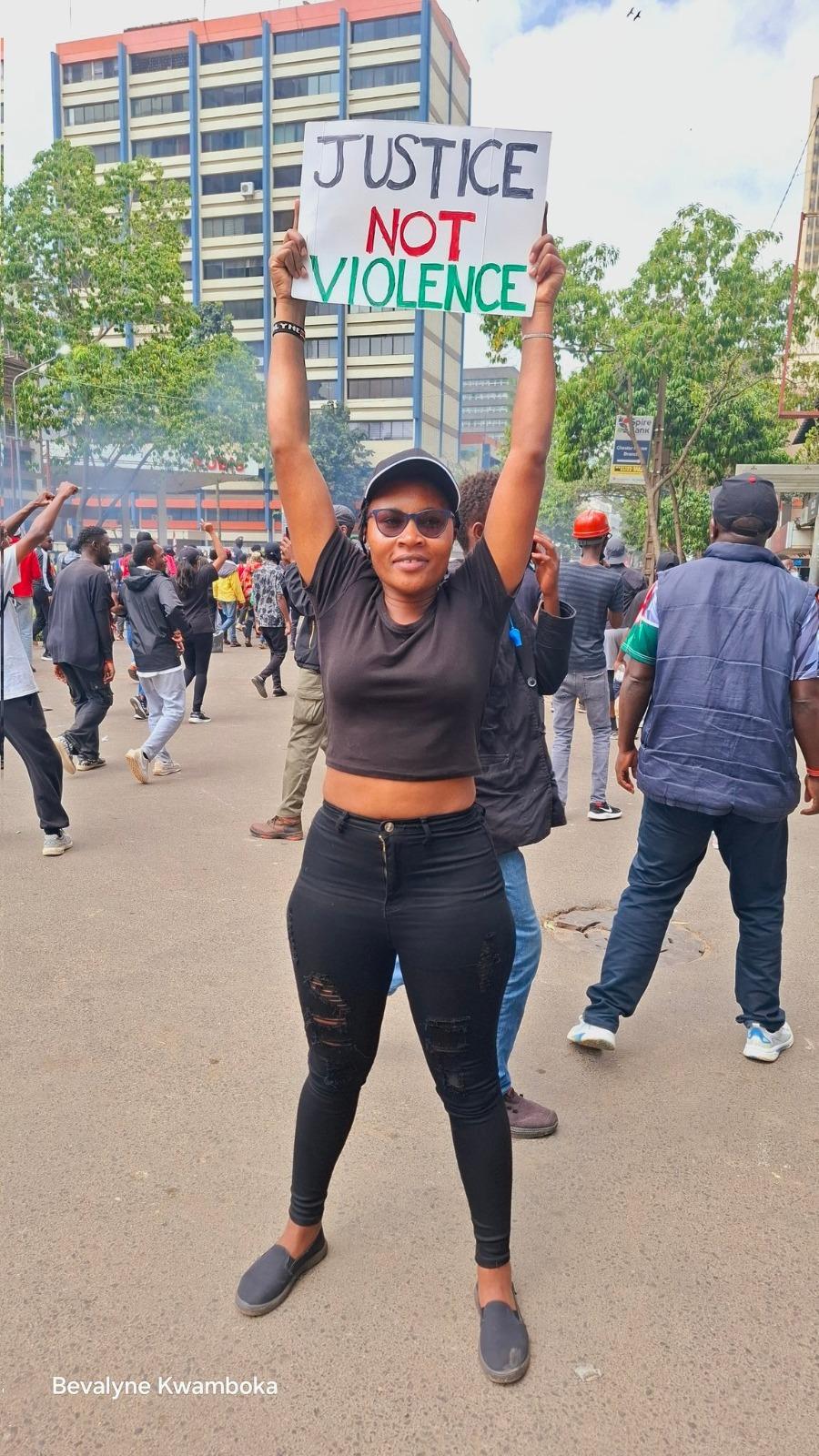
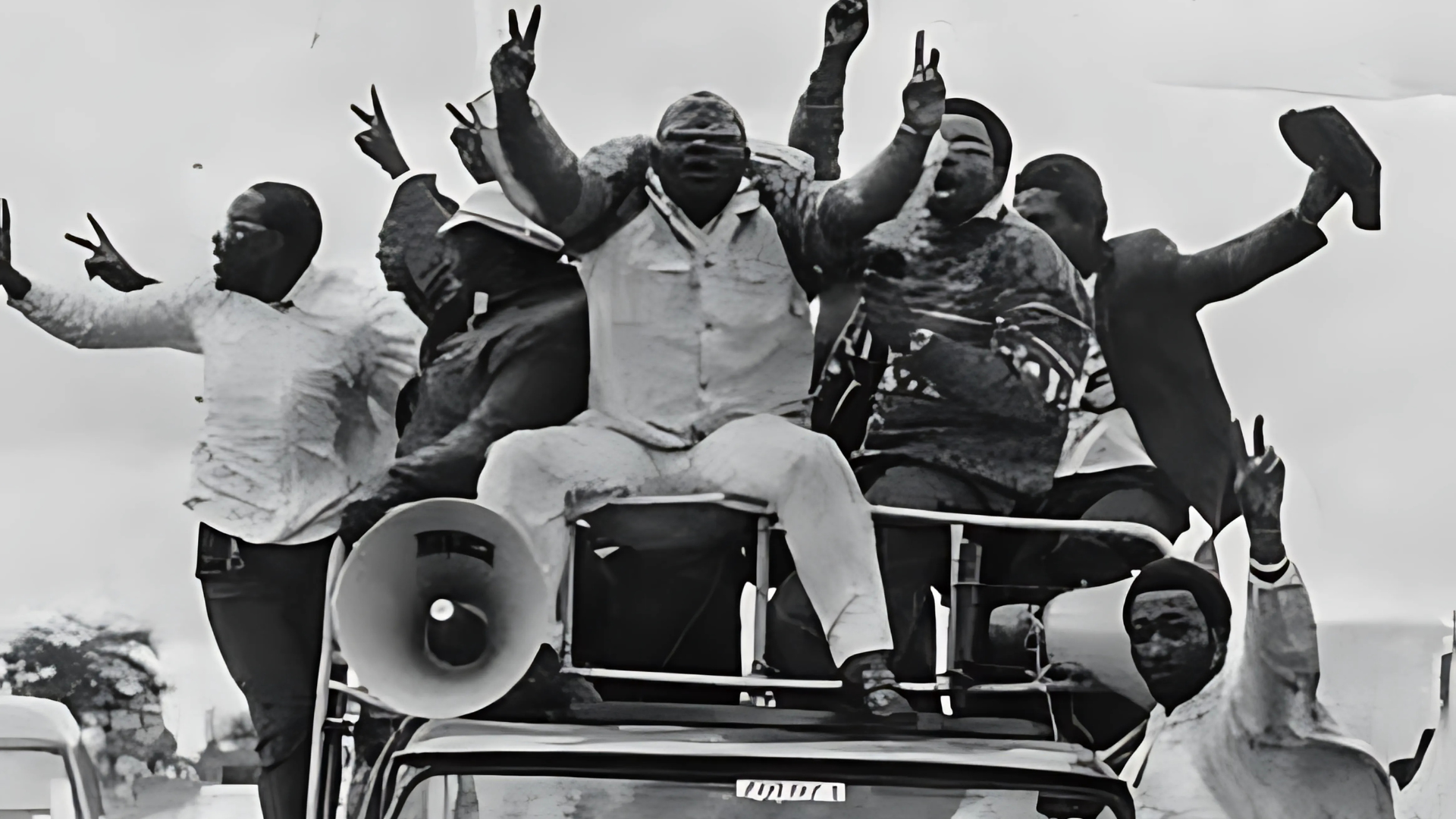
Kenya witnessed a powerful resurgence of the historic Saba Saba protests, as thousands of young people, predominantly from Generation Z, took to the streets in Nairobi, Mombasa, Kisumu, and other major towns, demanding sweeping political and economic reforms. The demonstrations, marking the 35th anniversary of the 1990 Saba Saba movement that pushed for multiparty democracy, were driven by a new generation of activists frustrated with rising unemployment, high taxation, and perceived government impunity. The protests, characterized by their decentralized nature and heavy reliance on social media platforms like X for mobilization, have rekindled a spirit of defiance, posing a significant challenge to President William Ruto’s administration as it grapples with growing public discontent.
The Saba Saba protests, historically a symbol of resistance against authoritarianism, were reborn in 2025 with a distinctly youthful energy. Young Kenyans, aged 18 to 28, organized under hashtags like #SabaSaba2025 and #GenZFightsBack, called for an end to corruption, police brutality, and economic policies they argue favor the elite. “We’re tired of a government that doesn’t listen,” said Amina Mude, a 23-year-old university student in Nairobi, holding a placard reading “No More Empty Promises.” “This is our Saba Saba, and we’re fighting for our future.” The protests, which began peacefully at dawn, saw sporadic clashes with police in Nairobi’s Central Business District, where teargas and water cannons were deployed to disperse crowds.
The demonstrations were sparked by a confluence of grievances, including the recent Sh12 billion cut to the National Government-Constituency Development Fund (NG-CDF), which has threatened bursaries and community projects, and the closure of 31 private hospitals for defrauding the Social Health Authority (SHA). These issues, combined with the lingering effects of the 2024 Finance Bill protests, have fueled anger among young Kenyans, who see the government as out of touch. “The NG-CDF cut means I might not finish school,” said Brian Otieno, a protester in Kisumu. “We’re on the streets because we have no other way to make them hear us.” The protests also drew inspiration from the 2024 demonstrations, which saw parliament stormed on June 25, resulting in at least 16 deaths and over 400 injuries.
Unlike the original Saba Saba protests, which were led by political figures like Kenneth Matiba and Charles Rubia, the 2025 iteration is notably leaderless, relying on grassroots coordination. Social media has been a critical tool, with platforms like X amplifying calls for action and sharing real-time updates. “This is a movement of the people, not politicians,” said Mercy Wanjiku, a 26-year-old activist who helped organize the Nairobi protests. “We’ve seen how politicians use us, then abandon us. Gen Z is doing this for ourselves.” Posts on X highlighted demands for the resignation of key government officials, including Treasury Cabinet Secretary John Mbadi, and an end to extrajudicial killings, with one user writing, “Saba Saba is back, and Gen Z won’t stop until Kenya changes.”
The protests saw significant turnout in urban centers, with an estimated 10,000 participants in Nairobi alone. In Mombasa, demonstrators marched along Moi Avenue, chanting slogans like “Ruto Must Go” and demanding accountability for abductions linked to the 2024 protests. Kisumu’s Oginga Odinga Street was filled with young people waving Kenyan flags and singing solidarity songs, while smaller protests emerged in Eldoret, Nakuru, and Nyeri. The decentralized nature of the movement made it difficult for authorities to contain, as pop-up demonstrations appeared in unexpected locations. “We’re not just in one place,” said Wanjiku. “We’re everywhere, and that’s our strength.”
The government’s response has been a mix of restraint and force. Interior Cabinet Secretary Kipchumba Murkomen condemned the protests as disruptive but urged police to exercise restraint. “We respect the right to protest, but it must be within the law,” Murkomen said at a press conference. “We’re open to dialogue, but chaos will not be tolerated.” However, reports of teargas and arrests in Nairobi and Kisumu drew criticism from human rights groups, who accused the government of repeating the heavy-handed tactics of 2024. “The use of force against peaceful protesters is unacceptable,” said Ann Wanjiru, director of the Kenya Human Rights Network. “The government must address the root causes of this unrest, not suppress it.”
President Ruto, who was in Spain on June 29 securing the European Bank for Reconstruction and Development’s African headquarters for Nairobi, has yet to directly address the protests. His absence during the initial demonstrations drew sharp criticism from protesters, who accused him of prioritizing foreign trips over domestic crises. “While we’re fighting for our lives, Ruto is shaking hands abroad,” said Otieno. “He needs to come home and face us.” Ruto’s administration has faced mounting pressure since the 2024 protests, with his alliance with ODM leader Raila Odinga failing to quell public anger. Odinga, who joined the government in July 2024, remained silent on the Saba Saba resurgence, fueling speculation about tensions within the coalition.
The protests have also highlighted the economic struggles driving Gen Z’s activism. With youth unemployment at 19 percent and living costs soaring, many young Kenyans feel excluded from the economic gains promised by Ruto’s Bottom-Up Economic Transformation Agenda. The recent NG-CDF cut, announced on June 30, has exacerbated these concerns, threatening education and health programs that many rely on. “We’re taxed to death, but we see no jobs, no opportunities,” said Kevin Mwangi, a 21-year-old protester in Nakuru. “Saba Saba is our way of saying enough is enough.” The demonstrations also called for reforms to the SHA, with protesters citing the hospital closures as evidence of systemic failures in healthcare financing.
Civil society groups and opposition leaders have expressed solidarity with the protesters, though some cautioned against escalating tensions. “The youth are speaking truth to power,” said Wiper Party leader Kalonzo Musyoka, who was recently accused by Ruto of sponsoring the 2024 protests. “But we must channel this energy into constructive dialogue to avoid violence.” Musyoka’s comments reflect a broader concern about the potential for unrest to spiral, given the violent clashes of 2024. The Law Society of Kenya urged the government to establish a formal dialogue with protesters, warning that ignoring their demands could deepen the crisis. “Gen Z represents a generation that feels betrayed,” said President Faith Odhiambo. “Their voices must be heard.”
The international community has also taken notice, with several embassies issuing statements calling for restraint. A joint statement from 10 Western nations expressed concern over the use of force and urged both sides to pursue dialogue. “Kenya’s democracy is a beacon in the region,” said a diplomat in Nairobi, speaking anonymously. “The government must address these grievances to maintain stability.” The protests’ timing, coinciding with Kenya’s growing diplomatic profile, including the EBRD deal, adds pressure on Ruto to manage the situation carefully to avoid tarnishing the country’s image.
The resurgence of Saba Saba has also sparked a broader conversation about the role of youth in Kenya’s future. Unlike past movements, which were often tied to political parties, Gen Z’s protests are driven by a desire for systemic change beyond partisan politics. “We’re not here for any politician,” said Wanjiku. “We’re here for a Kenya that works for everyone, not just the connected few.” The movement’s leaderless structure has made it resilient but also challenging to negotiate with, as the government struggles to identify representatives for dialogue.
As night fell on July 7, protests continued in some areas, with candlelight vigils held to honor those killed in the 2024 demonstrations. In Nairobi’s Uhuru Park, hundreds gathered to sing freedom songs, their voices echoing the spirit of the original Saba Saba movement. “This is our time,” said Mwangi, holding a candle. “We’re not backing down until we see real change.” The protests show no signs of abating, with organizers planning further demonstrations in the coming weeks, including a march to State House.
The government faces a critical test in responding to the Gen Z-led movement. Analysts suggest that addressing the protesters’ demands, such as reversing the NG-CDF cut and investigating abductions, could de-escalate tensions. “The government must show it’s listening,” said political analyst Herman Manyora. “Ignoring Gen Z will only make them louder.” For now, the streets of Kenya remain alive with the voices of a generation determined to reshape their country’s future, drawing on the legacy of Saba Saba to demand a more just and equitable nation.