The Senate of Kenya convened a special plenary session in Nairobi’s Parliament Buildings, casting a spotlight on Isiolo Governor Abdi Ibrahim Hassan Guyo, whose political fate hangs in the balance. The embattled governor, impeached by 16 of 18 Members of the County Assembly on June 26, 2025, faces charges of gross misconduct, abuse of office, and constitutional violations. The high-stakes trial, set to run through July 9, unfolds against a backdrop of legal disputes, clan rivalries, and regional power struggles, drawing national attention to Isiolo’s turbulent political landscape. Despite a High Court ruling declaring the impeachment null and void, the Senate’s decision to proceed has sparked accusations of defiance and political maneuvering, with implications for devolution and governance in Kenya.
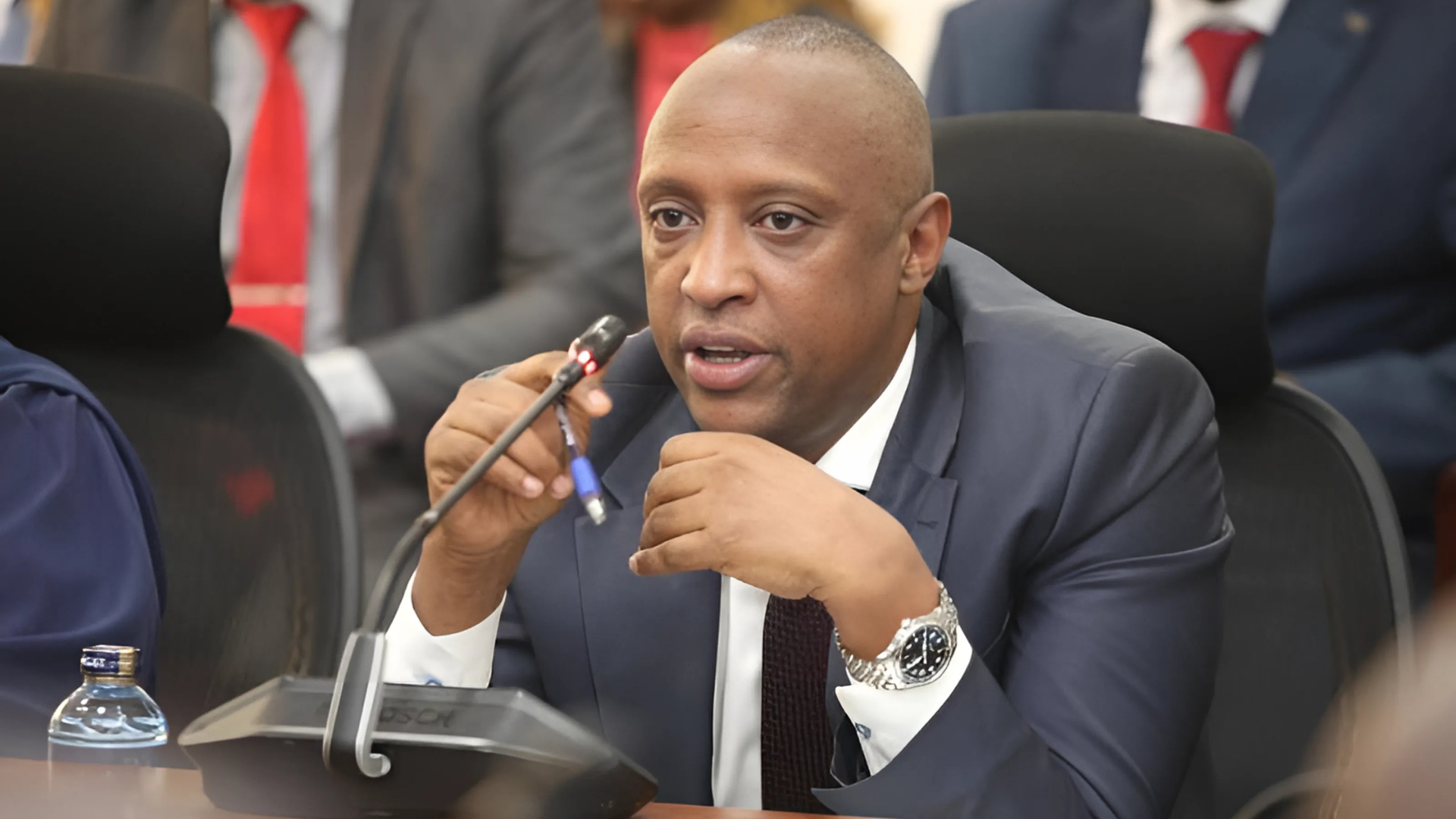
The impeachment motion, tabled by Sericho MCA Abubakar Godana, accuses Guyo of failing to deliver the annual State of the County Address for three years, a violation of Section 30(2)(k) of the County Governments Act. The Assembly further alleges that Guyo inflated the county’s executive by hiring 36 advisors and 31 chief officers, despite Isiolo having only six departments, pushing the wage bill to 46 percent of annual revenue, above the legal 35 percent ceiling. “The governor’s actions have crippled service delivery,” Godana said during the Assembly’s session, citing irregular appointments and opaque contract renewals. Additional charges include sexist remarks against Isiolo Senator Fatuma Dullo, deemed psychological gender-based violence, and running county affairs from Nairobi, which the Assembly claims has stalled development projects.
Guyo’s defense, led by former Law Society of Kenya President Eric Theuri, argues that the impeachment process was marred by procedural flaws and political vendettas. “The County Assembly defied a court order to push this motion,” Theuri told reporters outside Parliament. “We will raise preliminary objections to halt these proceedings.” The Meru High Court, in a June 27 ruling by Justice Heston Nyaga, upheld a conservatory order barring the Assembly from acting on the impeachment motion dated June 10, 2025. The court found Speaker Mohamed Roba in contempt, ordering him to appear personally on June 30. “Any act in defiance of this order is null and void,” Nyaga ruled, yet the Senate’s decision to proceed has raised questions about the rule of law. “The Senate must respect judicial authority,” said a Nairobi-based constitutional lawyer, warning of a dangerous precedent.
The Senate’s plenary, chaired by Speaker Amason Kingi, opted for a full hearing after a motion to form an 11-member special committee collapsed. Senate Majority Whip Boni Khalwale had proposed the committee, but Minority Leader Stewart Madzayo’s opposition led to its rejection. “This matter demands transparency,” Madzayo said, advocating for a plenary to ensure all 47 senators weigh in publicly. Kingi directed Guyo and the County Assembly to submit responses by July 4, with the Clerk circulating documents to senators by July 7. “The Senate will hear both sides fairly,” Kingi assured, though Guyo’s absence from prior committee summonses has strained his relationship with the House. In October 2024, Kingi ordered the Inspector General of Police to arrest Guyo for snubbing Senate invitations, a directive that went unheeded.
The charges against Guyo are rooted in long-standing tensions. His failure to deliver the State of the County Address has drawn ire for undermining accountability, while his hiring practices are accused of violating Articles 201(d) and (e) of the Constitution, which demand prudent use of public resources. The Assembly also alleges that Guyo created advisor positions without County Public Service Board approval, fostering a climate of fear among chief officers with short-term contracts. “Isiolo’s wage bill is unsustainable,” said a local business leader, Mwenda Thuranira, who has publicly criticized Guyo’s leadership. Thuranira pointed to a tender awarded at KSh 36 million above the lowest bid, flagged by the Auditor-General for irregularities. “This is not leadership; it’s mismanagement,” he said.
The accusation of sexist remarks against Senator Dullo, made during Madaraka Day celebrations in Oldonyiro on June 1, 2025, has further galvanized opposition. Senate Majority Leader Aaron Cheruiyot condemned the comments as “terribly embarrassing,” while Kitui Senator Enoch Wambua called them an attack on all senators. Dullo, a prominent figure in Isiolo politics, has clashed with Guyo over regional influence, with some speculating she eyes the governorship in 2027. “The governor’s remarks were a violation of the Leadership and Integrity Act,” said Nominated Senator Hezena Lemaletian, highlighting their impact on public trust. The Assembly also accuses Guyo of divisive clan rhetoric, deepening ethnic tensions in a region where clan politics shape power dynamics.
Isiolo’s political turmoil is compounded by a chaotic Assembly environment. On June 26, the impeachment vote was marked by violent protests, with rival groups clashing outside the chambers. Papers strewn across the compound and vandalized Hansard equipment underscored the disorder. The suspension of Assembly Clerk Salad Boru Guracha, accused of opposing the impeachment, added to the drama. Guracha, reinstated by the Employment and Labour Relations Court on July 2, claimed his suspension was a ploy to facilitate an “irregular plan” against Guyo. “I refused to be complicit,” Guracha said, alleging political pressure from Speaker Roba. The court’s ruling, by Justice Onesmus Makau, barred Roba from denying Guracha access to his office, further complicating the impeachment process.
Public sentiment, as seen on X, reflects deep division. “Guyo’s impeachment is long overdue,” posted a user from Isiolo, citing stalled water and road projects. Another user countered, “This is a witch-hunt to settle political scores.” The hashtag #IsioloShowdown trended, with videos of the chaotic Assembly session circulating widely. Some residents accused external forces, including a Cabinet Secretary, of meddling to protect Guyo, a claim echoed by lawyer Ekuru Aukot. “The national government’s interference is blatant,” Aukot said, though he provided no evidence. Guyo, a former Nairobi MCA who rose to become Kenya’s first MCA-turned-governor, has aligned with President William Ruto’s Kenya Kwanza administration, boosting his regional clout but alienating some local leaders.
The Senate trial is a pivotal moment for devolution. Isiolo, one of Kenya’s smallest counties by revenue allocation, faces scrutiny over its governance. Guyo’s defenders highlight his development initiatives, including the Isiolo Aggregation and Industrial Park, launched by Ruto in February 2025. “The governor has brought progress,” said a supporter in Garbatulla. “This impeachment is about clan politics, not accountability.” Critics, however, point to stalled projects and a KSh 30 million bursary fund discrepancy, as alleged in the impeachment motion. The Senate’s decision could reshape Northern Kenya’s political landscape, where Guyo’s rise has disrupted traditional power structures.
The legal battle adds complexity. Guyo’s team argues that the Assembly’s defiance of the court order invalidates the impeachment, while the Senate insists it has constitutional authority to proceed. “The Senate is not a court of law,” said Theuri, urging senators to respect the judiciary. The outcome hinges on whether senators uphold any single charge, requiring a majority vote. Past impeachments, like those of Nairobi’s Mike Sonko and Kiambu’s Ferdinand Waititu, suggest a high bar for conviction, but Guyo’s strained Senate relations may tilt the scales. “He’s burned bridges with senators,” said a political analyst. “That could cost him.”
As the plenary unfolds, Isiolo residents await clarity. The trial, broadcast live, has drawn national attention, with civil society urging restraint. “The Senate must balance justice with political realities,” said a Nairobi-based governance expert. For Guyo, the stakes are personal and political, as a conviction could end his governorship and reshape his 2027 ambitions. For Kenya, the showdown tests the resilience of devolution and the rule of law in a nation grappling with governance challenges amid economic strain.