By Brenda Wereh24 Jun, 202530 mins read 2,557 views
0 comments 0 likes
A detailed exploration of the mounting tensions in Kenya as the nation prepares for the first anniversary of the 2024 Gen Z-led protests, with youth vowing to honor fallen demonstrators and demand justice.
As Kenya approaches the first anniversary of the transformative Gen Z-led protests on June 25, 2025, the nation is gripped by a mix of anticipation and unease. The protests, initially sparked by the controversial Finance Bill 2024, reshaped Kenya’s political landscape, forcing President William Ruto to withdraw the bill and dissolve his cabinet. Now, with youth groups and opposition leaders planning memorial demonstrations to honor the over 60 lives lost in last year’s clashes, the country is on edge. The recent death of blogger Albert Ojwang in police custody has reignited public anger, fueling calls for justice and police reform. As Nairobi and other cities brace for Wednesday’s protests, the government’s promise of enhanced security and appeals for peace are met with skepticism from a generation determined to hold power accountable.
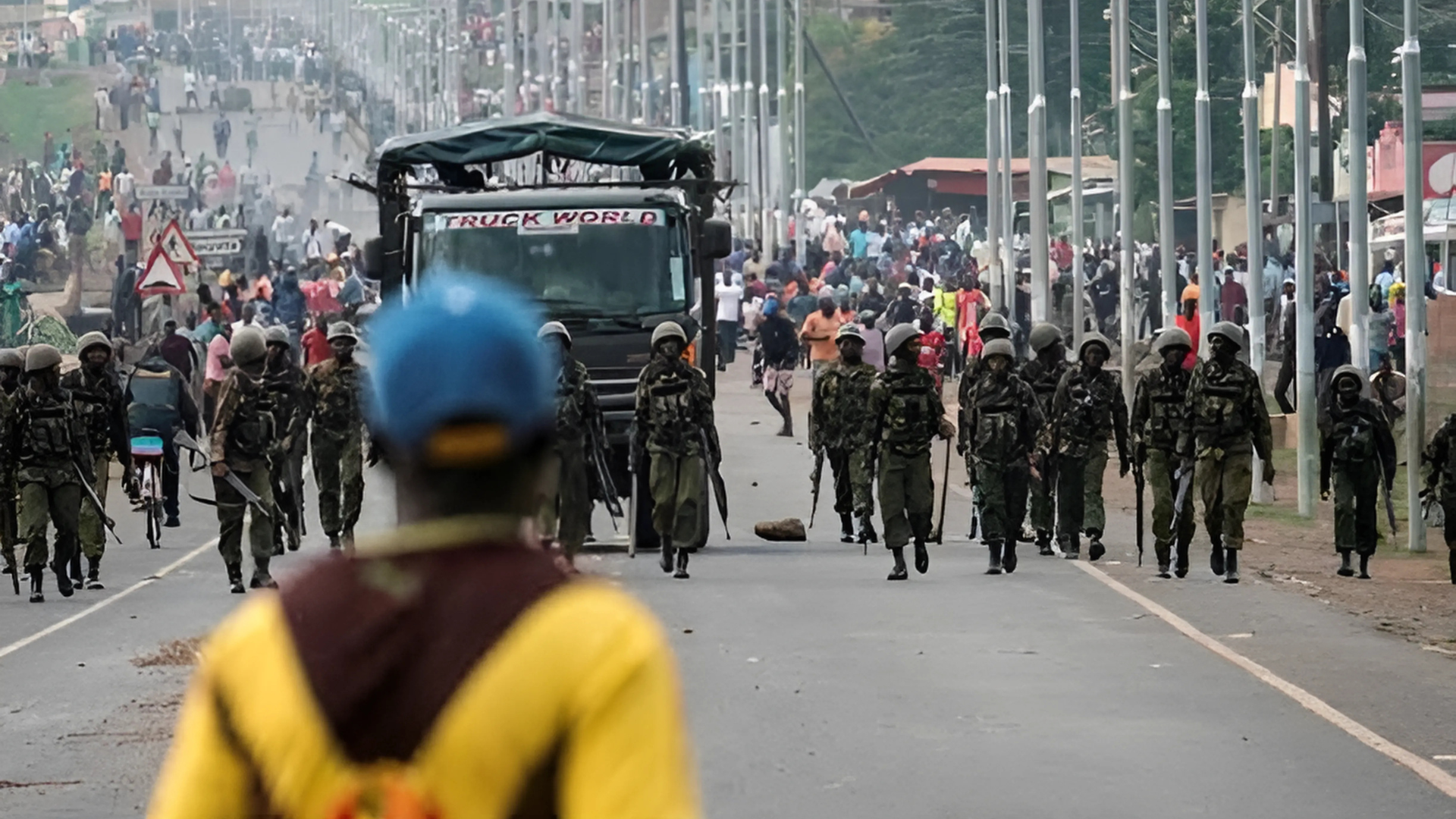
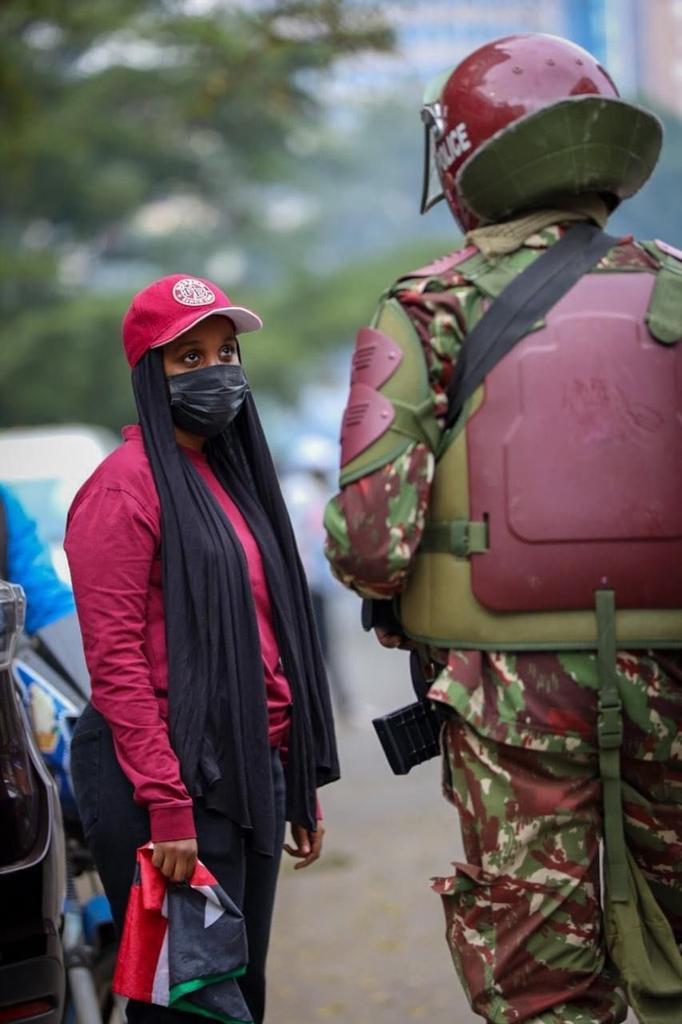
The 2024 protests marked a turning point in Kenya’s history, driven by a tech-savvy, leaderless movement of young Kenyans united under hashtags like #RejectFinanceBill2024 and #OccupyParliament. Unlike previous demonstrations led by political or ethnic factions, these protests transcended tribal lines, focusing on economic hardship, corruption, and governance failures. “We were tired of being taxed into poverty while leaders flaunted wealth,” said Hanifa Adan, a 28-year-old activist who emerged as a prominent voice during the 2024 movement. “Our generation showed Kenya that change is possible when we unite.” The protests culminated in the unprecedented storming of Parliament on June 25, 2024, a day that saw both triumph and tragedy as demonstrators breached the heavily guarded institution, only to face a violent police response that left dozens dead and hundreds injured.
This year’s anniversary protests, planned for June 25, 2025, aim to commemorate those who paid the ultimate price while renewing demands for accountability. Youth groups have organized memorial marches across Nairobi, Mombasa, Kisumu, and Eldoret, with events ranging from candlelit vigils to street demonstrations. “We’re not just remembering our friends who died; we’re demanding justice for them,” said Kelvin Oluoch, a 23-year-old student and protest organizer in Nairobi. The Kenya National Commission on Human Rights reported that at least 60 people were killed and 82 forcibly disappeared during the 2024 protests, with 159 cases of extrajudicial killings and abductions recorded throughout the year. These figures have galvanized activists, who see the anniversary as a chance to confront ongoing police brutality.
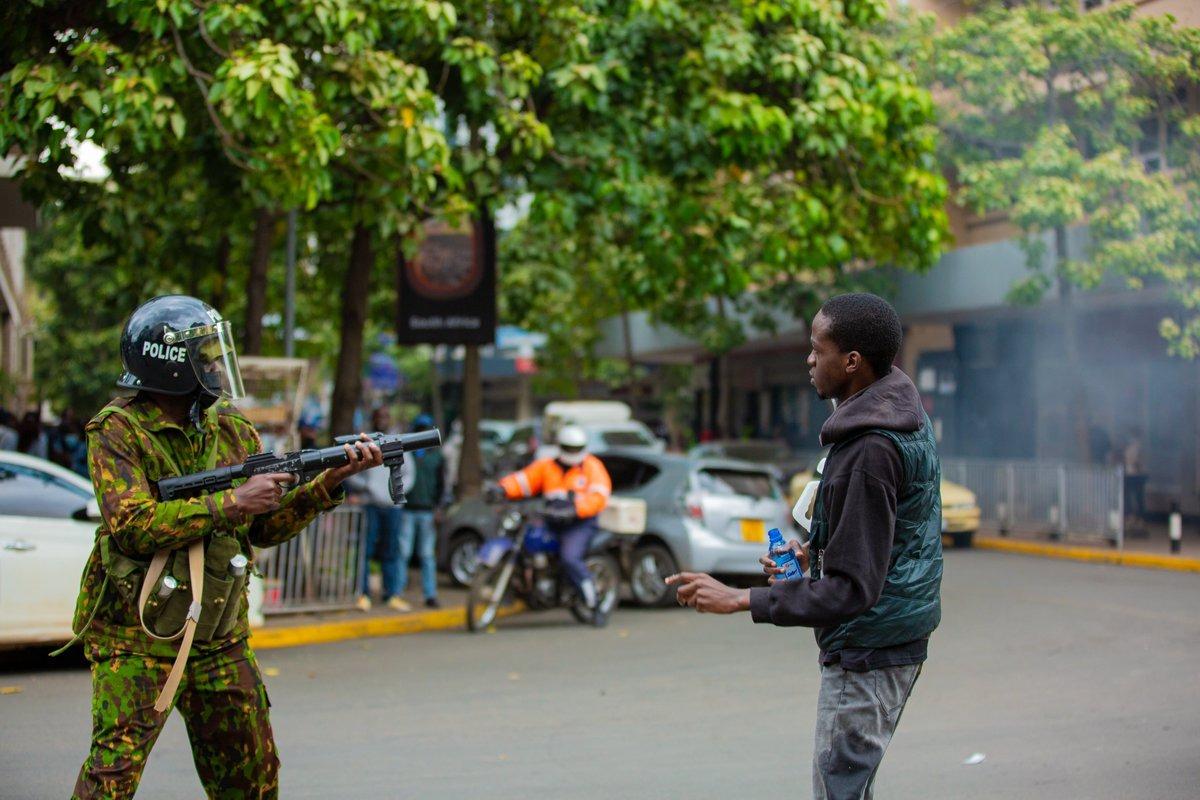
The death of Albert Ojwang, a 31-year-old teacher and blogger, has cast a long shadow over the anniversary preparations. Arrested on June 7, 2025, in Homa Bay for allegedly posting defamatory content about a senior police officer, Ojwang was transported 350 kilometers to Nairobi’s Central Police Station, where he died hours later. Police initially claimed he committed suicide by banging his head against a cell wall, but a postmortem revealed he was beaten to death. “My brother was murdered for speaking out,” said Ojwang’s sister, Mercy Achieng, at a vigil in Nairobi. “We will march until those responsible are held accountable.” Protests following Ojwang’s death have already turned violent, with clashes in Nairobi on June 17 injuring 11 people, including a bystander shot by police.
The government’s response to the planned protests has been cautious but firm. Nairobi Regional Police Commander George Seda assured the public that security measures are in place to protect demonstrators and prevent chaos. “We will ensure safety for everyone, whether they’re protesting or not,” Seda said during a press briefing. However, reports of a state-orchestrated plan to infiltrate protests with hired “goons” have raised alarms. “They want to sabotage our peaceful march,” said Adan, citing incidents where armed men on motorbikes attacked protesters earlier this month. “We’ve seen this before, but we won’t be intimidated.” President Ruto, who faced international criticism for deploying the military during the 2024 protests, has adopted a more conciliatory tone this year. Speaking at the National Prayer Breakfast in May, he apologized for “any missteps” and promised job creation programs to address youth grievances.
Opposition leaders have seized on the anniversary to amplify their criticism of the government. Wiper Party leader Kalonzo Musyoka, speaking at a memorial service at All Saints’ Cathedral on June 22, declared solidarity with the youth. “June 25 is a day to celebrate the courage of our young people,” he said. “We stand with them in demanding a Kenya where no one is killed for speaking out.” The service, attended by hundreds of Gen Z activists, faith leaders, and families of victims, was a poignant reminder of the human cost of last year’s protests. Caroline, a mother who lost her son Erick during the Parliament storming, shared her grief: “I bought him blue shoes that morning. He never came home.” Faith leaders like Rev. Linda Achola urged the government to honor the constitutional right to protest, warning against further bloodshed.
The protests’ significance extends beyond Kenya, drawing attention from international observers. The European Union and United States have called for transparent investigations into abductions and killings, while Amnesty International has demanded a UN fact-finding mission. “Kenya’s youth have shown the world what digital activism can achieve,” said Victor Ndede of Amnesty Kenya. “But the price they’ve paid is too high.” The 2024 protests, organized largely on platforms like TikTok, X, and Instagram, demonstrated the power of social media to mobilize and educate. Young activists translated the Finance Bill into local languages, crowdfunded transport for protesters, and even hacked government websites to highlight their cause. This digital prowess has continued into 2025, with hashtags like #GenZRevolt trending ahead of the anniversary.
However, the movement faces internal challenges. Divisions have emerged, with some activists like Kasmuel McOure aligning with veteran opposition leader Raila Odinga, who recently forged a controversial pact with Ruto’s government. “We can’t let politicians hijack our struggle,” said Oluoch, reflecting the sentiment of those wary of co-optation. The 2024 protests succeeded in scrapping the Finance Bill, but critics argue that institutional reforms remain elusive. “We won emotional victories, but we need legal and structural change,” said political analyst Nerima Wako-Ojiwa. The lack of a centralized leadership structure, while a strength in 2024, has made it harder to sustain momentum, with some protests fizzling out after initial successes.
The government’s efforts to appease the youth include initiatives like the Climate Worx program, which employs young people in environmental projects, reminiscent of the Kazi Mtaani initiative during the COVID-19 pandemic. The 2025 Finance Bill, tabled in Parliament this month, avoids the aggressive tax hikes that sparked last year’s unrest, focusing instead on sealing revenue leakages. “We’ve learned from last year,” said Treasury Cabinet Secretary John Mbadi. “This budget prioritizes the needs of ordinary Kenyans.” Yet, skepticism persists, with many young people viewing these measures as superficial. “They’re throwing us crumbs while protecting their own wealth,” said Stella, a 25-year-old teacher who joined the 2024 protests after learning about the Finance Bill on X.
The anniversary protests also highlight Kenya’s broader economic challenges. With a 12% unemployment rate, 68% of which affects youth, and a cost-of-living crisis exacerbated by inflation, young Kenyans feel betrayed by unfulfilled promises. Ruto’s “hustler nation” campaign slogan, meant to champion ordinary citizens, has been mocked with the nickname “Zakayo,” after the biblical tax collector. “We’re not asking for handouts,” said Adan. “We want a system that works for everyone, not just the elite.” The protests have shifted Kenya’s political discourse toward issue-based activism, moving away from the ethnic divisions that long defined its politics.
As Wednesday approaches, families of the fallen are calling for peace while demanding justice. “I don’t want more mothers to lose their children,” said Caroline. “But I also want those who killed my Erick to face the law.” The government’s handling of the protests will be a litmus test for its commitment to democratic principles. With the world watching, Kenya stands at a crossroads, balancing the aspirations of its youth with the need for stability. “This is our moment,” said Oluoch. “We’re not just fighting for ourselves but for a better Kenya for all.”
Former Kiambu Governor Ferdinand Waititu has secured a major bail reprieve from the High Court, with Justice Winfrida Okwany reducing his bail from Sh53.5 million to Sh20 million cash pending appeal in his ongoing corruption case.
President Ruto and Governor Sakaja signed a cooperation agreement allocating funds for 50,000 new streetlights, water plants saving 50 million litres daily, 27 km Nairobi River sewer and ward road upgrades, with Ruto calling it a partnership to make the city livable while opposition senators warn of devolution threats.
A staff member at Moi Teaching and Referral Hospital allegedly stole Sh10 million by falsifying patient bills as paid in the eCitizen system while diverting the money to her personal account, prompting an ongoing police and hospital investigation.