A glimmer of hope emerged in Kenya’s fiscal landscape this morning, Thursday, August 21, 2025, as the National Treasury confirmed ongoing negotiations with China to convert the $5 billion Standard Gauge Railway (SGR) loan from U.S. dollars to yuan and extend its repayment terms. The announcement, made at 10:28 AM East Africa Time during a press briefing at the Treasury Building in Nairobi, signals a strategic move to alleviate the country’s debt burden. Treasury officials estimate that this conversion could halve interest costs, saving approximately $1 billion annually, driven by lower Chinese interest rates compared to U.S. rates. The talks come amid heightened debt distress risks flagged by the International Monetary Fund, following widespread protests in 2024 sparked by contentious tax hikes. "This is a critical step to create fiscal space for our people," Treasury Secretary John Mbadi said, addressing a room of journalists and analysts. The news has ignited discussions on economic relief and regional diplomacy.
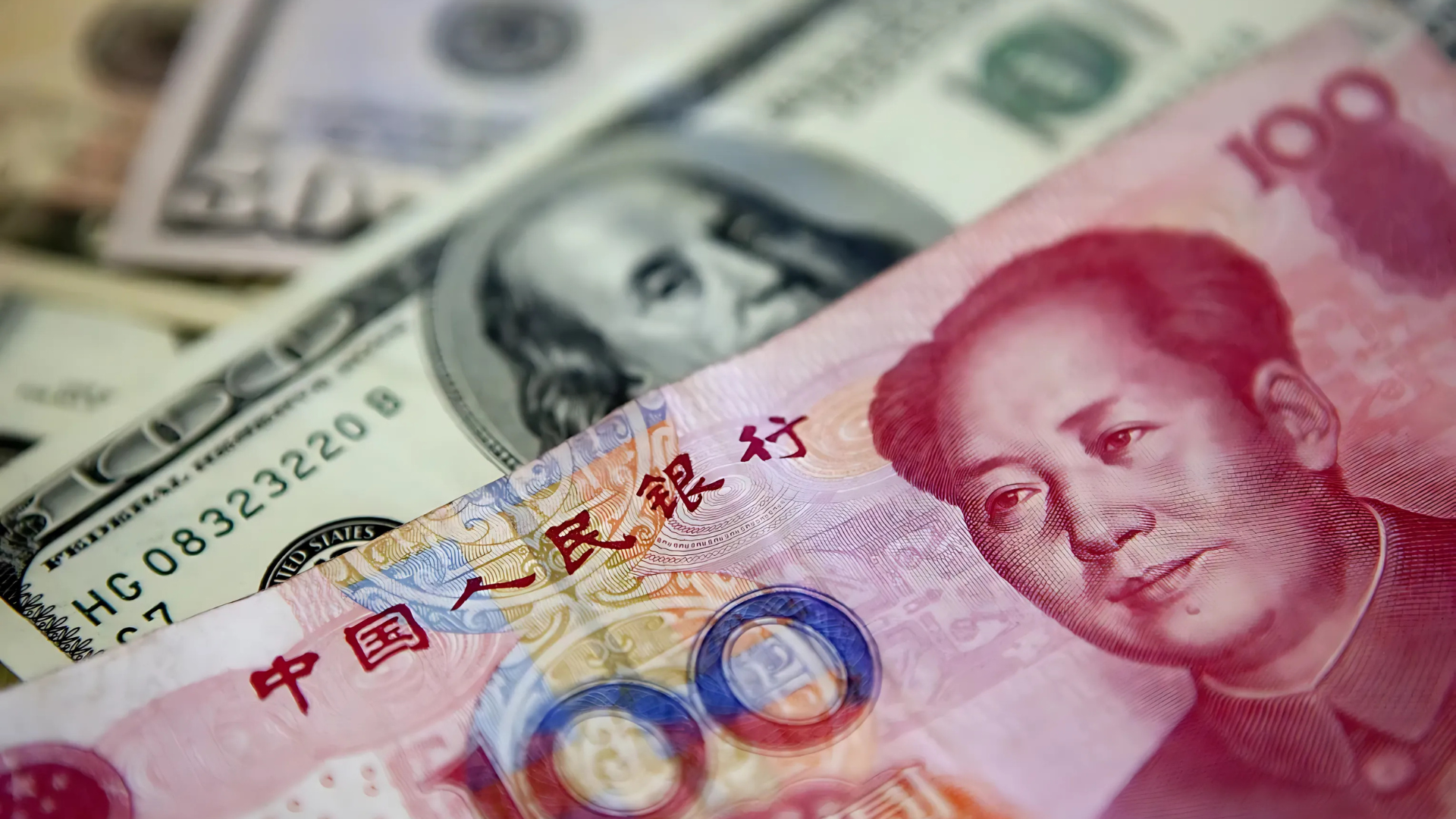
The SGR, a flagship infrastructure project linking Mombasa to Nairobi, was financed through a $5 billion loan from China’s Exim Bank, with repayments straining Kenya’s finances since the grace period ended in 2020. The loan, denominated in dollars, has faced increased pressure due to a weakening shilling and rising global interest rates, pushing annual servicing costs to over $1 billion. The proposed conversion to yuan, coupled with an extended repayment schedule, aims to reduce this burden, leveraging China’s lower lending rates—estimated at 3-4% compared to 6-7% for dollar-based loans. Amid a Sh10 trillion national debt and 5.5% inflation, the move follows the 2024 protests, where citizens rejected tax increases intended to bridge a fiscal gap. A vendor in Kisumu, sorting fish near a market stall, remarked, "If this saves money, it could help us all."
Public response has been a mix of cautious optimism and skepticism. In Mombasa, a fisherman mending nets caught the update on a community radio and said, "Lower costs sound good, but will China agree?" The negotiations reflect Kenya’s search for alternative fiscal strategies after the tax hikes, which proposed levies on fuel and housing, triggered violent demonstrations in June 2024, forcing President William Ruto to withdraw the Finance Bill. The IMF’s recent assessment labeled Kenya at high risk of debt distress, with external debt at $40.5 billion, including $5.7 billion owed to China. A youth leader in Naivasha, organizing a town hall, added, "This could ease our burden if handled well." The talks test economic resilience.
The morning’s announcement drew diverse reactions. In Thika, a mother preparing lunch for her children said, "Less debt means better services for us." In Baringo, a herder tending cattle noted, "We need relief from these high costs." The Treasury projects that halving interest costs could free up funds for health and education, sectors hit hard by austerity measures. The yuan conversion aligns with China’s push to internationalize its currency, offering Kenya a buffer against dollar volatility, though it shifts exposure to yuan fluctuations. A driver in Garissa, fueling his matatu, remarked, "This could work if the terms are fair." The move highlights fiscal innovation.
As the day progressed, the story reached remote areas. In Marsabit, a community elder listening to a radio update said, "Our leaders must ensure this benefits us." In Mombasa’s markets, a vendor packing goods asked, "Will this stop more tax hikes?" The negotiations, ongoing since early 2025, build on China’s role as Kenya’s largest bilateral creditor, with the SGR loan comprising a significant portion of the $5.7 billion debt. The extended repayment terms could stretch over 15-20 years, reducing annual outflows and supporting Kenya’s $100 billion Vision 2030 goals. A shopkeeper in Homa Bay, preparing for the Devolution Conference, noted, "This could stabilize our economy if successful." The talks reflect strategic planning.
The morning brought a reflective mood to offices and homes. In Eldoret, a public servant preparing a report said, "Debt relief is urgent; this might help." In Kisumu, a father checking on his family added, "The protests showed us limits; this is a better path." The 2024 protests, claiming over 50 lives, underscored public resistance to fiscal policies, prompting the government to explore debt restructuring. The IMF supports such moves, provided they ensure sustainability, but warns of risks if terms favor China excessively. A community organizer in Turkana, planning a radio talk, remarked, "We need transparency on this deal." The negotiations challenge fiscal trust.
Experts see a delicate balance. In Nairobi, an economist discussing over tea said, "This could ease pressure, but yuan risks must be managed." The conversion shifts currency exposure, potentially benefiting Kenya if the yuan remains stable, though China’s economic slowdown poses uncertainties. A vendor in Timau, closing his stall, said, "Let’s hope it’s not just another loan trap." The Treasury aims to finalize talks by year-end, with savings reinvested into infrastructure and social programs. A father in Nyahururu, walking home with his family, added, "This could lift us if done right." The move marks a pivotal shift.
The day saw continued engagement across the country. In Nakuru, a group at a market debated the news. "Will China set tough terms?" one trader asked, sorting vegetables. In Nairobi’s cyber cafes, a student scrolling through updates noted, "Social media is buzzing with hope and worry." The government plans public forums to explain the deal, while opposition leaders demand oversight. A youth leader in Kitale, organizing an event, reflected, "This could redefine our debt story if successful." As negotiations advance, their outcome will shape Kenya’s economic future.