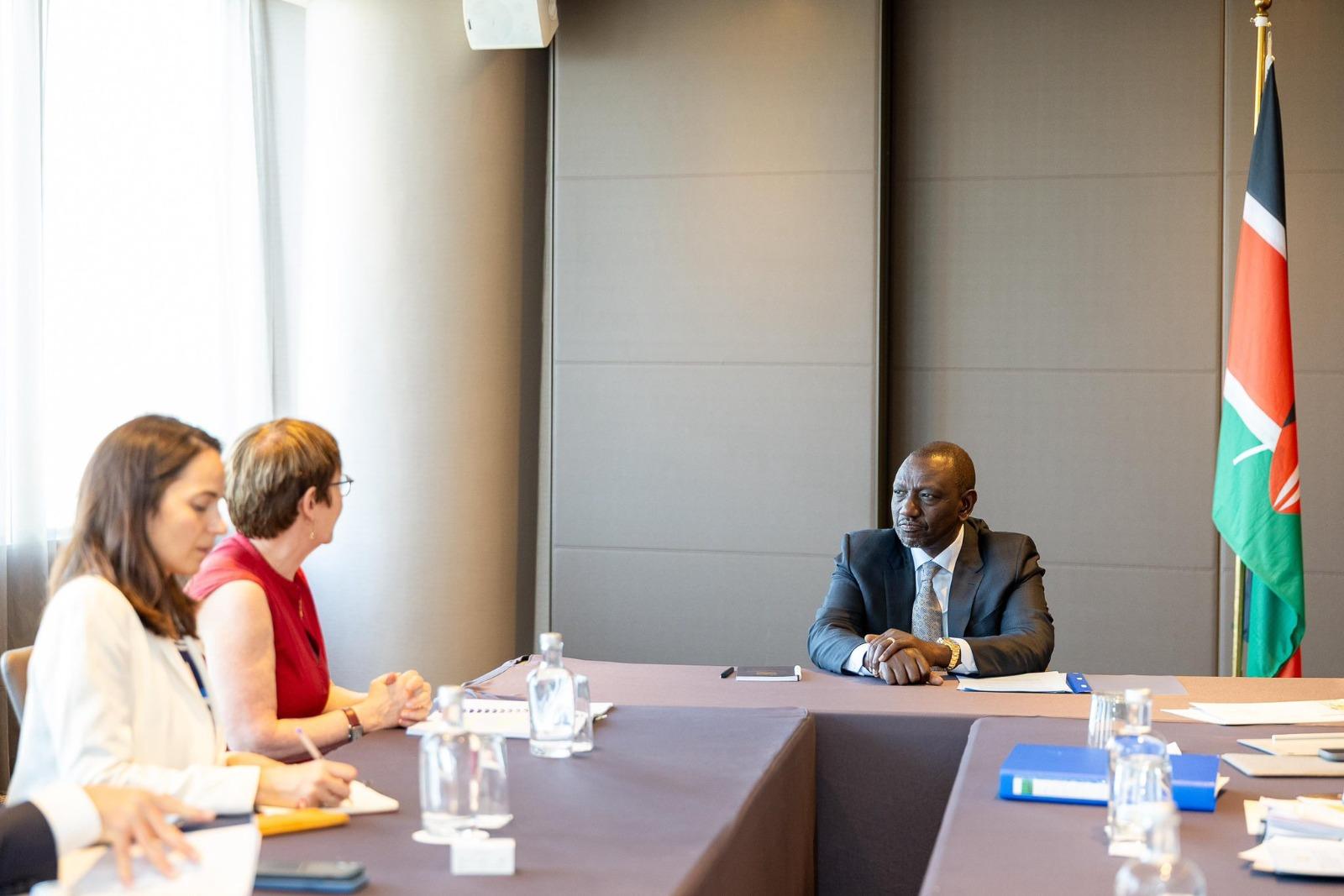
President William Ruto achieved a significant diplomatic and economic milestone for Kenya during a visit to Seville, Spain, where he secured an agreement for Nairobi to host the African continental office of the European Bank for Reconstruction and Development (EBRD). The decision, announced following high-level talks with EBRD President Odile Renaud-Basso on the sidelines of the Fourth International Conference on Financing for Development, positions Kenya as a pivotal hub for development finance in Sub-Saharan Africa. The move is expected to unlock billions in investments for micro, small, and medium enterprises (MSMEs), promote public-private partnerships, and advance climate-focused initiatives, reinforcing Kenya’s growing influence as a regional economic powerhouse.
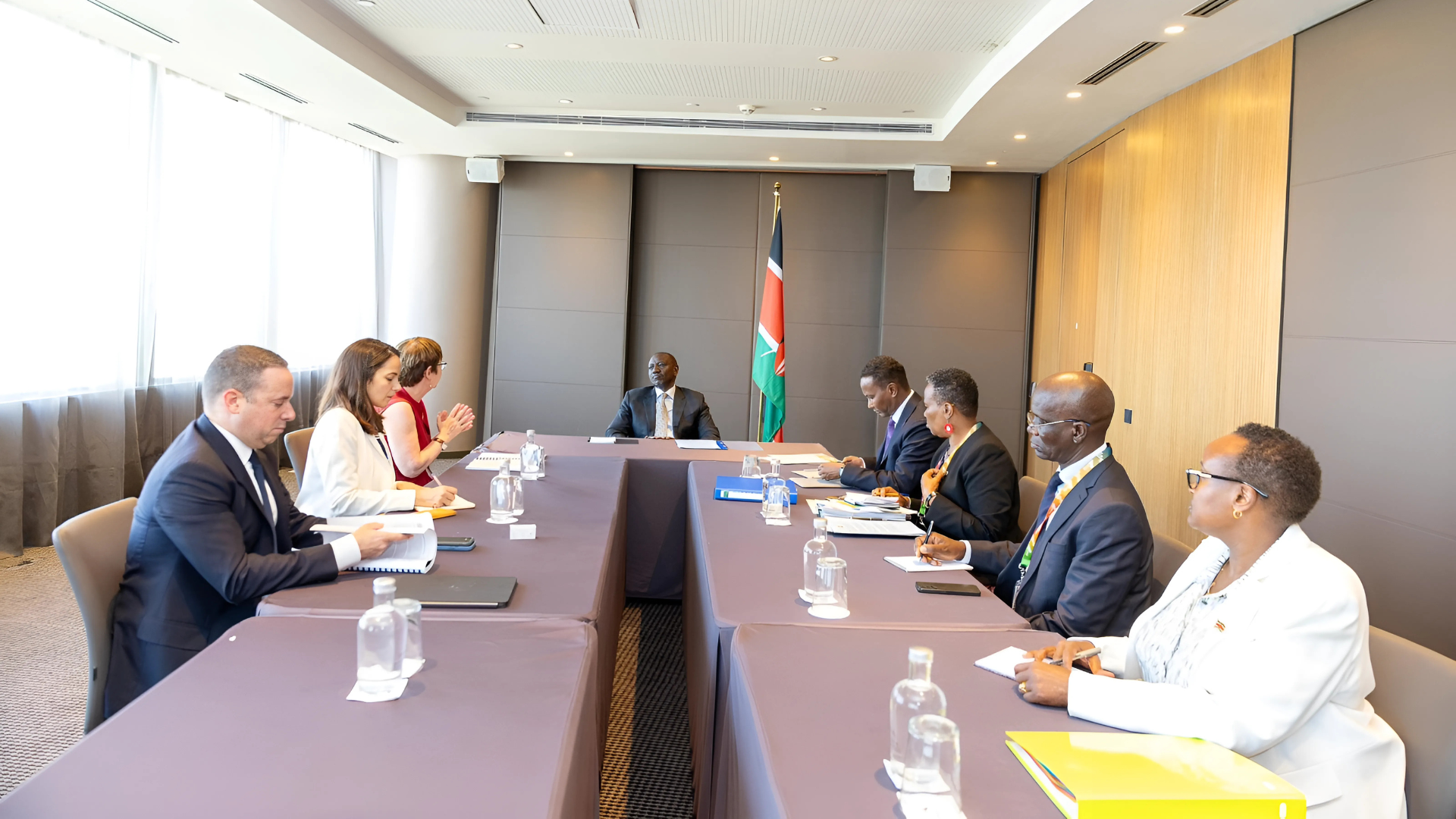
The agreement marks a historic step for the EBRD, a multilateral development bank established in 1991 to support post-Cold War economic transitions in Eastern Europe and later expanded to regions including North Africa and the Middle East. Kenya, alongside Nigeria, Benin, Côte d’Ivoire, Ghana, and Senegal, recently joined the bank as a member, paving the way for its expanded operations in Sub-Saharan Africa. “We value our growing partnership with the EBRD and welcome the bank’s decision to establish an African office in Nairobi,” Ruto said during a press briefing in Seville. “This is a strategic move that will enhance support for our MSMEs and promote sustainable economic growth across the continent.”
The decision to establish the EBRD’s African headquarters in Nairobi follows months of negotiations and Kenya’s recent approval as a member of the bank in March 2024. The ratification process, currently before the Kenyan Parliament, is expected to be finalized soon, enabling the office to commence operations later in 2025. “Nairobi’s selection as the EBRD’s African base is a testament to Kenya’s strategic position and economic potential,” said National Treasury Cabinet Secretary John Mbadi, who accompanied Ruto on the trip. “This will bring significant investment opportunities and create jobs, particularly for our youth.” The EBRD’s presence is anticipated to channel millions of euros into projects supporting agriculture, infrastructure, renewable energy, and technology, aligning with Kenya’s Bottom-Up Economic Transformation Agenda (BETA).
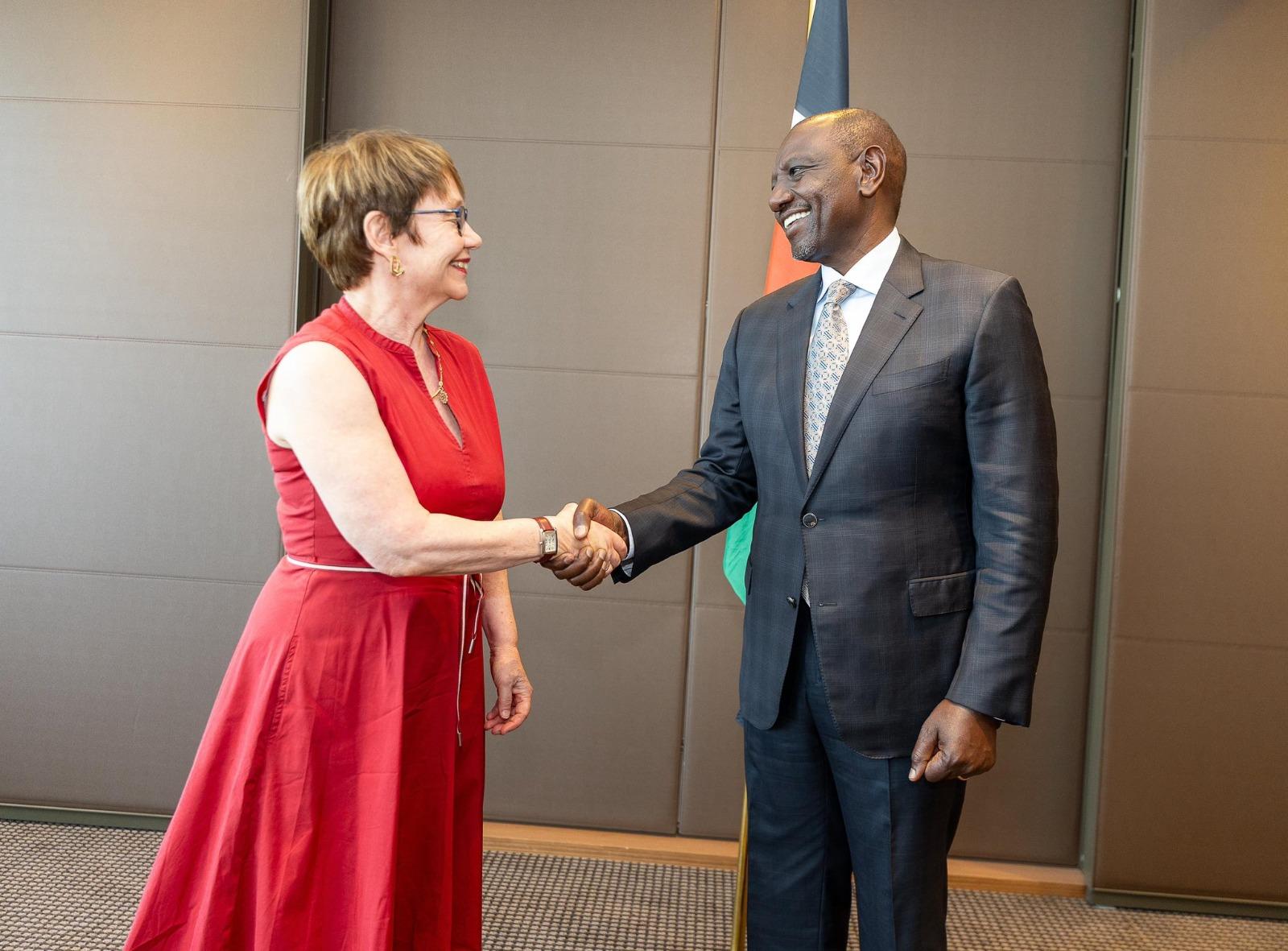
During the Seville meeting, Ruto and Renaud-Basso outlined a comprehensive engagement strategy, emphasizing climate financing, green investments, and the organization of an investor conference in Nairobi later in 2025. “We agreed on a range of engagements, including support for climate financing and the promotion of green investments,” Ruto said. “The investor conference will bring global stakeholders to Nairobi, showcasing Kenya’s potential as a destination for sustainable development.” The focus on green initiatives reflects Kenya’s leadership in climate action, exemplified by its hosting of the inaugural Africa Climate Summit in 2023, which launched the Africa Green Industrialisation Initiative (AGII).
The EBRD’s decision to establish its African headquarters in Nairobi is seen as a vote of confidence in Kenya’s economic stability and strategic location. Nairobi, already a hub for international organizations like the United Nations Environment Programme (UNEP) and the World Bank’s regional offices, is well-positioned to host the EBRD’s operations. “Kenya’s infrastructure, skilled workforce, and vibrant private sector make Nairobi the ideal choice,” said Maryan Abdi, chairperson of the Kenya Chamber of Commerce and Industry. “This will attract more investors and position Kenya as a gateway to Sub-Saharan Africa.” The EBRD’s office is expected to facilitate partnerships with local businesses, providing tailored financing solutions and advisory services to high-potential MSMEs.
The announcement has generated widespread optimism among Kenyan business owners, particularly those in the MSME sector, which employs over 80 percent of the country’s workforce. “Access to affordable financing has always been a challenge for small businesses,” said Jane Wambui, a Nairobi-based entrepreneur who runs a textile startup. “With the EBRD coming to Nairobi, I hope we’ll see more opportunities to grow and compete regionally.” The bank’s focus on public-private partnerships is also expected to drive infrastructure projects, such as roads, energy grids, and digital connectivity, which are critical for Kenya’s industrialization goals.
However, the agreement has not been without scrutiny. Some analysts have raised concerns about the potential debt implications of increased engagement with multilateral lenders. “While the EBRD’s presence is a win, we must ensure that the financing terms are favorable,” said economist David Ndii. “Kenya’s debt burden is already significant, and we cannot afford to take on unsustainable loans.” Kenya’s public debt, estimated at over Sh10 trillion, has been a contentious issue, with recent budget cuts, including a Sh12 billion reduction to the NG-CDF, highlighting fiscal constraints. Ruto addressed these concerns, emphasizing that the EBRD’s investments would prioritize concessional financing and long-term partnerships. “This is not about borrowing recklessly,” he said. “It’s about leveraging strategic partnerships to unlock sustainable growth.”
The Seville talks also underscored Kenya’s broader diplomatic ambitions. On the same day, Ruto met with Ukrainian Prime Minister Denys Shmyhal to discuss deepening ties in education, food security, and trade. “Kenya remains committed to strengthening diplomatic ties with Ukraine for the mutual benefit of our citizens,” Ruto said, highlighting the potential for Kenya’s strategic location to facilitate regional commodity distribution. These engagements reflect Ruto’s push to position Kenya as a key player in global diplomacy, building on his advocacy for reforms in the international financial architecture. “Africa deserves a fair financial system,” Ruto reiterated in Seville, echoing his calls at previous summits for more inclusive multilateral development banks.
The EBRD’s Nairobi office is expected to enhance collaboration with other development partners, such as the African Development Bank (AfDB), which has supported projects like Kenya’s Last Mile Connectivity Project, electrifying over 10 million households. “The synergy between the EBRD and AfDB will be transformative,” said Susan Mang’eni, Principal Secretary for Trade. “Together, they can address Africa’s financing gaps, particularly in climate and industrialization.” The EBRD’s focus on green growth aligns with Kenya’s efforts to transition to renewable energy, with projects like geothermal plants and solar farms already benefiting from international support.
Public sentiment, as reflected on platforms like X, has been largely positive, with many Kenyans celebrating the announcement as a milestone for economic development. “Nairobi as the EBRD’s African hub is a big win for Kenya,” one user posted. “This means jobs, investment, and a stronger economy.” Others, however, urged the government to ensure transparency in how the funds are managed. “We need accountability to make sure these billions benefit ordinary Kenyans, not just the elite,” another user wrote. The sentiment underscores the high expectations placed on the government to translate the EBRD’s presence into tangible benefits.
The decision also comes amid challenges in Kenya’s domestic economic landscape. Recent protests over fiscal policies, including the Gen Z-led demonstrations in June 2025, have highlighted public frustration with economic inequality and governance. The EBRD’s focus on MSMEs and job creation could help address some of these concerns, particularly youth unemployment, which remains a pressing issue. “Young people need opportunities, and the EBRD’s investment in small businesses could be a game-changer,” said Grace Wanjiru, a youth advocate in Nairobi. “But the government must ensure these opportunities reach the grassroots.”
The establishment of the EBRD’s African headquarters in Nairobi is also a diplomatic coup for Ruto, who has prioritized attracting foreign investment since taking office. His engagements in Spain, including discussions on climate finance and trade, build on previous efforts to strengthen ties with European nations. In 2023, Ruto’s state visit to Spain saw commitments to deepen economic cooperation, though unresolved issues, such as a Sh1.2 billion debt to a Spanish company, have occasionally strained relations. “Kenya and Spain share a vision for sustainable development,” Ruto said, signaling his intent to resolve outstanding issues and deepen bilateral ties.
As Nairobi prepares to host the EBRD’s African office, stakeholders are calling for swift action to ensure its success. “The government must create an enabling environment for investors,” said Abdi Hassan, a policy analyst. “This means streamlining regulations and addressing infrastructure gaps.” The planned investor conference in Nairobi is expected to showcase Kenya’s potential, bringing together global financiers, policymakers, and business leaders to explore opportunities in agriculture, technology, and renewable energy.
The EBRD’s arrival in Nairobi marks a new chapter in Kenya’s economic journey, offering hope for inclusive growth and sustainable development. For traders like Wambui, the prospect of easier access to financing is a lifeline. “I’ve been struggling to expand my business,” she said. “If the EBRD can help, it will change my life and my community’s.” As Kenya positions itself as a hub for development finance, the success of this initiative will depend on effective implementation, transparency, and a commitment to ensuring that the benefits reach all corners of society.