Kenya’s government has announced an ambitious plan to raise Sh129 billion ($990 million) through innovative financial instruments, including Sukuk bonds and Real Estate Investment Trusts (REITs), to accelerate its Affordable Housing Programme (AHP). The announcement, made by Treasury Cabinet Secretary John Mbadi on June 23, 2025, aims to address a housing deficit estimated at over two million units while creating jobs and stimulating economic growth. The funds, to be mobilized through the Nairobi Securities Exchange (NSE), come as the Kenya Kwanza administration doubles down on its commitment to deliver 250,000 housing units annually, a cornerstone of its Bottom-Up Economic Transformation Agenda. However, the plan has sparked debate, with critics questioning the sustainability of additional debt and the programme’s ability to deliver tangible benefits to low-income Kenyans.
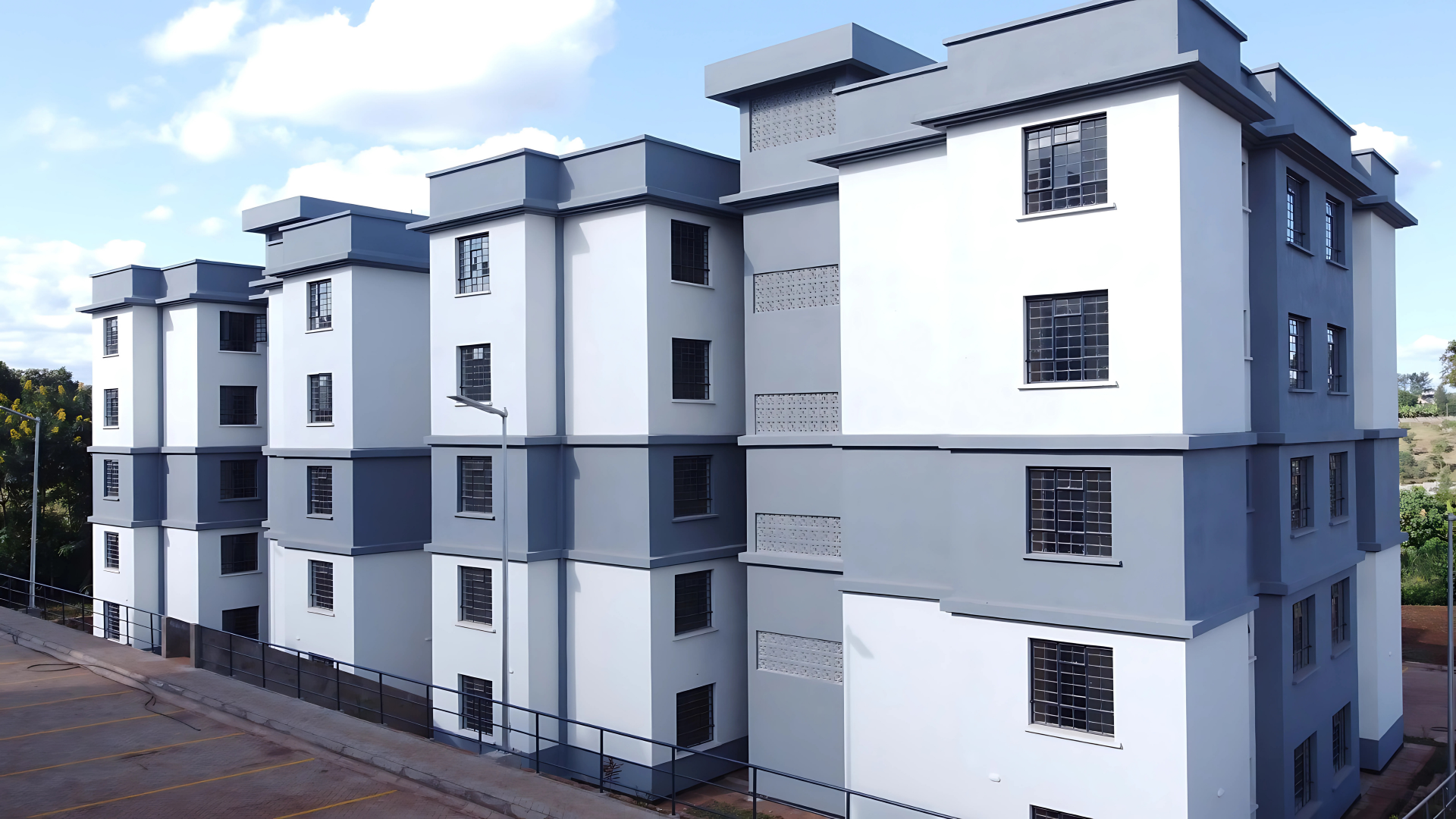
The housing crisis in Kenya, driven by rapid urbanization and population growth, has long been a pressing challenge. With 4.59% of urban dwellers living in slums and an annual housing demand of 2.5 million units against a supply of just 50,000, millions struggle to access decent, affordable homes. The AHP, rebranded from the Big Four Agenda of the previous administration, seeks to bridge this gap by constructing affordable and social housing units across urban and rural areas. “Our vision is to ensure every Kenyan has a roof over their head,” Mbadi said during a parliamentary address. “This Sh129 billion injection will transform lives and create opportunities for our youth.”
The proposed financing strategy involves issuing Sukuk bonds, Islamic-compliant instruments that allow investors to earn returns from asset-backed securities, and REITs, which enable collective investment in real estate. Sukuk bonds are expected to attract both domestic and foreign investors, particularly from the Middle East, given their alignment with Sharia principles. “Sukuk offers a unique opportunity to tap into global Islamic finance markets,” said financial analyst Sarah Mwangi in Nairobi. “It’s a smart move to diversify funding beyond traditional loans.” REITs, meanwhile, will allow Kenyans to invest in housing projects, with returns generated from rental income or property sales. The government has already operating four REITs, including ILAM Fahari I-REIT, sees this as a way to democratize wealth creation.
The Sh129 billion will complement an existing allocation of Sh128.3 billion in the 2025/26 budget for housing and urban development, bringing the programme’s total funding to over Sh257 billion for the fiscal year. Of the new debt, Sh64.5 billion is earmarked for constructing affordable housing units, Sh10.4 billion for social housing, and Sh16.6 billion for infrastructure like roads and utilities. The Kenya Urban Programme will receive Sh13.5 billion to enhance urban planning, while Sh7.2 billion is allocated for the second phase of the Kenya Informal Settlement Improvement Project. “This is a holistic approach,” said Lands and Housing Cabinet Secretary Alice Wahome. “We’re not just building houses; we’re creating livable communities.”
The AHP has already shown progress, with 140,000 units constructed by February 2025 and 5,000 units set for handover by April. The Boma Yangu platform, which facilitates homeownership through rent-to-own plans with monthly payments as low as Sh3,000, has attracted 600,000 registrants. “I’ve been saving for two years through Boma Yangu,” said Pauline Wanjiru, a fruit vendor in Nairobi. “Owning a home seemed impossible, but now I have hope.” The programme has also created over 200,000 jobs, particularly for youth, in construction and related industries like cement and steel production. Mbadi highlighted this economic ripple effect, noting, “Every house built supports local businesses and puts money in people’s pockets.”
Despite these achievements, the plan to raise Sh129 billion through new debt has raised concerns about Kenya’s fiscal health. The country’s public debt, estimated at Sh10.5 trillion ($80 billion) in 2024, already consumes a significant portion of revenue for servicing. Critics argue that additional borrowing, even through market-based instruments like Sukuk and REITs, could strain the economy, especially with a slowing growth rate projected at 4.8% for 2025. “We’re borrowing to build houses, but what happens if uptake is low?” asked economist Mary Wanjiku. “The government needs to show these projects are viable.”
The National Housing Corporation (NHC) and Kenya Development Corporation (KDC) have faced challenges with unsold units from past projects, with Sh1.27 billion worth of houses remaining unoccupied as of June 2023. Auditor-General Nancy Gathungu noted that some projects, completed years ago, have failed to attract buyers or tenants, raising questions about demand. “We can’t ignore the risk of white elephants,” said political analyst John Mwangi. “The government must market these homes effectively and ensure they’re truly affordable.” Wahome countered that the AHP’s focus on low-income earners and flexible payment plans addresses these concerns, with ongoing efforts to engage SACCOs and diaspora Kenyans to boost uptake.
The use of Sukuk bonds has drawn particular attention, given Kenya’s nascent Islamic finance sector. The country issued its first Sukuk in 2019, raising Sh4.3 billion for student housing, and the government hopes to replicate this success on a larger scale. “Islamic finance is a growing market globally,” said Mwangi. “If structured well, Sukuk could attract significant capital without the high interest rates of conventional bonds.” However, the complexity of Sukuk issuance, which requires Sharia-compliant assets and legal frameworks, poses challenges. The government has pledged to work with the Capital Markets Authority (CMA) to streamline the process and ensure investor confidence.
REITs, meanwhile, offer a chance for ordinary Kenyans to invest in real estate, a sector that contributes 8.6% to GDP. However, uptake has been slow, with only four REITs authorized since 2013. “Most Kenyans don’t understand REITs,” said James Otieno, a financial advisor in Kisumu. “The government needs to educate the public to make this work.” The CMA has launched awareness campaigns, and the NSE is exploring incentives like tax breaks to boost participation. Wahome emphasized that REITs could unlock wealth for investors while funding housing, saying, “This is a win-win for Kenyans and our economy.”
The AHP’s success hinges on overcoming longstanding barriers to housing, including high land costs, limited mortgage access, and bureaucratic delays in property registration. With fewer than 25,000 mortgages outstanding—representing just 3.15% of GDP—homeownership remains out of reach for many. The Kenya Mortgage Refinance Company (KMRC), supported by banks like KCB, aims to provide long-term, affordable mortgages, but high interest rates (13.5% as of August 2023) remain a hurdle. “I want to buy a house, but the loans are too expensive,” said Peter Kamau, a mechanic in Eldoret. “The government needs to fix this first.”
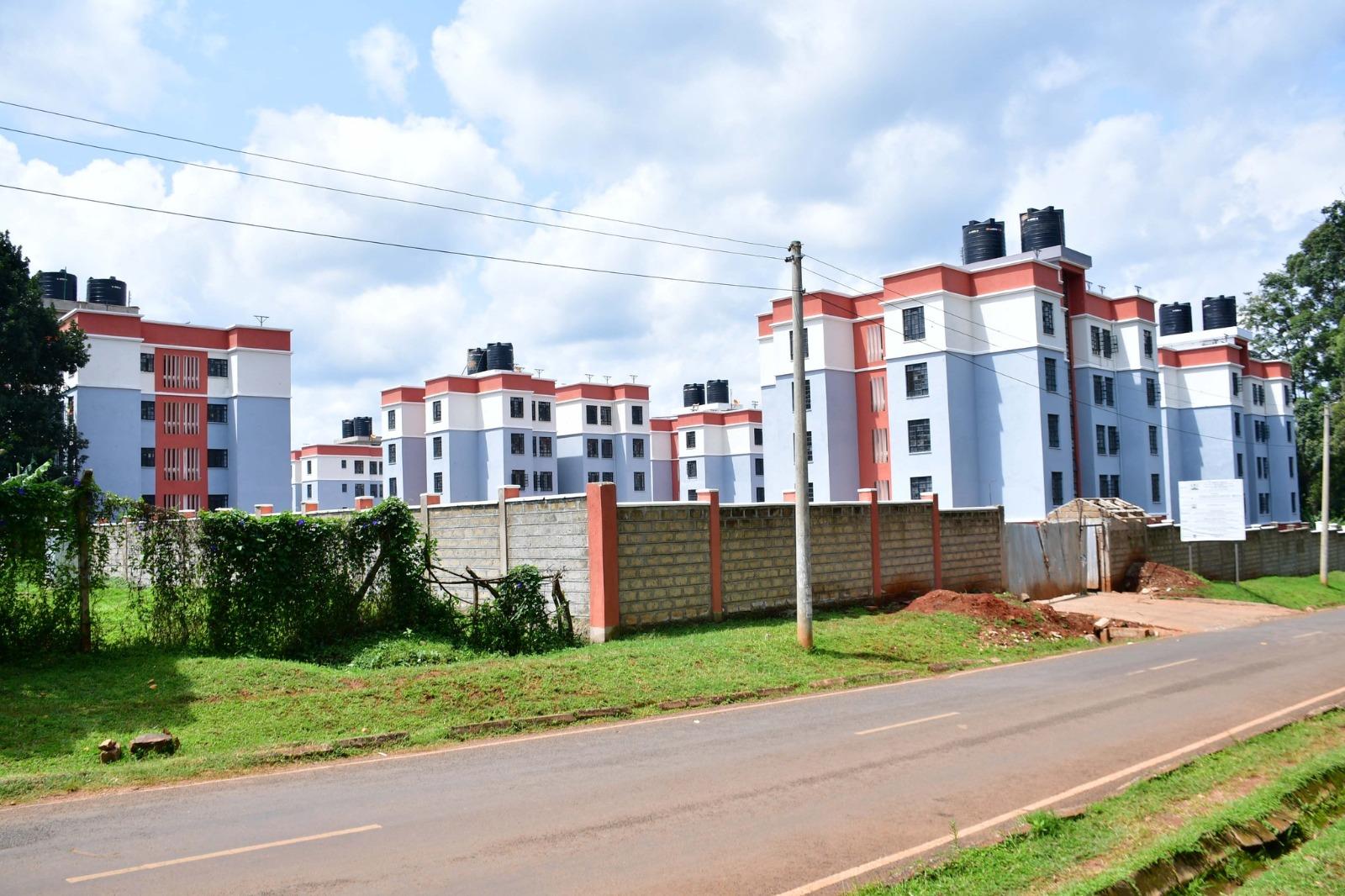
The programme also faces legal and public resistance. The Affordable Housing Levy, a 1.5% deduction on salaries introduced in 2023, was ruled unconstitutional by the Court of Appeal in January 2024 but reinstated under the Affordable Housing Act 2024. Critics argue it burdens workers already facing multiple deductions. “We’re being taxed left and right,” said Jane Wanjiku, a teacher in Nakuru. “The government should find other ways to fund housing.” Mbadi defended the levy, noting that it has raised Sh120 billion, much of which is invested in Treasury bills pending project rollout.
Environmental sustainability is another priority, with plans to integrate green building practices. The government has offered VAT exemptions on materials for green-certified projects, following the success of Acorn Holdings’ Sh4.3 billion green bond in 2019. “Green housing is the future,” said Wahome. “We’re building homes that save energy and protect our environment.” Projects like the Tilisi Development, backed by KCB and International Housing Solutions, aim to deliver 3,000 green units over five years, setting a model for the AHP.
As Kenya embarks on this bold financing plan, the stakes are high. The Sh129 billion injection could reshape urban landscapes, reduce slum prevalence, and fulfill constitutional rights to housing under Article 43. However, success depends on transparent implementation, public buy-in, and economic stability. “This is a chance to redefine Kenya’s future,” said Mbadi. “We’re building not just houses but a nation where everyone has a place to call home.”