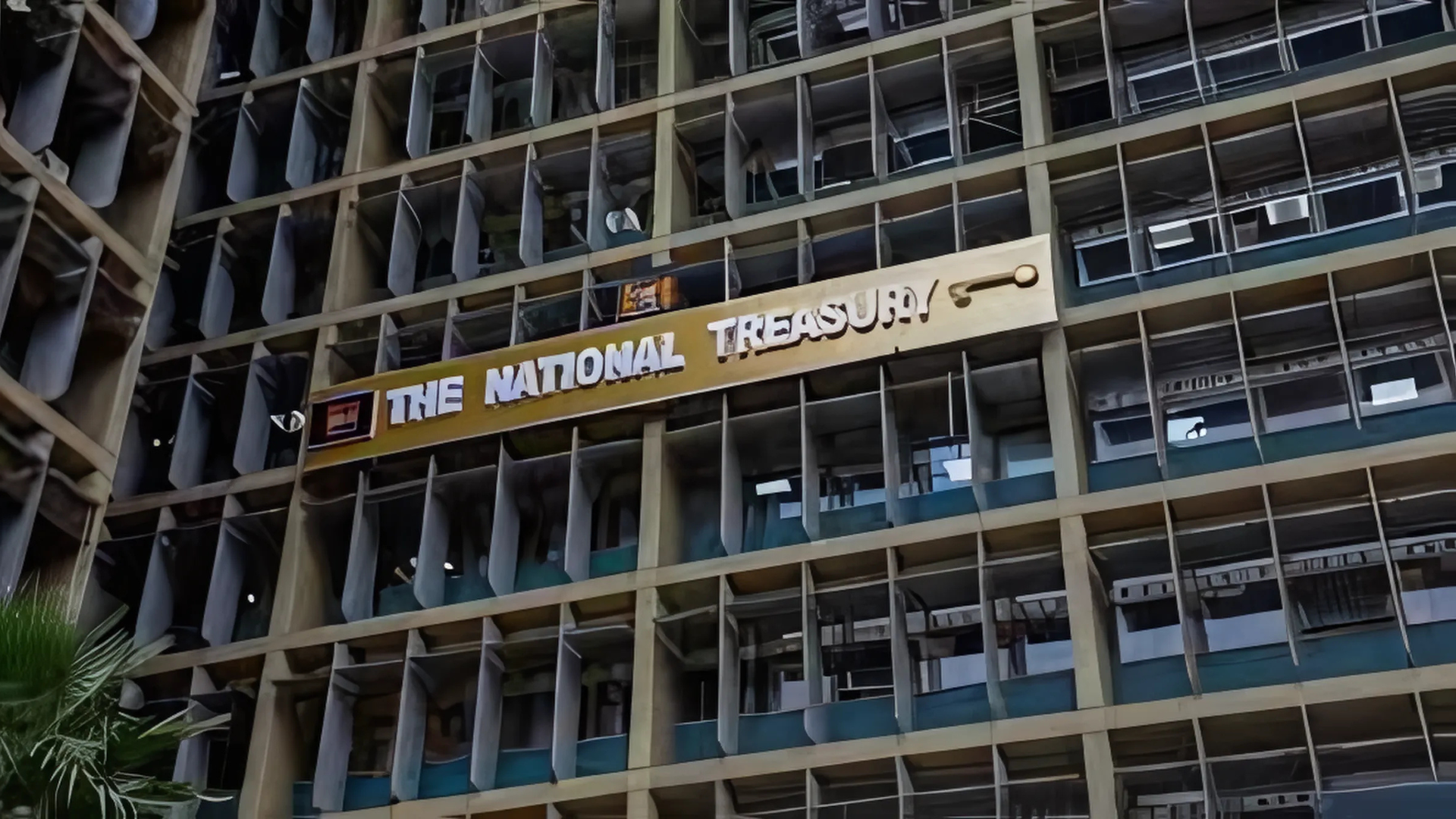
Kenya’s National Treasury announced a significant reduction in the National Government-Constituency Development Fund (NG-CDF) allocation, slashing it by Sh12 billion from Sh68 billion to Sh56 billion in a mini-budget tabled just days before the end of the financial year. The abrupt cut, described by lawmakers as a blow to grassroots development, is set to disrupt essential community programs, including bursaries for students, school infrastructure projects, and health coverage for the elderly. The decision, made amid fiscal consolidation efforts, has sparked outrage among Members of Parliament (MPs), community leaders, and constituents, who argue that the reduction will disproportionately harm vulnerable populations reliant on NG-CDF-funded initiatives.
The NG-CDF, established in 2003, is a cornerstone of Kenya’s decentralized development framework, channeling funds to constituencies for projects in education, health, water, and infrastructure. Each of the 290 constituencies typically receives an equal share of the fund, which MPs oversee to address local needs. The Sh12 billion cut, equivalent to a reduction of approximately Sh41 million per constituency, comes at a critical time when schools are preparing for the new academic term and communities are grappling with economic challenges. “This is a betrayal of the people we serve,” said Suba South MP Caroli Omondi. “The NG-CDF is the only tangible link between the government and grassroots communities. Cutting it now is like pulling the rug out from under the poor.”
The Treasury’s decision, outlined in a supplementary budget presented to the National Assembly, is part of broader efforts to address a fiscal deficit projected at Sh876.1 billion for the 2025/26 financial year. National Treasury Cabinet Secretary John Mbadi defended the cut, citing the need to align spending with revenue constraints. “We are operating in a tight fiscal environment,” Mbadi said during a press briefing in Nairobi. “Every shilling must be accounted for, and we’ve had to make tough choices to ensure economic stability.” The Treasury pointed to lower-than-expected revenue collection by the Kenya Revenue Authority and rising debt servicing costs as key drivers of the budget adjustments.
The reduction has drawn sharp criticism from MPs across the political spectrum, who argue that the NG-CDF is one of the most effective mechanisms for delivering development directly to citizens. “The NG-CDF has built classrooms, funded bursaries, and brought clean water to remote areas,” said Kimilili MP Didmus Barasa. “Cutting it by Sh12 billion means thousands of students will miss out on education, and the elderly will lose critical health support.” Barasa highlighted the fund’s role in constructing over 26,000 classrooms and supporting 1.2 million learners annually through bursaries, achievements that have bolstered access to education in underserved regions.
Education, a primary beneficiary of NG-CDF funds, faces significant disruption. In many constituencies, the fund covers school fees for students from low-income families, ensuring access to secondary and tertiary education. The cut is expected to reduce bursary allocations, potentially forcing thousands of students to drop out. “My daughter relies on the NG-CDF bursary to stay in school,” said Jane Wambui, a single mother from Kiambu. “If this money is cut, I don’t know how we’ll manage. The government is punishing the poor.” School principals have also raised concerns about stalled infrastructure projects, such as classrooms and laboratories, which are critical for implementing the Competency-Based Curriculum (CBC). “We were counting on NG-CDF to complete a science lab,” said Peter Mwangi, a headteacher in Nakuru. “Now, our students will have to wait longer, and that’s unfair.”
Health programs, particularly those supporting elderly citizens, are also at risk. The NG-CDF has been instrumental in funding community health initiatives, including medical camps and insurance schemes for the elderly under the Social Health Authority (SHA). In rural constituencies, where public health facilities are often under-resourced, these programs provide a lifeline. “We’ve been running free medical camps for the elderly using NG-CDF funds,” said Wajir East MP Aden Mohamed. “This cut means fewer camps, less medicine, and more suffering for our grandparents.” The elderly, many of whom cannot afford private healthcare, face an uncertain future as constituencies scramble to reallocate dwindling resources.
The timing of the cut, just days before the financial year closes on June 30, has fueled accusations of poor planning. MPs argue that the late announcement leaves little room for constituencies to adjust budgets or seek alternative funding. “This is not just a cut; it’s sabotage,” said Rarieda MP Otiende Amollo. “How are we supposed to plan when the Treasury drops this on us at the last minute?” Amollo and other lawmakers have threatened to reject the mini-budget unless the NG-CDF allocation is restored, a move that could delay critical government spending plans. In 2023, similar delays in NG-CDF disbursements led to protests from MPs, who accused the Treasury of undermining their ability to deliver on campaign promises.
The Budget and Appropriations Committee (BAC), chaired by Alego Usonga MP Samuel Atandi, has called for an urgent review of the cut. “The NG-CDF is not just another budget line; it’s a lifeline for millions,” Atandi said. “We’re engaging the Treasury to find a way to mitigate this impact, but it’s clear that this decision was made without consulting stakeholders.” The BAC has proposed reallocating funds from less critical areas, such as administrative budgets, to restore part of the NG-CDF allocation. However, with the fiscal year ending, time is running out to finalize these adjustments.
The cut has also reignited debate about the NG-CDF’s structure and management. Critics argue that the fund, while impactful, has been plagued by inefficiencies and allegations of mismanagement. A 2021 audit revealed that Sh1.7 billion in bursary funds across 42 constituencies could not be fully accounted for, raising questions about transparency. “The NG-CDF is a double-edged sword,” said anti-corruption advocate John Mboya. “It delivers development, but without proper oversight, it’s prone to abuse. The Treasury’s cut might force a reckoning on how these funds are managed.” Despite these concerns, supporters of the fund, including MPs and community leaders, maintain that its benefits far outweigh its flaws, citing tangible projects like schools, water points, and health centers.
Constituents, particularly in rural areas, have expressed frustration over the cut, viewing it as a betrayal by the national government. “The NG-CDF is the only thing we see from Nairobi,” said Joseph Ochieng, a farmer in Migori. “Our MP built a dispensary and a school with it. Now, what happens to our children and our sick?” Public sentiment on platforms like X reflects similar anger, with users decrying the cut as a blow to the poor. “The Treasury is starving our schools and hospitals to pay debts,” one user posted. “MPs must fight this, or we’ll hold them accountable.” Another wrote, “NG-CDF is the only government we feel. Why cut it now?”
The cut comes amid broader economic challenges, including a depreciating shilling and a public debt burden of over Sh10 trillion. The Treasury’s focus on fiscal consolidation has led to reductions in other sectors, including education and agriculture, prompting accusations that the government is prioritizing debt repayment over social services. “We’re being asked to tighten our belts while MPs and the elite live lavishly,” said Mary Njoroge, a Nairobi-based activist. “The NG-CDF cut is just another way to make the poor pay for the government’s failures.” The recent Gen Z protests, which saw young Kenyans storm Parliament over tax hikes, underscore the growing discontent with fiscal policies perceived as anti-poor.
Civil society groups have called for greater transparency in the budgeting process and urged the government to prioritize social spending. “The NG-CDF is one of the few programs that directly benefits ordinary Kenyans,” said Grace Wanjiru of the Kenya Development Network. “Cutting it without a clear plan to replace those funds is reckless.” The Law Society of Kenya has also weighed in, warning that the reduction could deepen inequality, particularly in marginalized areas. “Constituencies like Wajir and Turkana rely heavily on NG-CDF for basic services,” said President Faith Odhiambo. “This cut will widen the development gap.”
President William Ruto, whose administration has championed the NG-CDF as a tool for grassroots development, faces a delicate balancing act. During a recent event in Nyeri, Ruto defended the fund, calling it “a game-changer for rural communities.” However, the Treasury’s decision has put him in a difficult position, as MPs from his Kenya Kwanza coalition join opposition lawmakers in opposing the cut. “The President must intervene,” said Barasa. “He knows the NG-CDF’s impact. We can’t let it be gutted like this.” Political analysts suggest that the cut could erode Ruto’s support base, particularly in rural constituencies where NG-CDF projects are a key measure of government performance.
As the financial year closes, the Treasury has promised to engage with MPs to address their concerns, but no concrete commitments have been made to restore the Sh12 billion. Meanwhile, constituencies are bracing for tough choices, with some MPs considering redirecting funds from ongoing projects to prioritize bursaries. “We’ll have to delay some road projects to keep kids in school,” said Mohamed. “It’s not ideal, but education comes first.” For now, the cut has cast a shadow over the NG-CDF’s legacy, leaving communities, students, and the elderly uncertain about the future of critical services they depend on.