On July 6, 2025, Nairobi will come alive with the vibrant energy of the fourth edition of the Nairobi City Marathon, a globally celebrated event that will see over 15,000 runners from 75 countries take to the streets. However, this spectacle of athleticism and community spirit comes with significant logistical challenges for the capital’s residents and visitors. Major roads across the city, including the Nairobi Expressway, Uhuru Highway, and Kenyatta Avenue, will face extensive closures starting at 10 p.m. on Saturday, July 5, and continuing through various times on Sunday, July 6. The marathon, themed “I Love Nairobi,” promises a unique experience with its elevated course along the Nairobi Expressway, but authorities are urging motorists to plan alternative routes to avoid delays, particularly for those traveling to Jomo Kenyatta International Airport or navigating the Central Business District.
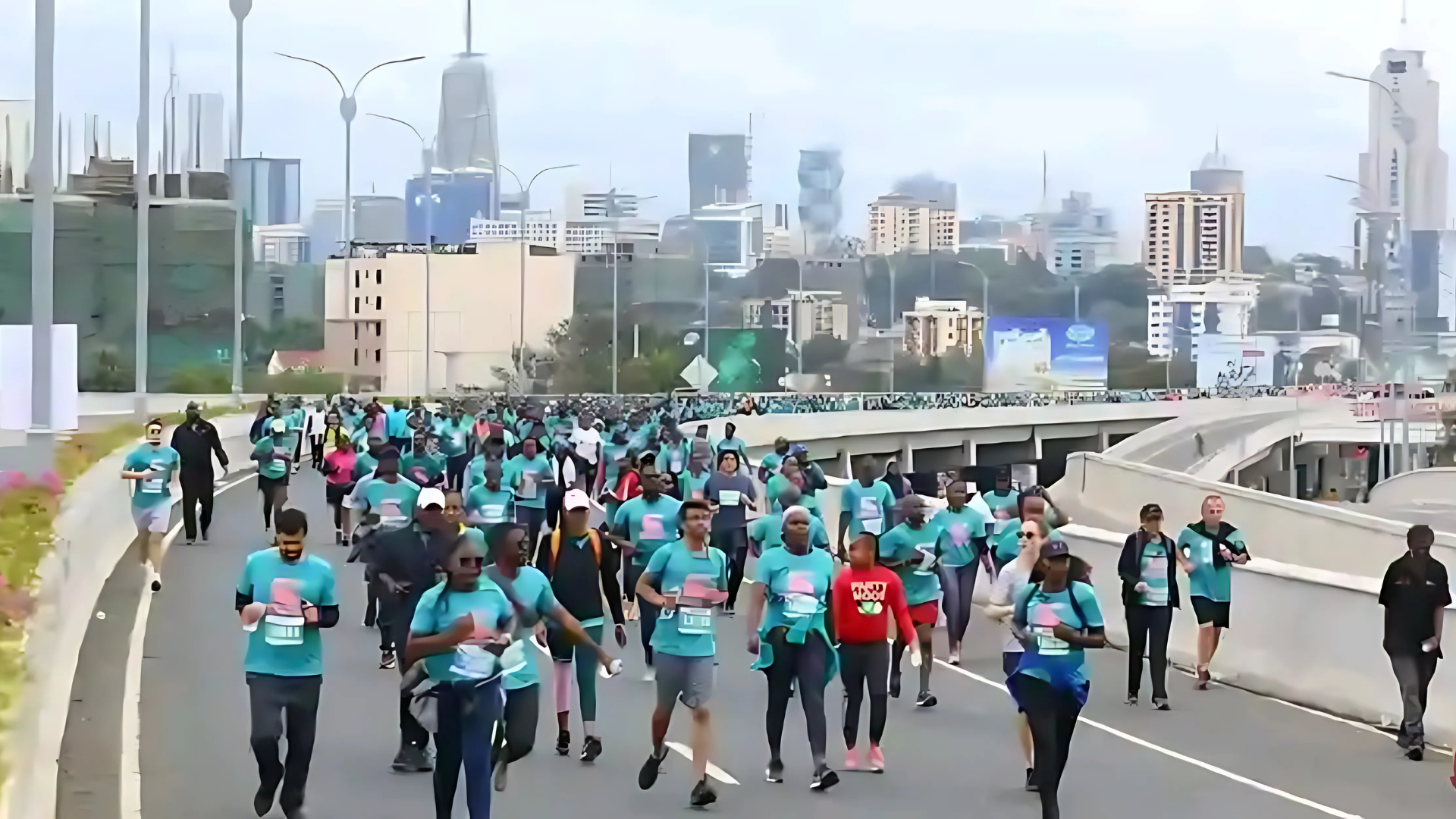
The Nairobi City Marathon has grown into one of Africa’s premier running events, attracting elite athletes like Paul Lonyangata, a two-time Paris Marathon winner, alongside local and international amateurs. “This marathon showcases Nairobi’s beauty and Kenya’s running legacy,” said Competitions Director Kennedy Tanui during the event’s launch in Nairobi. “We expect over 16,000 participants by race day, making this our biggest edition yet.” The event features a 42-kilometer full marathon, a 21-kilometer half marathon, a 10-kilometer Expressway Run, and a 4-kilometer Fun Run, all starting and ending at Uhuru Park, a shift from previous years when Nyayo Stadium served as the hub. The change, necessitated by ongoing renovations at Nyayo Stadium for the 2025 Africa Nations Championships, aims to enhance the spectator experience and highlight iconic city landmarks.
The marathon’s unique course, dubbed “the only marathon run in the sky,” unfolds entirely on the Nairobi Expressway, offering runners a scenic aerial view of the capital. Starting at Uhuru Park near the Intercontinental Hotel and Parliament, the route winds along Uhuru Highway to Museum Hill, merges onto the Expressway, and heads west past James Gichuru, Red Hill, and Quickmart. Runners then make a U-turn at Westlands Toll Station, proceed toward the JKIA exit, make another U-turn, and exit at Haile Selassie Avenue, passing Central Park before finishing along Processional Way. “The Expressway gives runners a flat, fast course with breathtaking views,” said Technical Director Ibrahim Hussein. “It’s certified by World Athletics, ensuring global standards.” Eight hydration stations, spaced every five kilometers, will keep participants fueled, with a final supply station at the finish line offering water and snacks.
To accommodate this massive undertaking, the Kenya National Highways Authority and Moja Expressway Company have announced extensive road closures, prompting warnings for motorists to prepare for significant disruptions. The Nairobi Expressway, a critical artery connecting James Gichuru to Jomo Kenyatta International Airport, will be closed in both directions from 10 p.m. on Saturday until 3 p.m. on Sunday. “This is the longest closure period for the Expressway,” said a KeNHA official, emphasizing the need for alternative travel plans. Waiyaki Way’s inner lanes, between Musa Gitau Road and the Expressway entrance, will be shut from midnight to 10 a.m. on Sunday, with two lanes on each side inaccessible until 2 p.m. Uhuru Highway, a vital thoroughfare, will be closed from midnight to 2 p.m., affecting stretches between the Southern Bypass and Langata Roundabout, as well as from Bunyala Roundabout to Kenyatta Avenue.
Other key routes facing closures include Mombasa Road and the Southern Bypass, particularly at the Likoni Road crossing, from midnight to 11 a.m., impacting roundabouts and CBD-bound exits. Kenyatta Avenue, between PanAfric Hotel and Uhuru Highway, will be closed from midnight to 4 p.m., while several CBD streets—Harry Thuku Road, University Way, Koinange Street, Kimathi Street, Simba Street, Mama Ngina Street, City Hall Way, Taifa Road, Harambee Avenue, and Parliament Road—will be inaccessible from midnight to 2 p.m. “Motorists should expect delays, especially around the CBD,” said a traffic marshal coordinating the event. “We’re advising everyone to study the closure map and use public transport where possible.” Alternative routes, including Thika Road, Raila Odinga Road, Lusaka Road, Langata Road, and parts of the Southern Bypass, will remain open, but critical junctions like Haile Selassie Avenue and Bunyala Road will be closed, complicating access to the city center.
The marathon’s scale, with participants from countries like China, India, Britain, Ethiopia, Uganda, and Japan, underscores its growing prestige. The event boasts Africa’s highest marathon prize money, with full marathon winners set to receive KSh 3.5 million each. “This is a celebration of Kenya’s running heritage,” said Jackson Tuwei, World Athletics Vice President and Athletics Kenya President. “We hold both the men’s and women’s world records, and this marathon showcases that excellence.” Notable athletes, including Flomena Cheyech, Viola Chepngeno, and Sandrafelis Chebet Tuei, will compete alongside amateurs, while experienced Kenyan pacers will guide runners aiming for specific finish times, from 2 hours 59 minutes to 5 hours, identifiable by colored flags at the start.
For Nairobi residents, the marathon brings both pride and inconvenience. “I love the energy this event brings, but getting to work on Sunday will be a nightmare,” said Jane Wambui, a shop owner in the CBD. Posts on X reflect similar mixed sentiments, with one user writing, “The marathon is great for Nairobi’s image, but these road closures are going to mess up my weekend plans.” Another posted, “Can’t wait to cheer the runners, but I’m leaving for JKIA at dawn to beat the traffic.” The event’s organizers have worked with Nairobi County to ensure logistical ease, providing bib collection at Uhuru Park from July 3 to 6 and setting up changing tents and luggage storage. However, participants have been warned against taking selfies at the finish line to avoid congestion, a rule that sparked humorous debate online, with one user joking, “Selfies are part of our culture, good luck enforcing that!”
The marathon also comes amid heightened security concerns following recent protests in Nairobi, including the July 3 burning of Mawego Police Station in Homa Bay over the death of blogger Albert Ojwang. Authorities have pledged robust security measures to protect participants and spectators. “We’ve coordinated with police and traffic marshals to ensure safety,” said Tanui. “This is a moment for Nairobi to shine.” The event’s “I Love Nairobi” theme aims to highlight the city’s vibrant culture, with runners passing landmarks like Parliament and Central Park, and organizers encouraging visitors to explore Nairobi’s cuisine, nightlife, and nearby attractions like Nairobi National Park.
For those not running, the marathon offers a chance to engage with the community. The 4-kilometer Fun Run, with 500 slots still available, welcomes families and colleagues, fostering a festive atmosphere. “It’s not just about elite runners; it’s about bringing people together,” said a volunteer at Uhuru Park. Businesses along open routes, like Ngong Road and Lusaka Road, are preparing for increased traffic, with some planning pop-up stalls to capitalize on the crowds. “The marathon brings customers, but I’m worried about deliveries,” said a trader in Westlands. The event’s economic boost is undeniable, with hotels and restaurants reporting high bookings from international participants.
As Nairobi prepares for this landmark event, residents are urged to plan early. “Check the closure map and leave extra time for travel,” advised a traffic police officer. The marathon’s website offers detailed guidance, including a map highlighting closed routes in red and open ones in green. With air quality sensors monitoring conditions and a World Athletics-certified course, the event promises a safe and memorable experience. As Kenya continues to dominate global distance running, the Nairobi City Marathon stands as a testament to its athletic prowess and vibrant spirit, even if it means a weekend of navigating detours for the city’s motorists.