By Brenda Wereh23 Jul, 202533 mins read 2,277 views
0 comments 0 likes
MPs summoned Treasury Principal Secretary Chris Kiptoo over E-Citizen funds not reaching Treasury accounts at the Central Bank of Kenya, criticizing the Treasury’s disregard for Auditor General’s recommendations.
The National Assembly’s Public Accounts Committee took decisive action on Wednesday, July 23, 2025, summoning Treasury Principal Secretary Chris Kiptoo to address mounting concerns over the e-Citizen platform, where funds collected have failed to reach Treasury accounts at the Central Bank of Kenya. The decision, made during a morning session at Parliament Buildings starting at 9:00 AM East Africa Time, followed revelations that significant revenues generated through the government’s online payment system were unaccounted for. Committee members, visibly frustrated, also faulted the National Treasury for ignoring recommendations from the Auditor General aimed at rectifying systemic weaknesses. Outside the chamber, a vendor selling newspapers near the entrance remarked, “If the money isn’t going where it should, who’s pocketing it?”
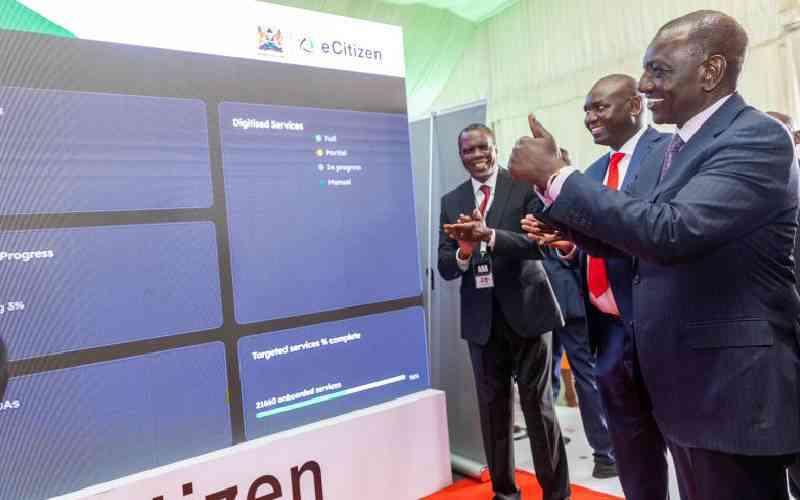
The e-Citizen platform, launched years ago to streamline payments for government services ranging from licenses to school fees, has become a cornerstone of Kenya’s digital transformation. However, recent scrutiny has uncovered that the funds, intended to bolster the exchequer, are not being deposited into designated accounts at the Central Bank of Kenya as required by law. The committee, chaired by Tindi Mwale, expressed alarm over the apparent breach, with Mwale stating, “We cannot allow public funds to vanish into thin air; the PS must come and explain this anomaly.” The summons, issued with a directive for Kiptoo to appear within a week, underscores the urgency of the matter as lawmakers seek to protect taxpayer money.
The Auditor General’s reports, spanning multiple fiscal years, had previously flagged irregularities in the platform’s financial controls, urging the Treasury to implement safeguards to ensure all revenues are properly channeled. Despite these warnings, the committee found that the National Treasury had taken little action, a lapse that has now drawn sharp criticism. “We’ve been raising red flags for years, and they’ve done nothing,” said an MP from Turkana, shuffling papers as colleagues nodded in agreement during the session. The failure to act has raised questions about oversight, with some suggesting internal inefficiencies or worse, deliberate mismanagement within the ministry.
Kiptoo, a seasoned economist with a background at the Central Bank of Kenya and the International Monetary Fund, has been at the helm of the Treasury since late 2022. His tenure has seen efforts to modernize fiscal systems, but the e-Citizen issue has cast a shadow over these initiatives. The platform, managed by the ICT Authority under the Treasury’s oversight, processes thousands of transactions daily, yet the disconnect with CBK accounts has left a gap estimated in the billions. A clerk in a Nairobi office, processing payments, noted, “I send the money through e-Citizen, but I never know where it ends up.” This sentiment reflects growing public unease as the scandal unfolds.
The committee’s investigation began after a routine review of financial statements revealed discrepancies in revenue reporting from various government agencies using the platform. Members highlighted instances where departments, including the State Law Office, could not account for funds collected, a problem compounded by the lack of periodic reports. “How can we trust a system that loses track of money?” asked an MP from Rarieda, her voice carrying across the room as she addressed the chair. The Auditor General’s latest findings suggested that weak internal controls and reliance on third-party vendors might be contributing to the leakages, a point the committee intends to probe further with Kiptoo’s testimony.
Public reaction has been swift, with markets and tea stalls buzzing with discussions. In Mombasa, a fisherman mending nets listened to the news on a radio, saying, “This is our money; they must find it.” In contrast, a shopkeeper in Eldoret expressed cynicism, “They’ll summon him, but will anything change?” The issue has tapped into broader frustrations with government accountability, especially following recent protests over economic hardships. Social media posts found on X reflected a mix of outrage and skepticism, with users questioning who benefits from the missing funds and why Auditor General recommendations have been sidelined.
The Treasury’s defense has been limited so far, with officials citing technical challenges in integrating the e-Citizen system with CBK accounts. However, this explanation has done little to appease lawmakers, who see it as an excuse for negligence. During the session, Mwale directed the committee clerk to ensure Kiptoo’s attendance, warning, “We will use all constitutional means to compel his presence if necessary.” The threat of invoking Article 125 of the Constitution, which allows Parliament to summon public officers, signaled a rare escalation, reflecting the gravity of the financial oversight failure.
The e-Citizen platform’s growth has been impressive, expanding from a handful of services to over 15,000, serving an average of 120,000 users daily. Yet, this success has come with vulnerabilities, as highlighted by the Auditor General’s reports. The lack of full government control over the system, coupled with dependence on vendors, has exposed it to risks of revenue loss, security breaches, and unaccountability. A technician in Nakuru, working on a related IT project, mused, “If the system isn’t secure, no amount of transactions will help.” This technical perspective aligns with the committee’s call for a comprehensive audit, a demand likely to be pressed during Kiptoo’s appearance.
Communities across Kenya have felt the indirect impact of such financial mismanagement. In rural areas like Kitui, a teacher preparing lessons noted, “Funds meant for schools could be lost here.” In urban centers like Kisumu, a youth leader organizing a forum said, “This affects jobs and services; we need answers.” The missing funds, potentially running into billions, could have supported critical sectors like healthcare and education, amplifying the public’s demand for transparency. A mother in Thika, waiting at a clinic, added, “If the money reached the right place, maybe we wouldn’t wait so long.”
Kiptoo’s summons adds to a series of accountability challenges he has faced, including past calls to explain budget cuts to social programs like Inua Jamii. His absence from previous committee invitations had already drawn ire, and this latest issue has intensified scrutiny on his leadership. A driver in Garissa, listening to the radio, remarked, “They keep calling him, but he doesn’t show up—why?” The PS’s response, expected to include detailed financial records and explanations, will be critical in determining whether the Treasury can restore confidence or face further sanctions.
The committee’s next steps include reviewing documentation from the ICT Authority and the Treasury to trace the funds’ flow. Members have suggested a forensic audit to uncover the extent of the problem, a proposal supported by the Auditor General’s earlier recommendations. “We need to dig deeper; this isn’t just a glitch,” said an MP from Aldai, reviewing notes as the session adjourned. The mention of ignored recommendations has also prompted calls for legislative action to enforce compliance, with some advocating for penalties against non-responsive officials.
As the day progressed, the story spread to remote villages via radio broadcasts. In Marsabit, a herder tending cattle said, “They must find where the money goes.” In Nyeri, a student at a cyber cafe scrolled through updates, noting, “This could change how we see the government.” The issue has transcended party lines, uniting MPs in a rare show of resolve to protect public funds. A community leader in Naivasha, organizing a public meeting, reflected, “This is a chance to fix what’s broken.” The summons, set against the backdrop of a struggling economy, has become a litmus test for governance.
The afternoon saw Kiptoo’s office release a brief statement acknowledging the summons and promising cooperation, though no specific date for his appearance was confirmed. This delay frustrated committee members, with Mwale warning, “We expect him soon, or we’ll escalate this.” The Treasury building in Nairobi remained quiet as staff worked late, aware of the looming pressure. A passerby outside the office remarked, “They’re scrambling now that MPs are involved.” The public, meanwhile, awaits clarity, with the August mention date offering a temporary pause in a saga that continues to unfold.
Legal experts suggest the case could lead to broader reforms in digital payment systems, with implications for other government platforms. A lawyer in Kisii, discussing the matter with clients, noted, “This could set a precedent for accountability.” The focus on e-Citizen’s vulnerabilities has also sparked calls for enhanced cybersecurity and vendor oversight, issues Kiptoo will likely need to address. A vendor in Gikomba market, selling phone chargers, added, “If they fix this, maybe we’ll trust online payments again.”
As evening approached, the city’s streets echoed with conversations about the day’s events. In Mombasa, a fisherman repairing nets said, “This is bigger than we think.” In Nakuru, a teacher marking papers reflected, “The truth must come out.” The summons of Chris Kiptoo represents a critical juncture, with the nation watching to see if justice will prevail or if the missing funds will remain a shadow over Kenya’s fiscal landscape. The resolution, still weeks away, hangs in the balance as lawmakers and citizens alike demand answers.
Former Kiambu Governor Ferdinand Waititu has secured a major bail reprieve from the High Court, with Justice Winfrida Okwany reducing his bail from Sh53.5 million to Sh20 million cash pending appeal in his ongoing corruption case.
President Ruto and Governor Sakaja signed a cooperation agreement allocating funds for 50,000 new streetlights, water plants saving 50 million litres daily, 27 km Nairobi River sewer and ward road upgrades, with Ruto calling it a partnership to make the city livable while opposition senators warn of devolution threats.
A staff member at Moi Teaching and Referral Hospital allegedly stole Sh10 million by falsifying patient bills as paid in the eCitizen system while diverting the money to her personal account, prompting an ongoing police and hospital investigation.