By Brenda Wereh06 Aug, 202525 mins read 2,430 views
0 comments 0 likes
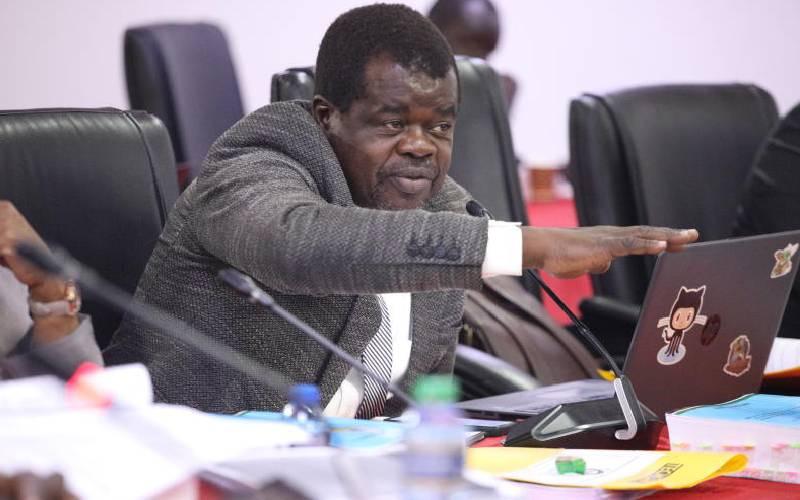
Busia Senator Okiya Omtatah declared his net worth between Ksh.100 million and Ksh.200 million, emphasizing non-monetary campaign strategies for 2027.
A ripple of intrigue spread across Kenya this afternoon, Wednesday, August 6, 2025, as firebrand Busia Senator and 2027 presidential hopeful Okiya Omtatah publicly declared his net worth to be in the range of Ksh.100 million to Ksh.200 million. The announcement, made during a press conference in Nairobi at 2:22 PM East Africa Time, comes amid growing public scrutiny of political leaders’ financial dealings as the nation gears up for the next General Election. Known for his outspoken stance on governance and anti-corruption, Omtatah used the occasion to distinguish himself from other aspirants, insisting that money did not secure his 2022 senatorial victory and will not be the defining factor in his 2027 presidential bid. "I won Busia with ideas, not cash, and that’s how I’ll approach the presidency," he told a room of journalists, his voice steady with conviction. The declaration has sparked a mix of admiration and debate across the country.
Omtatah’s decision to disclose his financial status reflects the intensifying pressure on political figures to demonstrate transparency ahead of the 2027 polls. The range of Ksh.100 million to Ksh.200 million, encompassing assets like property, investments, and savings, places him among Kenya’s wealthier politicians, though modest compared to some high-profile contenders. The senator, a lawyer by profession, attributed his wealth to years of legal practice and prudent financial management, distancing himself from accusations of illicit enrichment. In Kisumu, a teacher preparing lessons for her students listened to the radio and said, "It’s good he’s open, but can he prove it’s clean money?" The move has fueled discussions about the role of wealth in politics, especially as campaign spending escalates.
Public reaction has been diverse, with many welcoming the transparency while questioning its implications. In Mombasa, a shopkeeper serving customers caught the news on a nearby radio, noting, "Most leaders hide their money; this is a change." The 2022 election, where Omtatah secured the Busia Senate seat as an independent, was marked by his grassroots approach, relying on public forums and legal arguments rather than lavish handouts. His assertion that money won’t define 2027 challenges the prevailing trend, where aspirants often distribute cash and goods to sway voters. A farmer in Nakuru, irrigating his fields, remarked, "If he wins without money, it’ll show Kenyans value ideas." The scrutiny of politicians’ finances, heightened by a Sh10 trillion public debt and 5.5% inflation, adds urgency to such declarations.
Omtatah’s press conference outlined his campaign philosophy, emphasizing policy proposals over financial muscle. He highlighted plans to tackle corruption, improve healthcare, and boost agricultural productivity—issues he believes resonate with voters more than monetary incentives. The senator’s 2022 victory, achieved with a slim margin against well-funded opponents, serves as his evidence, though critics argue the presidential race’s scale differs. In Naivasha, a youth leader organizing a community meeting said, "His ideas might work locally, but will they scale nationally?" The declaration has positioned him as a maverick, contrasting with rivals expected to pour millions into campaigns as the election nears.
Communities across Kenya are beginning to weigh the senator’s stance. In rural Kitale, a herder tending cattle heard a radio update and said, "If he’s rich and still fights for us, that’s something." The Ksh.100 million to Ksh.200 million range, while significant, pales beside the billions some politicians are rumored to control, prompting calls for broader asset disclosures. In Eldoret, a student at a cyber cafe scrolled through reactions, adding, "This could force others to show their wealth too." Omtatah’s transparency aligns with his legal battles against government overreach, earning him a reputation as a people’s advocate. A mother in Nyeri, feeding her children, expressed hope, "If he leads with ideas, maybe things will change," she said, clearing the table.
The afternoon’s announcement drew varied responses. In Thika, a father waiting at a clinic said, "My vote went to him last time; I’ll listen again." In Baringo, a community elder leading a discussion noted, "Wealth doesn’t win hearts if the heart isn’t there." The senator’s net worth, detailed as including land in Busia and Nairobi, a modest investment portfolio, and cash savings, was presented with supporting documents, a move to preempt skepticism. Public scrutiny has intensified since the 2022 elections, with citizens demanding accountability amid economic hardship. A health worker in Kisii, coordinating a vaccination drive, added, "This could set a new standard if others follow."
As the day progressed, the story reached remote areas. In Marsabit, a herder listening to a radio broadcast said, "A rich man with ideas is better than a poor man with none." In Mombasa’s markets, a vendor packing fish asked, "Will he keep his word when the big money comes?" Omtatah’s campaign strategy includes town halls and online debates, aiming to engage voters directly rather than through financial inducements. His 2022 success, where he outmaneuvered a divided field with limited funds, bolsters his argument. A youth leader in Naivasha, reflecting on the news, said, "This challenges the old ways; let’s see if it works."
The evening brought a reflective mood to offices and homes. In Eldoret, a public servant preparing a report said, "Ksh.200 million is a lot, but ideas matter more." In Kisumu, a mother checking on her family added, "I hope he’s different from the rest." The senator’s declaration comes as the Ethics and Anti-Corruption Commission (EACC) ramps up asset verification for public officials, a process he has welcomed. Economic pressures, with inflation straining household budgets, make his non-monetary approach a bold gamble. A community organizer in Turkana, planning a radio talk, remarked, "We need leaders who think, not just spend." The move tests voter priorities.
Legal and political analysts see strategic depth. In Nairobi, a lawyer discussing over tea said, "This transparency could build trust, but he must deliver." Omtatah’s wealth, accrued over decades, contrasts with narratives of sudden riches among some peers, though questions linger about its full scope. A vendor in Timau, closing his stall, said, "Let’s see if his ideas beat the cash in 2027." The senator plans to release a policy manifesto next month, aiming to shift focus from finances to governance. A father in Nyahururu, walking home with his family, added, "If he wins with ideas, it’ll be a new era." The declaration marks a pivotal moment.
The evening saw continued engagement across the country. In Nakuru, a group at a market debated the news. "Can he resist the money game?" one trader asked, sorting vegetables. In Nairobi’s cyber cafes, a student scrolling through updates noted, "People are talking about this online." Omtatah’s team plans public forums to reinforce his message, countering rivals’ financial campaigns. A youth leader in Kitale, organizing an event, reflected, "This is a test of our democracy’s maturity." As Kenya approaches 2027, Omtatah’s stance could redefine electoral dynamics.
Former Kiambu Governor Ferdinand Waititu has secured a major bail reprieve from the High Court, with Justice Winfrida Okwany reducing his bail from Sh53.5 million to Sh20 million cash pending appeal in his ongoing corruption case.
President Ruto and Governor Sakaja signed a cooperation agreement allocating funds for 50,000 new streetlights, water plants saving 50 million litres daily, 27 km Nairobi River sewer and ward road upgrades, with Ruto calling it a partnership to make the city livable while opposition senators warn of devolution threats.
A staff member at Moi Teaching and Referral Hospital allegedly stole Sh10 million by falsifying patient bills as paid in the eCitizen system while diverting the money to her personal account, prompting an ongoing police and hospital investigation.