A wave of debate swept through Kenya this afternoon, Wednesday, August 6, 2025, as Members of Parliament voted to reject a motion by Nominated MP Sabina Chege that sought to compel all State officers to seek medical treatment in public hospitals. The decision, finalized during a session at 3:06 PM East Africa Time in the National Assembly, allows State officers to continue accessing treatment in either private or public health facilities, maintaining their existing flexibility. The rejection has left Chege visibly disappointed, with the MP expressing her frustration over the outcome of a proposal she believed would strengthen the public health system. "I am saddened that my colleagues chose not to support a move that would have shown solidarity with ordinary Kenyans," she said outside Parliament, addressing a small group of supporters. The vote has ignited a flurry of reactions across the nation, blending relief and criticism.
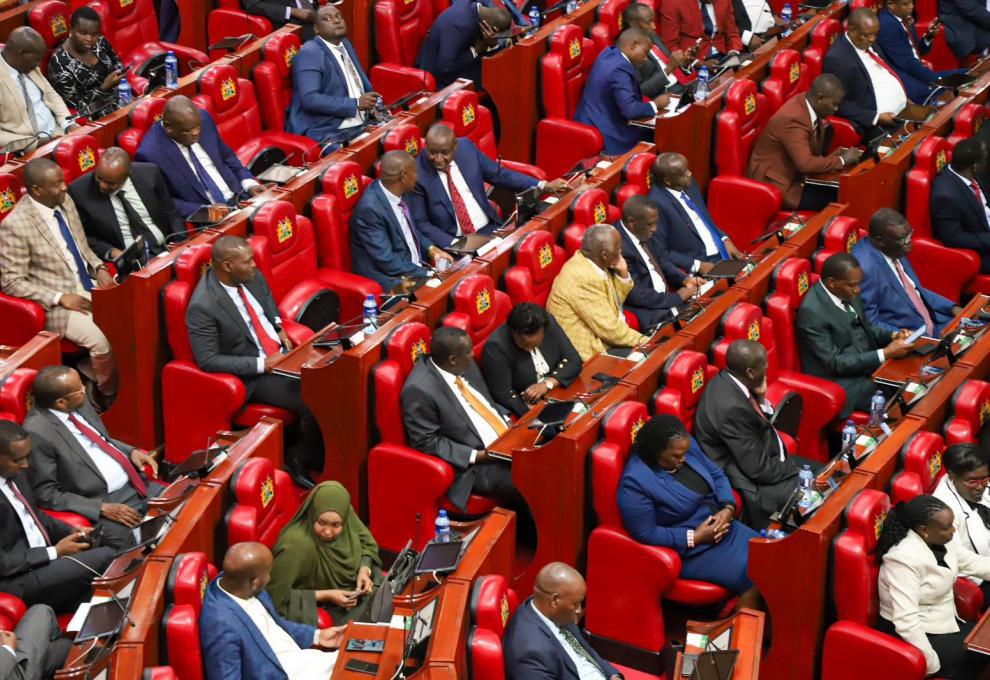
Chege’s motion, tabled last week, aimed to address long-standing disparities in healthcare access, arguing that State officers—ranging from Cabinet Secretaries to Members of Parliament—should experience the same public health services as the average citizen. The proposal was rooted in concerns over the quality of public hospitals, which often face overcrowding, underfunding, and shortages of medicine, issues exacerbated by a Sh10 trillion public debt and 5.5% inflation. In Kisumu, a teacher preparing lessons for her class listened to the radio and said, "If leaders used our hospitals, maybe they’d fix them faster." The rejection, however, suggests a preference among MPs to retain their current options, a decision that has sparked mixed sentiments among the public.
Public response has been varied, with some applauding the outcome while others lament the missed opportunity. In Mombasa, a shopkeeper serving customers caught the news on a radio broadcast, noting, "I’m glad they didn’t force it; private care saved my life once." The motion faced opposition from several lawmakers who argued it infringed on personal choice and could deter qualified individuals from public office due to health concerns. Supporters of Chege, however, saw it as a symbolic gesture to align leaders’ experiences with those of constituents struggling with public healthcare. A farmer in Nakuru, irrigating his fields, remarked, "Leaders should feel what we feel; this vote disappoints me." The debate reflects broader tensions over equity in a nation where healthcare access remains uneven.
The parliamentary session saw heated exchanges, with Chege presenting data on the high cost of private treatment for State officers, often funded through public allowances, while public hospitals languish. Her motion proposed a phased transition, starting with elective procedures, to ease the burden on private facilities and signal commitment to improving public health. Opponents, including MPs from the ruling coalition, countered that such a mandate could compromise leaders’ health, especially during emergencies, and lacked a clear implementation framework. In Naivasha, a youth leader organizing a community meeting said, "This could have pushed for better hospitals, but I see their point too." The vote, passing 145 to 98, underscored a divided house.
Communities across Kenya are beginning to process the decision’s implications. In rural Kitale, a herder tending cattle heard a radio update and said, "If leaders don’t use our hospitals, who will care about them?" The rejection means State officers can continue accessing private hospitals like Nairobi Hospital or Aga Khan, where they often receive specialized care unavailable in public settings. Chege’s disappointment was palpable as she cited cases of patients dying in public wards due to neglect, a plight she hoped her motion would address. In Eldoret, a student at a cyber cafe scrolled through reactions, adding, "This shows they’re out of touch with us." A mother in Nyeri, feeding her children, expressed frustration, "They should try our hospitals for a day," she said, clearing the table.
The afternoon’s vote drew diverse responses. In Thika, a father waiting at a clinic said, "My MP goes private; I wish he’d feel our struggle." In Baringo, a community elder leading a discussion noted, "This keeps the gap wide between us and them." Chege’s motion had gained traction among civil society groups advocating for universal healthcare, but the parliamentary majority favored maintaining status quo, citing practical challenges like security and scheduling conflicts for State officers. A health worker in Kisii, coordinating a vaccination drive, added, "Public hospitals need help, but forcing leaders might not be the way." The outcome highlights ongoing debates about leadership accountability.
As the day progressed, the story reached remote areas. In Marsabit, a herder listening to a radio broadcast said, "Our leaders should know our pain in those queues." In Mombasa’s markets, a vendor packing fish asked, "Will they ever care if they don’t use our hospitals?" Chege plans to regroup with supporters to refine her approach, possibly proposing incentives for State officers to opt for public facilities voluntarily. The vote’s timing, amid a push for the Social Health Insurance Fund, adds context, with some seeing it as a missed chance to align policy with public sentiment. A youth leader in Naivasha, reflecting on the news, said, "This could have been a turning point for health."
The evening brought a reflective mood to offices and homes. In Eldoret, a public servant preparing a report said, "Keeping options open makes sense, but it avoids the real issue." In Kisumu, a mother checking on her family added, "My sister waits months for surgery; leaders should see that." The rejection does not preclude future motions, with Chege hinting at revisiting the idea with stronger evidence. Economic pressures, including funding healthcare amid inflation, underscore the need for solutions, though the vote suggests a preference for gradual reform. A community organizer in Turkana, planning a radio talk, remarked, "We need leaders in our hospitals, not just their promises."
Legal and health experts see a missed opportunity. In Nairobi, a lawyer discussing over tea said, "This could have tested the Constitution’s equality clause." The motion’s defeat leaves State officers free to choose, a decision some attribute to self-interest given their access to generous medical allowances. A vendor in Timau, closing his stall, said, "Let’s hope they improve public care anyway." Chege’s next steps may involve public petitions to pressure lawmakers, a strategy she has used effectively in the past. A father in Nyahururu, walking home with his family, added, "If they won’t join us, at least fund our hospitals." The vote marks a moment of divergence.
The evening saw continued engagement across the country. In Nakuru, a group at a market debated the news. "Are they afraid of our hospitals?" one trader asked, sorting vegetables. In Nairobi’s cyber cafes, a student scrolling through updates noted, "People are split on this decision." The Ministry of Health has yet to comment, but the issue is likely to resurface as healthcare remains a key election issue. A youth leader in Kitale, organizing an event, reflected, "This shows we need more than motions to change things." As Kenya navigates this health policy debate, Chege’s disappointment signals a call for renewed advocacy.