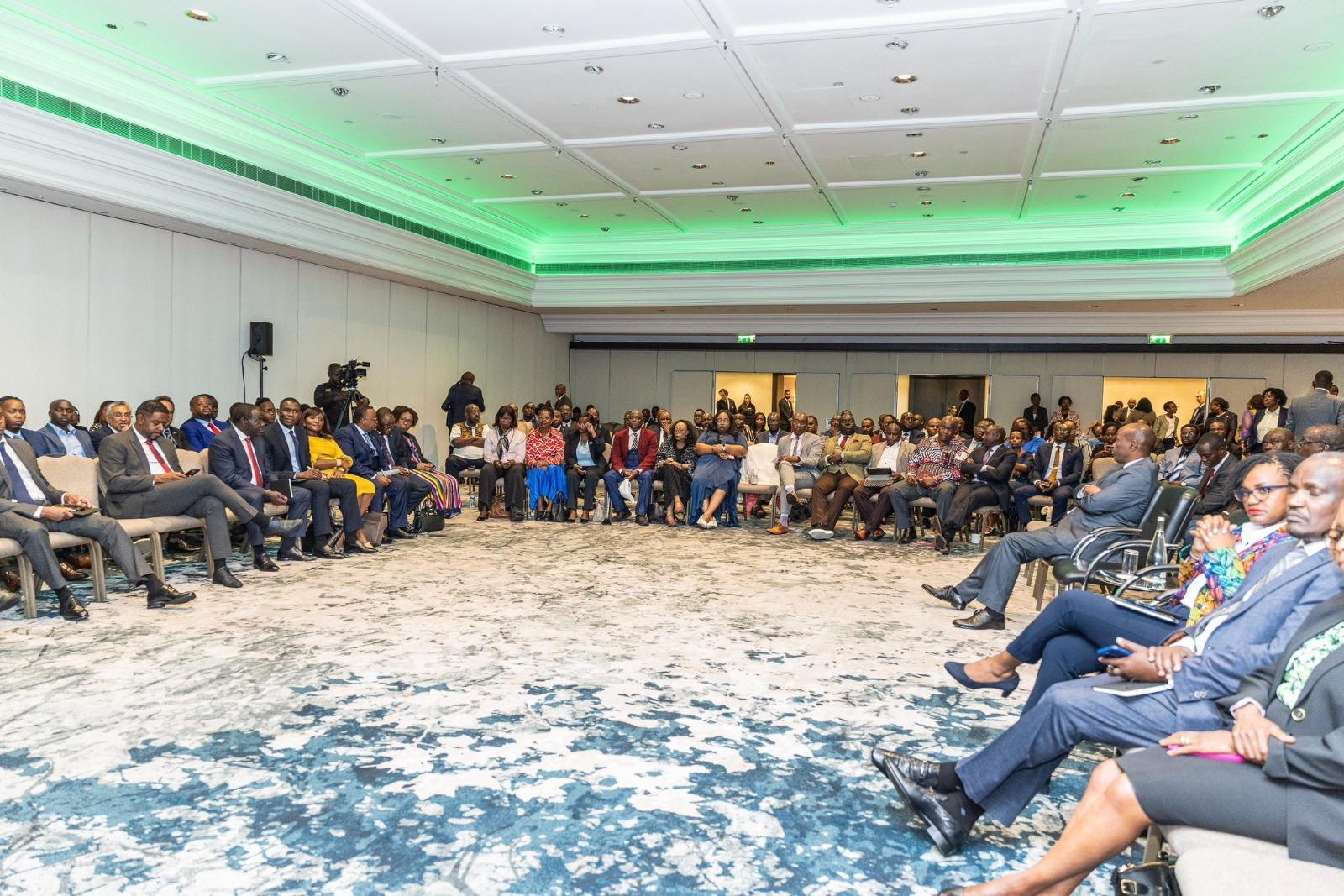
President William Ruto addressed Kenyans in London, passionately defending the Social Health Authority, Kenya’s ambitious universal healthcare scheme launched in October 2024 to replace the National Hospital Insurance Fund. Speaking to a gathering of the Kenyan diaspora, Ruto highlighted the program’s achievements, stating that it has served over 4.9 million people in just eight months, surpassing the performance of its predecessor. “Our Social Health Authority is working,” Ruto declared. “In eight months, the transformative medical scheme has served more than 4.9 million people, way above what NHIF would have managed.” He also issued a stern warning against corruption, vowing that those undermining the scheme through fraudulent practices would face severe consequences, as his administration has already shut down over 1,000 facilities involved in malpractice.
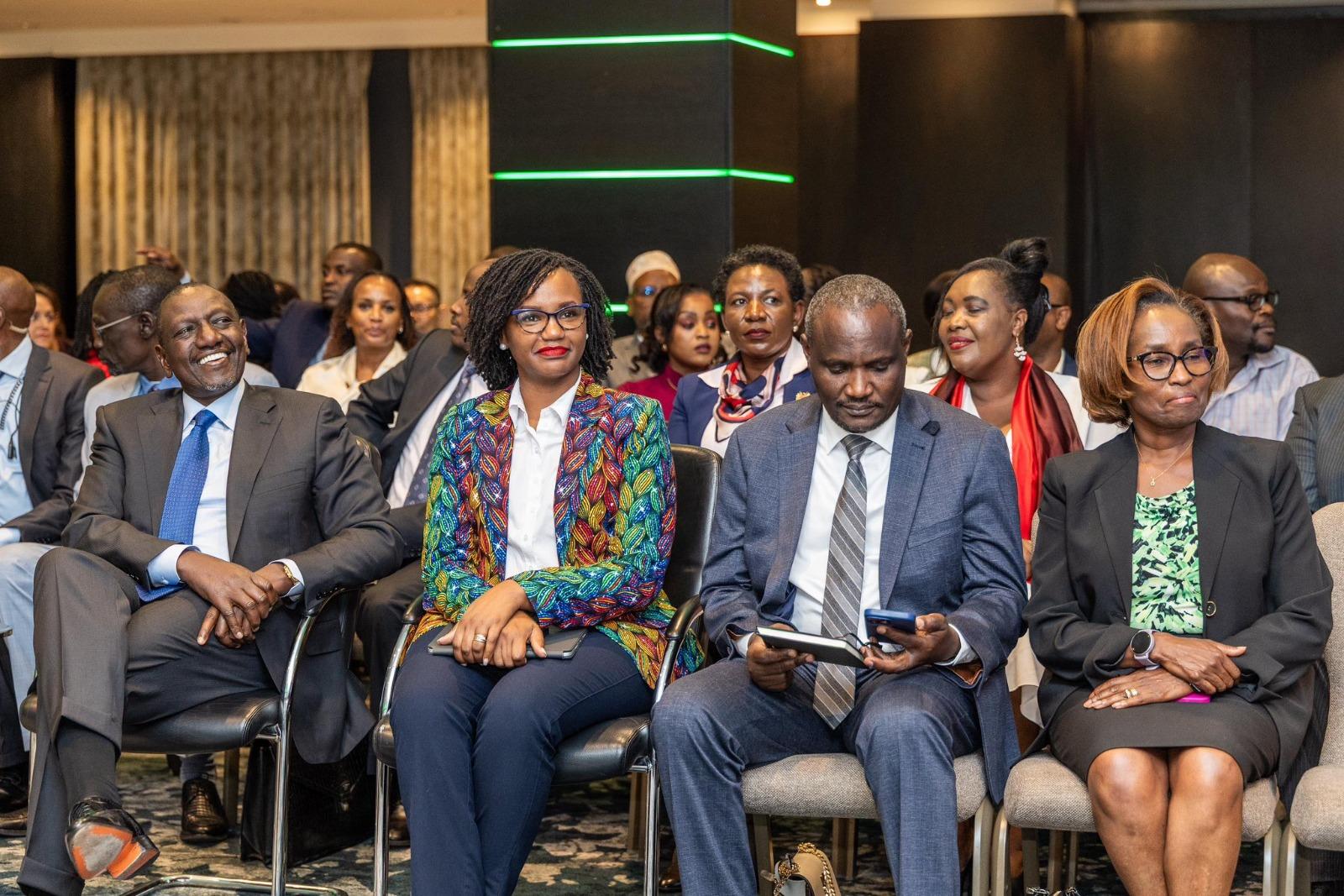
The Social Health Authority, a cornerstone of Ruto’s 2022 election promise to achieve universal healthcare by 2030, aims to provide affordable and accessible medical services to all Kenyans, regardless of their financial status. The scheme, supported by the Social Health Insurance Act, requires salaried workers to contribute 2.75 percent of their gross income, with a minimum of KES 300 for unemployed individuals. It operates through three funds: the Primary Healthcare Fund, the Social Health Insurance Fund, and the Emergency, Chronic, and Critical Illness Fund. “This is about ensuring no Kenyan is left behind,” Ruto said in London. “We’re building a system that’s people-centered and sustainable.” The program’s rollout, however, has faced significant hurdles, including technical glitches, unpaid debts from the NHIF era, and public skepticism about its financial design, prompting Ruto’s robust defense abroad.
The transition from the NHIF, long plagued by corruption and inefficiencies, to the Social Health Authority has been fraught with challenges. Reports indicate that only a fraction of the 19.3 million registered members as of February 2025 were contributing regularly, due to flaws in the scheme’s funding model. Health facilities have threatened to exit the program over unpaid claims, some inherited from the NHIF, which accumulated significant debts due to mismanagement. “The NHIF was a mess,” said a Nairobi-based health economist, Jane Mwangi. “But SHA’s teething problems are testing public trust.” In response, Ruto emphasized efforts to address these issues, including disbursing funds to clear legacy debts and improving digital systems to enhance efficiency. “We’re tackling corruption head-on,” he said. “The criminal elements staining SHA will not succeed.”
Ruto’s London remarks followed a June 29 statement by Health Cabinet Secretary Aden Duale, who warned that individuals and institutions engaging in fraud would face swift legal action. “We’ve uncovered malpractice involving facilities, workers, and even patients,” Duale said, describing such acts as a betrayal of public trust. The government’s crackdown has led to the closure of over 1,000 health facilities found guilty of fraudulent claims, a move Ruto highlighted as evidence of his administration’s commitment to transparency. “We’ve tracked and closed these facilities, and more are on the way,” he told the diaspora audience. “Our health program must remain efficient and incorruptible.”
The Social Health Authority’s rollout has not been without controversy. A recent Auditor General’s report criticized the scheme for unbudgeted procurements, non-competitive tendering, and unclear payment agreements, raising concerns about oversight. “The government neither owns nor controls the system fully,” said a Mombasa-based healthcare worker, echoing the report’s findings. “This limits accountability.” Public frustration, amplified on platforms like X, has focused on the 2.75 percent salary deduction, seen by many as burdensome amid a 5.6 percent inflation rate and rising living costs. “I’m paying more, but I’m not sure I’ll get better care,” said Peter Kamau, a teacher in Nakuru. Posts on X have questioned Ruto’s claims, with some users alleging inflated registration figures, though the government insists 20.8 million Kenyans were enrolled by April 2025.
Despite these challenges, Ruto’s administration remains committed to the scheme’s vision. The Social Health Authority has introduced innovations like Taifa Care, a digital platform designed to streamline healthcare access and eliminate fraud. Unlike the NHIF, which required a three-month waiting period for eligibility, Taifa Care allows immediate access upon registration. “This is a game-changer,” said Health Ministry official Mary Rotich. “Kenyans can walk into a dispensary or hospital and get free primary care or emergency services without delay.” The government has also deployed over 100,000 community health promoters to boost grassroots healthcare access, a move Ruto touted in London as part of Kenya’s transformative journey.
The president’s defense of the SHA comes amid broader economic and political pressures. The 2024 anti-Finance Bill protests, driven by discontent over new taxes like the 1.5 percent housing levy, underscored public sensitivity to additional financial burdens. Critics argue that the SHA’s mandatory contributions exacerbate the cost-of-living crisis, a concern Ruto acknowledged but dismissed as temporary. “There might be teething problems, but this is the biggest program we have,” he said in a March speech. “It will settle, and every Kenyan will benefit.” The government has promised to cover contributions for those unable to pay, though details on implementation remain vague, fueling skepticism among low-income households.
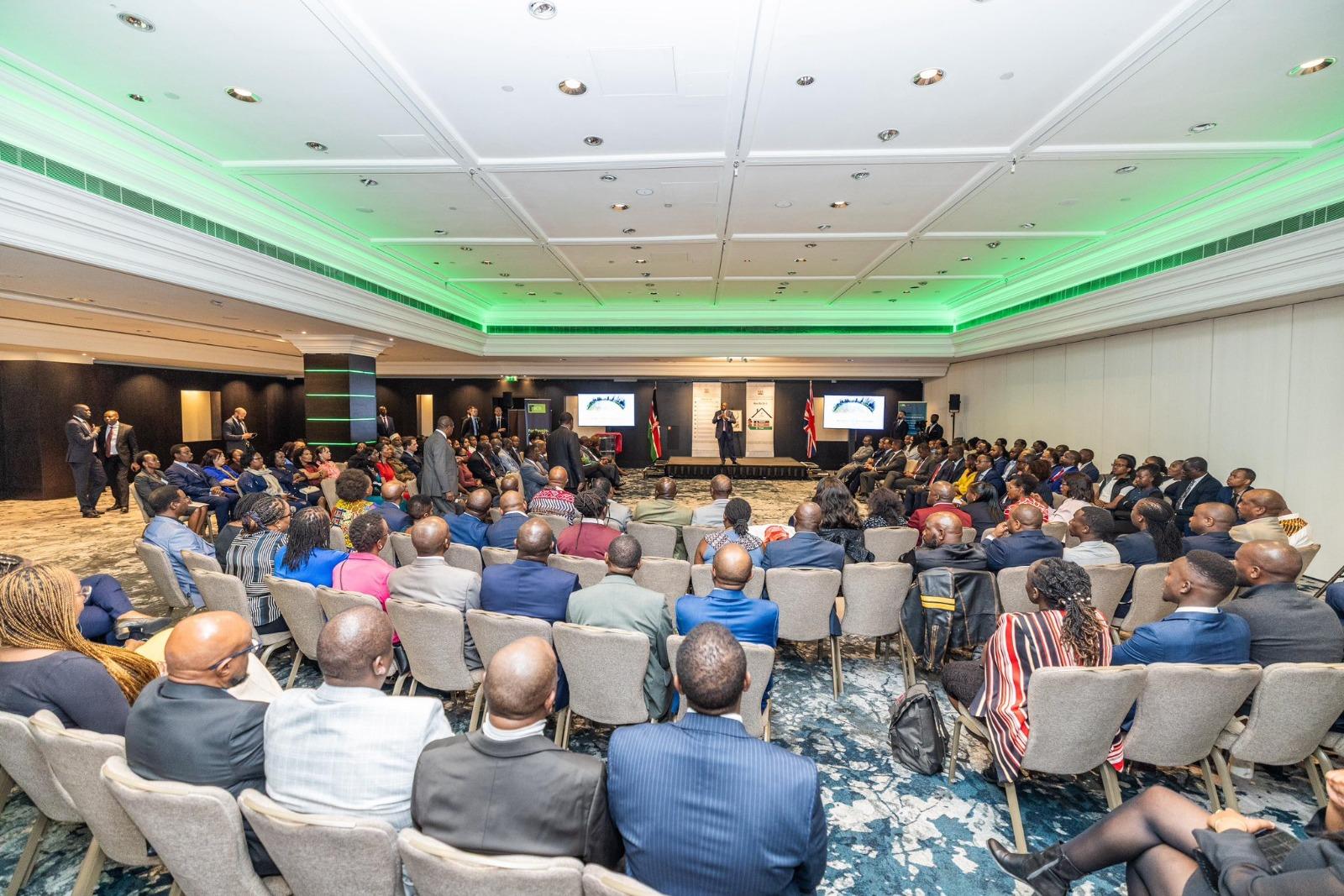
In London, Ruto also addressed the diaspora’s role in supporting Kenya’s development, urging them to advocate for the SHA and other initiatives. “You’re our ambassadors,” he told the audience. “Tell the world Kenya is building a healthcare system that’s a shining example.” The diaspora event, attended by professionals and community leaders, highlighted Ruto’s broader agenda, including affordable housing and agricultural reforms. He emphasized unity, referencing his formation of a broad-based government to include all regions and communities. “We’re moving forward together,” he said, dismissing critics as detractors focused on “sideshows.”
The SHA’s implementation has drawn comparisons to past healthcare reforms, such as the Linda Mama program, which provided free maternity services. “The SHA builds on those successes but goes further,” said Rotich, noting its focus on preventive care and chronic illness support. However, civil society groups, including the Kenya Faith Based Health Services Consortium, have raised concerns about the scheme’s affordability and administrative costs. “The 2.75 percent deduction hits large households hard,” said a consortium spokesperson. “We need more public education and simpler enrollment processes.” The government has responded by promising to review the scheme, with Ruto assuring stakeholders in November 2024 that problematic issues would be resolved.
The SHA’s challenges are compounded by Kenya’s devolved healthcare system, where counties struggle with medicine shortages and understaffed facilities. “Counties need more support to make SHA work,” said Esther Naserian, a nurse in Kilifi. “We’re seeing patients turned away because of system glitches.” Ruto has acknowledged these issues, committing to disburse Sh387 billion in shared revenues to counties to improve service delivery. During his London speech, he highlighted joint efforts with county governments to implement the National Equipment Service Program, which allows facilities to access medical equipment without upfront costs. “No county is forced to sign contracts,” he clarified, addressing allegations of coercion raised by some governors.
The SHA’s long-term success hinges on addressing these operational and public perception challenges. “It’s a bold vision, but execution is everything,” said Mwangi. “The government must build trust by clearing debts and fixing technical issues.” Ruto’s administration has projected increased healthcare funding to support human resource development and infrastructure, creating opportunities for private sector investment in medical equipment and digital health solutions. “This is about partnerships,” Ruto said in London. “The private sector can help us deliver quality care while creating jobs.”
As Kenya navigates the SHA’s turbulent rollout, Ruto’s commitment to a corruption-free system remains a central theme. His administration’s crackdown on fraudulent facilities and promise of continuous improvements signal a determination to make universal healthcare a reality. “We’re not perfect, but we’re focused,” he told the diaspora. “This is about giving every Kenyan dignity through accessible healthcare.” With the 2027 elections looming, the SHA’s success could define Ruto’s legacy, but only if it delivers tangible benefits to a skeptical public. For now, his London defense underscores a resolve to push forward, despite the obstacles, in pursuit of a healthier, more inclusive Kenya.