Former Kenyan Deputy President Rigathi Gachagua arrived in Boston, Massachusetts, as part of a two-month tour of the United States aimed at engaging the Kenyan diaspora and rallying their support for nation-building efforts. Accompanied by his wife, Pastor Dorcas Gachagua, he was warmly received at Logan International Airport by members of the Kenyan community, led by diaspora chairman David Gikonyo. The visit, which followed engagements in Seattle, Washington, marks a significant step in Gachagua’s post-impeachment political strategy, as he seeks to reconnect with Kenyans abroad and consolidate support ahead of the 2027 General Election.
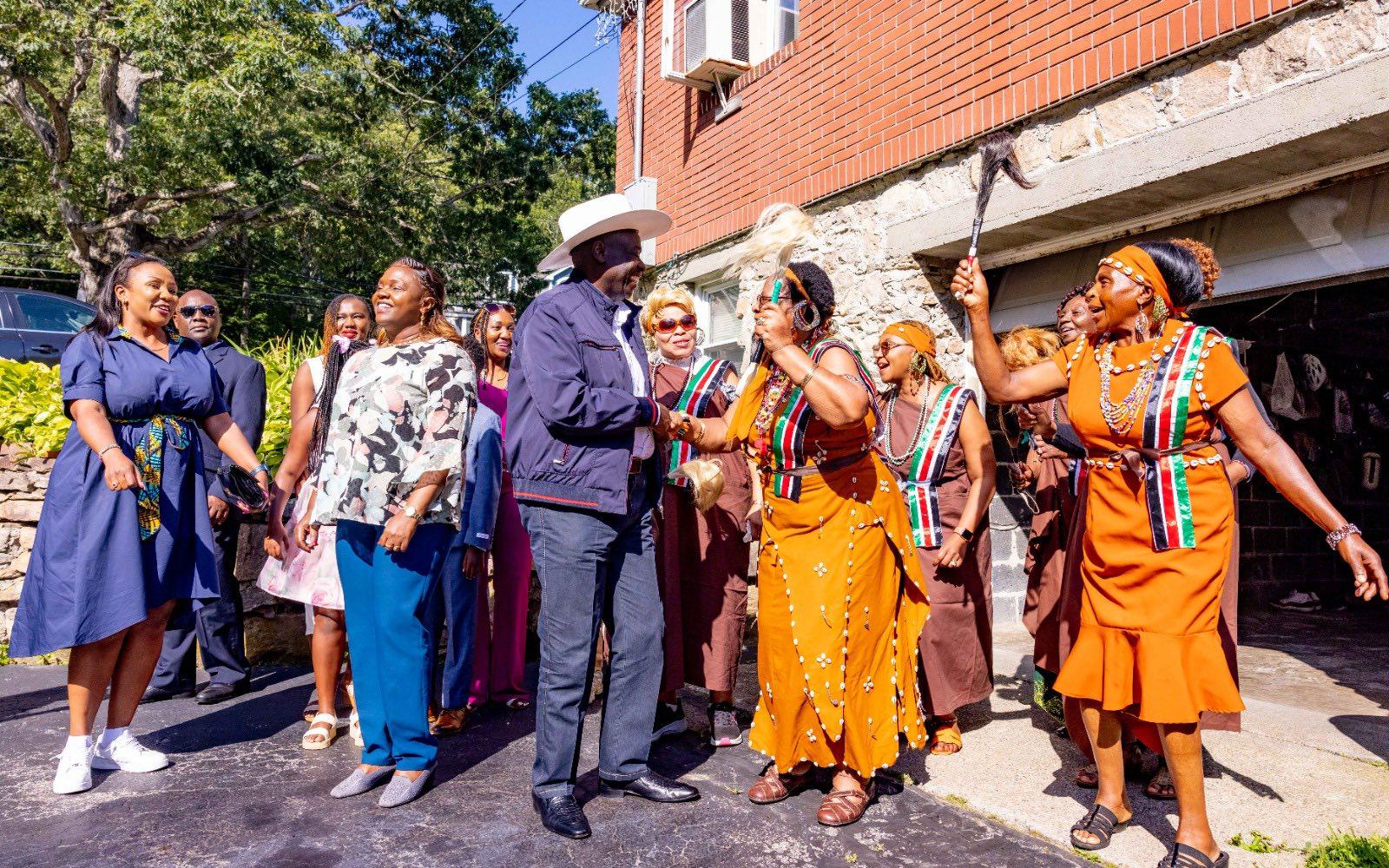
His message in Boston centered on harnessing the diaspora’s potential to drive Kenya’s economic and political transformation, while addressing the country’s challenges and fostering unity among Kenyans globally.
A Warm Welcome in Boston
Gachagua’s arrival in Boston on July 17 was met with enthusiasm from the Kenyan diaspora, who gathered to welcome him and his wife at the airport. In a post on X, Gachagua expressed gratitude for the warm reception, stating, “In the company of my Spouse @Pastor_Dorcas, we arrived in Boston to meet Kenyans who live and work here. We will discuss matters Kenya and bring our minds together on how to make our country better again.” This marked his first international trip since his impeachment in October 2024, a period that saw him transition from a key figure in the Kenya Kwanza administration to the leader of the Democracy for Citizens Party (DCP).
The Boston visit followed a series of engagements in Seattle, where Gachagua had launched a satellite office for the DCP and participated in cultural events like Ngemi Cia Ruraya, a gathering of the Kikuyu community. His itinerary in the U.S., which includes planned stops in Dallas, California, and Baltimore, reflects a deliberate effort to engage with Kenyan communities across the country. In Boston, he held multiple meetings, including a significant discussion with the diaspora business community, emphasizing their critical role in Kenya’s economic growth.
On July 19, 2025, Gachagua met with Kenyan business leaders in Boston and Worcester, Massachusetts, to discuss the diaspora’s contributions to Kenya’s economy. He highlighted the significance of diaspora remittances, which have become the country’s largest source of foreign exchange, surpassing traditional exports like tea, coffee, and tourism. According to Central Bank of Kenya (CBK) data, remittances reached a record $4.94 billion (Ksh640.75 billion) in 2024, with the United States contributing 51% of the total inflows. Gachagua underscored this point, stating, “The current highest foreign exchange comes from diaspora remittances... This highlights the crucial role our diaspora community plays in our nation’s economic growth and development.”
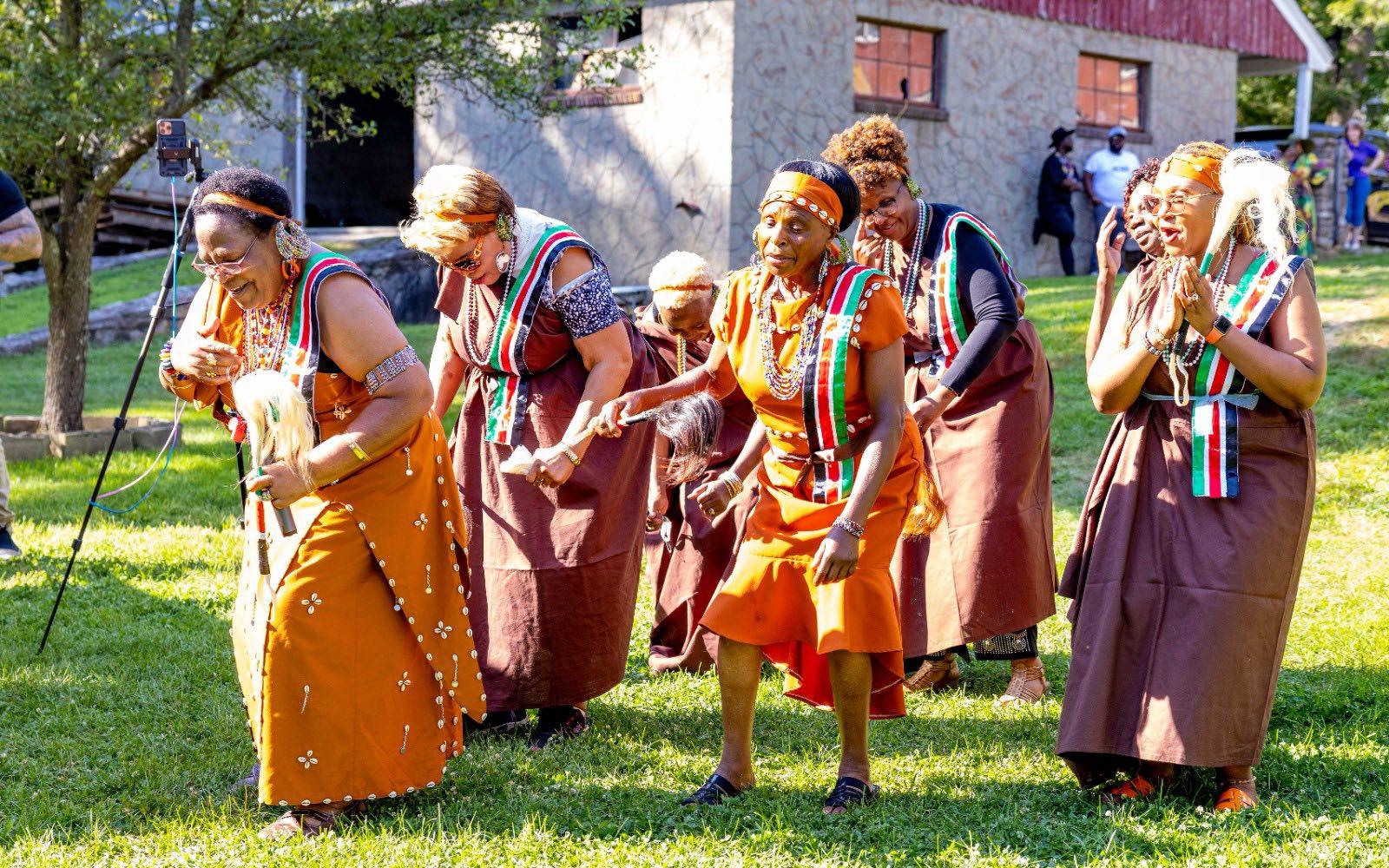
During these discussions, Gachagua praised the entrepreneurial spirit of the Kenyan diaspora, particularly those from the Mount Kenya region, whom he claimed constitute approximately 80% of Kenyans in the U.S. He described the Mount Kenya community as “inherently aggressive and resilient in matters of entrepreneurship,” noting their presence in every Kenyan town and their success abroad. This assertion, however, sparked controversy, with critics accusing Gachagua of promoting tribalism—a charge he vehemently denied.
Addressing Tribalism Accusations
Gachagua’s emphasis on the Mount Kenya community drew criticism from some Kenyan politicians, including Prime Cabinet Secretary Musalia Mudavadi, who accused him of “exporting tribalism” by addressing diaspora audiences in his local dialect. Speaking in Kajiado County on July 19, Mudavadi argued that such actions were divisive, stating, “A person who has been a DP in this country, when you say you want to address people living in the diaspora in your local dialect, then you are exporting tribalism.”
In response, Gachagua dismissed these accusations during his Boston engagements on July 20, asserting that his outreach was aimed at fostering unity across Kenyan communities. He pointed to his cross-ethnic alliances and his use of the term “cousin” when referring to other communities, such as the Abagusii in Seattle, as evidence of his inclusive approach. “You have seen since I came here; they are all in a panic. I heard Musalia accusing me of exporting tribalism to America because I am simply talking to my people. Let them also talk to their people,” he said, emphasizing the global unity of the Kikuyu community and rejecting claims of divisiveness.
This exchange highlights the polarized nature of Kenyan politics, with Gachagua’s tour becoming a flashpoint for debates about ethnic identity and national unity. His focus on the Mount Kenya region, a key political and economic powerhouse, underscores its significance in shaping Kenya’s future, but it also risks alienating other communities if perceived as exclusionary.
Political Strategy and the 2027 Election
Gachagua’s U.S. tour is widely seen as a strategic move to rebuild his political base following his impeachment in October 2024, which stemmed from allegations of abuse of office and gross misconduct. His ouster marked a public falling-out with President William Ruto, with whom he has since ruled out any possibility of dialogue. In Seattle, Gachagua, alongside People’s Liberation Party leader Martha Karua, dismissed suggestions of negotiations with the Kenya Kwanza administration, stating that the only meaningful engagement would be the 2027 general election.
In Boston, Gachagua continued to position himself as a champion of the Kenyan people, particularly those disillusioned with the current administration. He accused President Ruto of undermining the Mount Kenya region, claiming that this hostility has contributed to Kenya’s economic challenges. “Since Ruto declared war on Mt Kenya, the economy has been collapsing,” he told the Kikuyu diaspora in Boston, arguing that many from the region have reduced tax payments and investments due to political instability. This narrative aligns with his party’s slogan, Skiza Wakenya (Listen to Kenyans), which emphasizes responsiveness to public concerns.
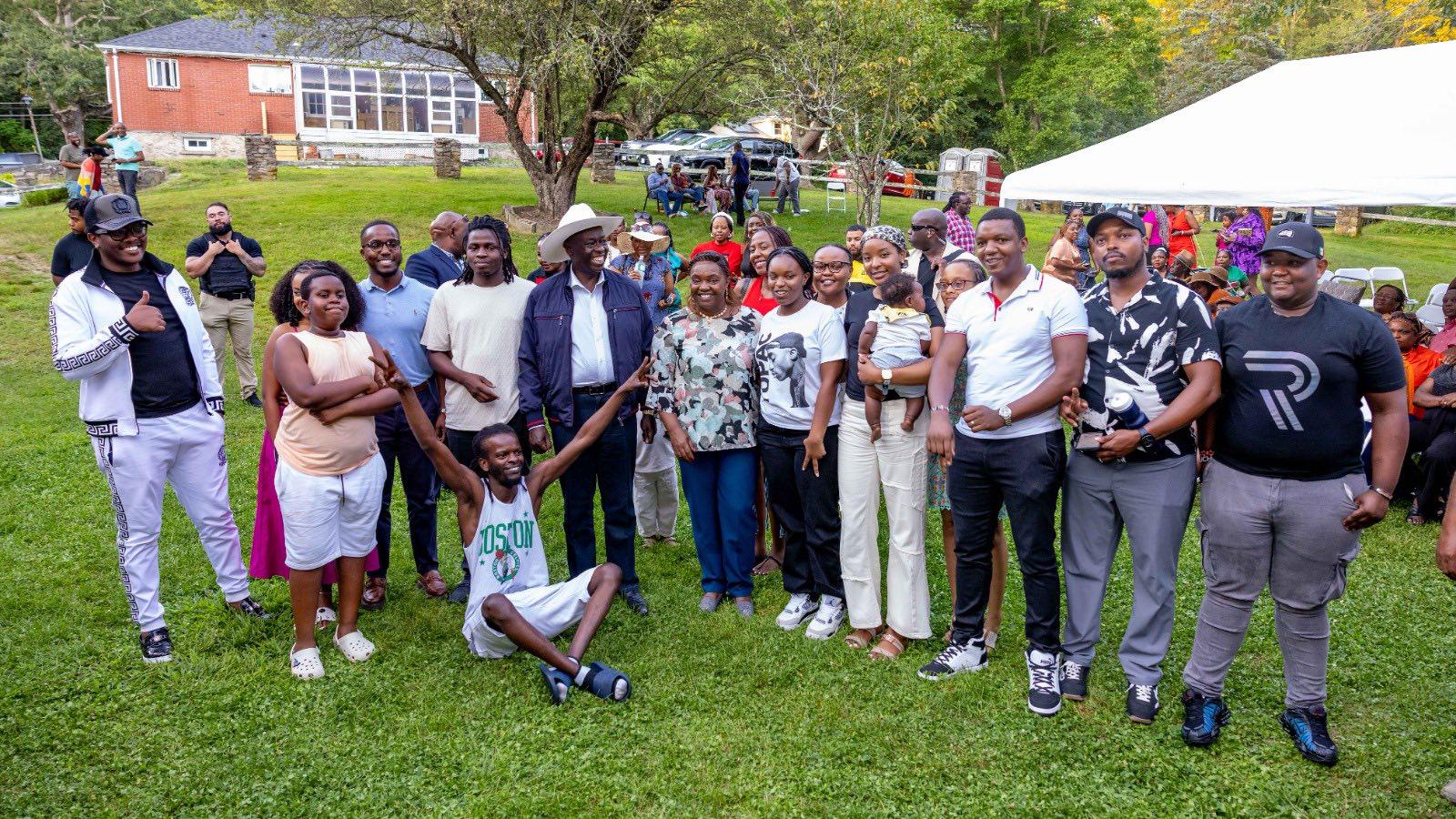
By engaging the diaspora, Gachagua is tapping into a powerful constituency. A 2023 study from the Journal of Ethnic and Migration Studies indicates that 15% of Kenyan diaspora remittances fund political activities, suggesting that expatriates wield significant influence in shaping Kenya’s political landscape. Gachagua’s tour, with its focus on town hall discussions, cultural events, and political messaging, aims to harness this influence to bolster his DCP and build momentum for 2027.
Nation-Building and Economic Transformation
A central theme of Gachagua’s Boston engagements was the role of the diaspora in nation-building. In his July 20 address, he described the Kenyan diaspora as “a powerful force for sustainable development,” urging them to continue contributing to Kenya’s economic transformation. He highlighted the cultural bonds that unite Kenyans globally, noting, “The amazing Kenyan culture makes a Kenyan anywhere feel at home.” This message resonated with attendees, who appreciated the opportunity to discuss Kenya’s challenges and aspirations with a prominent political figure.
Gachagua also addressed broader national issues, including economic instability and rising public debt. He argued that the diaspora’s remittances, which grew by 18% in 2024, play a critical role in stabilizing Kenya’s exchange rate and supporting the current account. By engaging with business leaders and community members, he sought to foster a sense of shared responsibility for Kenya’s future, encouraging the diaspora to invest in sustainable development initiatives.
Challenges and Controversies
Despite the positive reception in Boston, Gachagua’s tour has not been without challenges. His claims about state-sponsored violence targeting the Mount Kenya region, made before his departure on July 9, have fueled tensions with the Ruto administration. Gachagua alleged that looting and vandalism during the Saba Saba protests were orchestrated by a state-backed militia, with President Ruto and Kikuyu MP Kimani Ichung’wah complicit in the violence. These accusations, coupled with his call for Ruto to be held accountable by the International Criminal Court, have intensified political divisions in Kenya.
Additionally, Gachagua’s focus on the Mount Kenya community has raised concerns about ethnic polarization. While he defends his outreach as a celebration of cultural identity, critics argue that it risks deepening divisions in a country with a history of ethnic-based political conflicts. His claim that 80% of Kenyans in the U.S. are from Mount Kenya, while highlighting the region’s influence, may alienate other communities who feel excluded from his vision of nation-building.
Looking Ahead
As Gachagua continues his U.S. tour, his engagements in Boston have set the tone for his broader mission: to rally the Kenyan diaspora around a shared vision for Kenya’s future. His emphasis on economic contributions, political reform, and cultural unity resonates with many Kenyans abroad, who see themselves as vital stakeholders in their homeland’s development. However, his approach must navigate the delicate balance between celebrating regional identity and fostering national cohesion.
With further stops planned in Dallas, California, and Baltimore, Gachagua’s tour is a critical step in his political comeback. By leveraging the diaspora’s economic and political influence, he aims to build a formidable base for the 2027 election. Yet, the controversies surrounding his rhetoric and the challenges of uniting a diverse nation will test his ability to translate diaspora support into tangible political capital.
In Boston, Gachagua’s message was clear: the Kenyan diaspora is a cornerstone of nation-building, and their contributions are essential for Kenya’s economic and political revival. As he concluded his engagements on July 20, he left the community with a call to action: “Together, we can harness the full potential of our diaspora as a powerful force for sustainable development.” Whether this vision will unify or divide remains to be seen, but Gachagua’s Boston visit has undoubtedly reaffirmed his commitment to shaping Kenya’s future from both within and beyond its borders.