President William Ruto has showcased progress in healthcare, affordable housing, and major infrastructure developments in Nyandarua County, reaffirming his administration’s commitment to improving livelihoods.
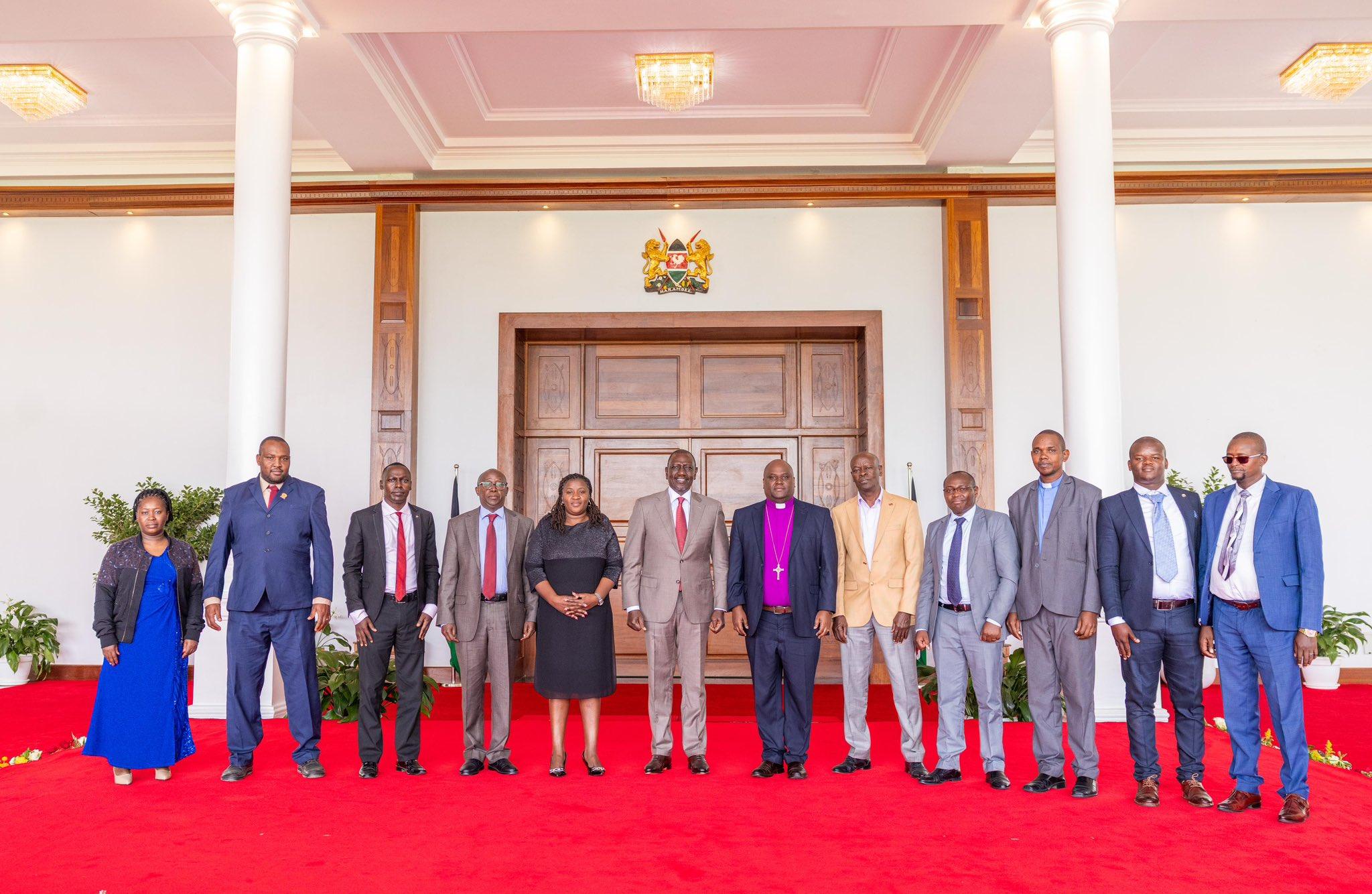
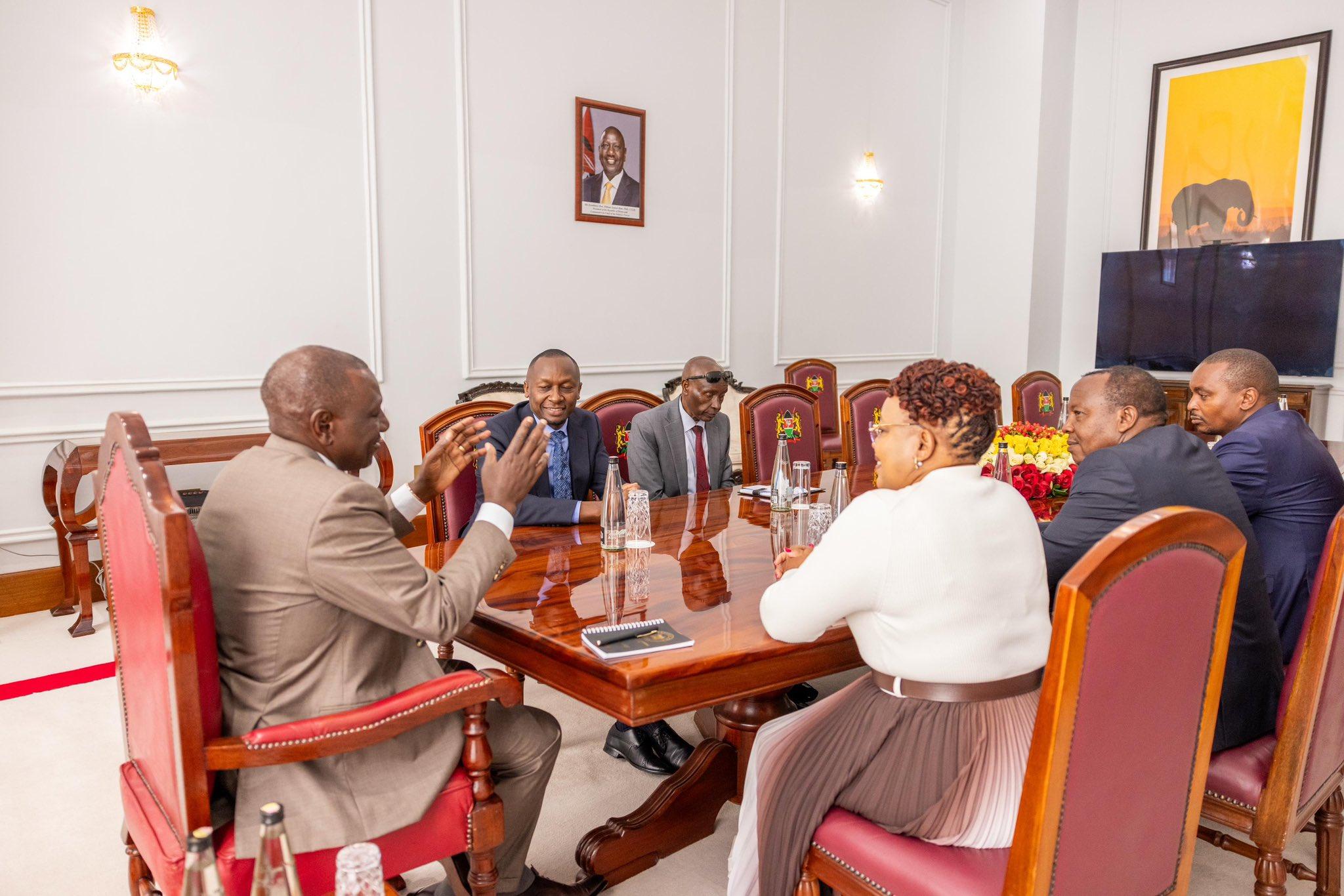
In the heart of Kenya’s Central Highlands, Nyandarua County is witnessing a transformative wave of development under President William Ruto’s ambitious Bottom-Up Economic Transformation Agenda (BETA). From state-of-the-art healthcare facilities to affordable housing projects and robust infrastructure upgrades, Ruto’s administration is channeling significant resources into Nyandarua, a region long known for its agricultural prowess but historically underserved in terms of modern amenities. As the President recently met with Nyandarua MPs at State House Nairobi to discuss flagship projects, the spotlight has turned to the county’s mega initiatives, which promise to reshape its socio-economic landscape.
One of the cornerstone projects in Nyandarua is the expansion of JM Kariuki Memorial Hospital, a critical healthcare facility serving thousands of residents. President Ruto’s recent discussions with Nyandarua leaders underscored the government’s commitment to completing this project, with the Kenya Defence Forces (KDF) tasked to oversee its timely execution. The national government has pledged KSh800 million to finalize the hospital’s new wing, a move aimed at enhancing access to specialized medical care and broadening treatment options for the county’s population.
The expansion of JM Kariuki Hospital is part of Ruto’s broader push to achieve Universal Health Coverage (UHC) through the newly established Social Health Authority (SHA), which replaced the National Health Insurance Fund (NHIF) in October 2024. Speaking during a visit to Nyandarua in April 2025, Ruto emphasized, “Healthcare is one of our top priorities. The expansion of JM Kariuki Memorial Hospital will enhance access to specialized medical care, improve patient services, and broaden treatment options for the people of Nyandarua.”
The hospital’s upgrade includes modern diagnostic equipment, expanded wards, and specialized units to handle complex medical cases, reducing the need for residents to travel to Nairobi or other major cities for treatment. Local leaders, including Nyandarua Governor Kiarie Badilisha, have hailed the project as a game-changer, noting that it addresses long-standing gaps in healthcare delivery. The involvement of the KDF, known for its efficiency in project execution, has instilled confidence that the hospital will be completed within the stipulated timeline, with a target operational date set for mid-2026.
However, challenges remain. The project faced delays due to funding constraints, with the national government failing to honor a previous KSh500 million pledge. Economists have also raised concerns about the sustainability of healthcare funding under SHA, citing the need for transparent allocation of resources to avoid overburdening taxpayers. Despite these hurdles, the hospital’s expansion is a tangible step toward Ruto’s promise of equitable healthcare access, aligning with his administration’s goal of reducing out-of-pocket medical expenses for Kenyans.
Nyandarua’s development agenda also prominently features the Affordable Housing Programme (AHP), a flagship initiative under BETA aimed at addressing Kenya’s housing deficit while creating jobs and stimulating economic growth. During his January 2024 visit to Ol’Kalou, President Ruto announced plans to launch an affordable housing project in the county, pending the securing of suitable land. Governor Badilisha expressed optimism about the initiative, noting that it aligns with the aspirations of Nyandarua residents to own decent, affordable homes.
The AHP in Nyandarua is part of Ruto’s ambitious target to construct 1 million housing units nationwide by 2027, with an annual goal of 200,000 units. The program has already gained traction in other counties, with notable successes in Nairobi’s Mukuru, where Ruto handed over 1,080 units in May 2025, describing it as “the most consequential moment of my political career.” In Nyandarua, the proposed housing project aims to provide rent-to-own homes for low-income earners, with monthly payments as low as KSh3,000, making homeownership accessible to farmers, traders, and youth.
The National Housing Corporation (NHC), rebranded in May 2024 to align with Ruto’s housing vision, is spearheading the AHP in Nyandarua alongside other counties like Embu, Kirinyaga, and Homa Bay. The NHC plans to deliver 110,000 units nationwide by 2028, with Nyandarua poised to benefit significantly. The program’s innovative financing model, which includes mobilizing KSh353.9 billion from internal and external sources, aims to ensure sustainability. Additionally, the housing levy—deducting 1.5% from employees’ salaries matched by employers—has generated over KSh88.7 billion by December 2024, though it remains controversial due to public skepticism and legal challenges.
Critics argue that the AHP’s model imposes unnecessary costs on taxpayers, with funds being diverted to Treasury bills rather than direct construction. Land disputes and missing title deeds for project sites have also posed challenges, as seen in other regions like Nairobi’s Jeevanjee land controversy. In Nyandarua, the government is working with county authorities to resolve land allocation issues, with Ruto promising structured settlements for traders on Kenya Railways land in Ol’Kalou. Despite these obstacles, the AHP’s potential to create jobs—over 200,000 youth are employed nationwide—and provide dignified housing underscores its transformative impact.
Infrastructure development is the backbone of Nyandarua’s transformation, with roads, stadiums, and electrification projects driving economic growth. In April 2025, President Ruto commissioned infrastructure works at Ol Kalou Stadium, assigning the KDF to oversee its completion. The stadium, designed to nurture local talent and foster community engagement, is expected to be a hub for sports and youth empowerment. Ruto highlighted its significance, stating, “This stadium holds great promise, not just for sports enthusiasts but for the youth of this region. It will provide a platform for talent to shine, strengthen community bonds, and contribute to the overall physical and mental well-being of Nyandarua residents.”
Road projects are equally critical. In January 2024, Ruto launched the tarmacking of the 44-kilometer Boiman-Kwa Mumbi road in Ol Joro Orok, a vital artery for transporting agricultural produce like milk, vegetables, and potatoes to markets. The Kenya Rural Roads Authority (KeRRA) is overseeing over 400 kilometers of road construction in Nyandarua, enhancing last-mile connectivity and reducing post-harvest losses for farmers. These roads are part of a broader national strategy to modernize infrastructure, with Ruto emphasizing, “The means to growing the economy and creating jobs is through the modernization of our infrastructure.”
Electrification is another priority, with Ruto committing KSh1.1 billion to expand electricity access in Nyandarua. This initiative supports the government’s goal of achieving universal electricity coverage, boosting the 24-hour economy and improving security. The proposed Nyandarua University, discussed during the State House meeting, further complements these efforts by fostering education and innovation, positioning the county as a hub for academic and economic growth.
The involvement of the KDF in infrastructure projects, while efficient, has sparked debate. Critics argue that military oversight of civilian projects may undermine local contractors, though proponents highlight the KDF’s track record of cost-saving and timely delivery, as seen in projects like the refurbishment of Port Victoria. In Nyandarua, the KDF’s role is seen as a pragmatic solution to expedite stalled projects, ensuring tangible benefits for residents.
While Nyandarua’s mega projects hold immense promise, they are not without challenges. The housing levy has faced public backlash and legal hurdles, with critics like Busia Senator Okiya Omtatah arguing that it strains Kenyans’ incomes without guaranteeing homeownership. In Nyandarua, land allocation delays have slowed the AHP’s rollout, requiring closer collaboration between national and county governments.
Healthcare funding under SHA remains contentious, with concerns about transparency and sustainability. The JM Kariuki Hospital expansion, though progressing, must navigate bureaucratic bottlenecks to meet its timeline. Infrastructure projects, while transformative, require sustained investment to avoid the fate of stalled initiatives under previous administrations. Economists like Ken Gichinga have cautioned against over-reliance on levies and loans, urging a balanced approach to financing development.
President Ruto’s focus on Nyandarua reflects his administration’s commitment to equitable development, ensuring that no region is left behind. The county’s mega projects—spanning healthcare, housing, and infrastructure—are emblematic of BETA’s bottom-up philosophy, prioritizing the needs of ordinary Kenyans. As Ruto stated during the 62nd Madaraka Day celebrations in Homa Bay, “If you didn’t understand what we meant by ‘bottom-up,’ now you do. If you didn’t believe, now you believe.”
For Nyandarua residents, these projects offer hope of improved living standards, better healthcare, and enhanced connectivity. The expansion of JM Kariuki Hospital, the rollout of affordable housing, and the modernization of roads and stadiums are not just infrastructure gains but steps toward dignity and opportunity. As Nyandarua transforms, it stands as a testament to Ruto’s vision of a prosperous, inclusive Kenya—one mega project at a time.
Former Kiambu Governor Ferdinand Waititu has secured a major bail reprieve from the High Court, with Justice Winfrida Okwany reducing his bail from Sh53.5 million to Sh20 million cash pending appeal in his ongoing corruption case.
Kenya National Highways Authority names Eng. Luka Kipchumba Kimeli as Director General while Kenya Roads Board appoints Judith Otsyula to the same role in major leadership changes for Kenya's roads sector.
Kenya’s Committee on Communication, Information and Innovation has rejected calls for a complete ban on TikTok, instead proposing mandatory local storage of Kenyan user data and full compliance with national laws in a report adopted for debate in the National Assembly.