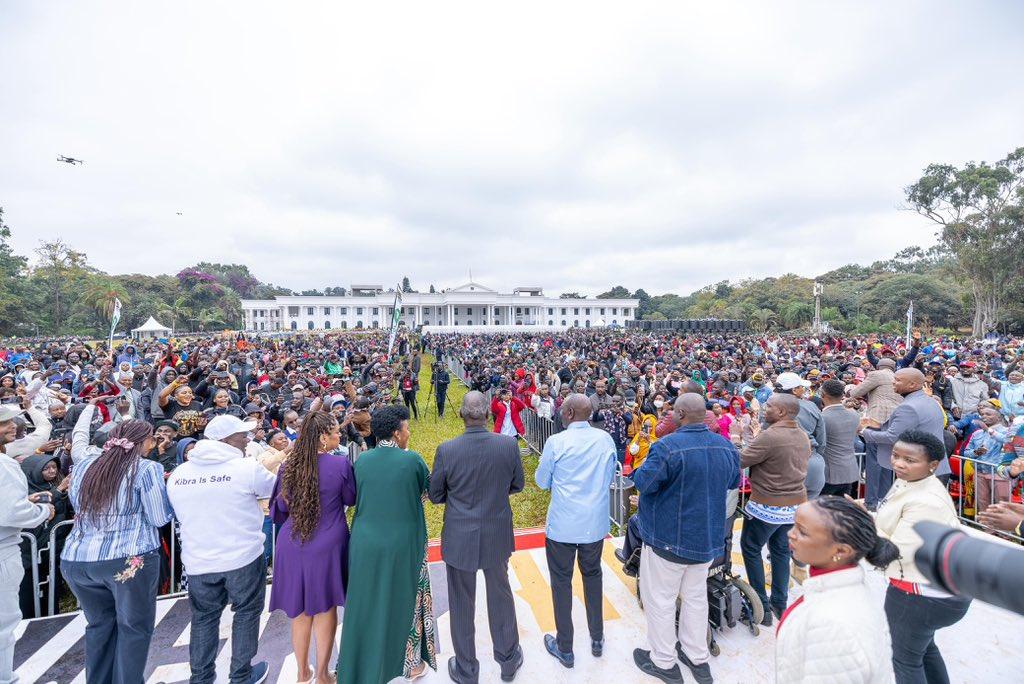
A surge of optimism swept through Kenya this morning, Monday, August 11, 2025, as President William Ruto unveiled plans to establish a Youth Enterprise Investment Bank this year, aimed at empowering young entrepreneurs with affordable loans, credit guarantees, and specialized training. The announcement, made during a youth forum in Nairobi at 9:00 AM East Africa Time, addresses the barriers faced by youth-led businesses, including high interest rates and lack of collateral, which have stifled innovation and growth. The bank, with an initial capital of Ksh9.75 billion, will target young people aged 18 to 35, offering tailored financial products to help them scale their ventures. Ruto also revealed that from September, eligible youth will receive Ksh50,000 each under the National Youth Opportunities Towards Advancement (NYOTA) program, coupled with training and market access support. "This is our commitment to the future; we’re investing in you because you are Kenya’s greatest asset," Ruto said, addressing a crowd of eager young faces.
The Youth Enterprise Investment Bank represents a bold step toward fostering an entrepreneurial ecosystem, with the government allocating Ksh9.75 billion to kickstart operations. The institution will provide low-interest loans, credit guarantees to mitigate risks for lenders, and training programs on business management and digital skills. Young entrepreneurs have long complained about the prohibitive costs of borrowing from traditional banks, where rates often exceed 15%, and stringent collateral requirements exclude many. A young tailor in Kisumu, threading a needle in his small shop, said, "Loans are too expensive; this bank could change everything for me." The initiative aims to unlock the potential of Kenya's youth, who make up 75% of the population under 35, amid a 67% unemployment rate in that demographic.
Public response has been a mix of excitement and cautious hope. In Mombasa, a teacher preparing lessons for her students caught the news and said, "This could give our kids a real chance if it’s done right." The bank’s focus on affordable financing addresses a key pain point, with guarantees covering up to 80% of loan defaults, encouraging banks to lend to startups. Ruto emphasized that the bank will prioritize sectors like agribusiness, technology, and creative industries, where youth innovation thrives. A student in Eldoret, scrolling through updates on his phone, added, "Training is key; many ideas fail without knowledge." The Ksh9.75 billion capital will come from government allocations and development partners, ensuring sustainability.
The NYOTA program, launching in September, adds another layer of support, providing Ksh50,000 grants to 50,000 youth annually for business startups or expansion. Coupled with six months of training and mentorship, the initiative aims to equip participants with skills in financial management and market navigation. Ruto's pledge comes amid economic pressures, with a Sh10 trillion public debt and 5.5% inflation straining household budgets. The program targets youth from low-income backgrounds, offering a lifeline to those facing barriers like lack of collateral. A mother in Nyeri, feeding her children, expressed hope, "My son has ideas; this could help him start," she said, clearing the table.
The announcements drew diverse reactions. In Thika, a father waiting at a clinic said, "My daughter needs training; this is a step forward." In Baringo, a community elder leading a discussion noted, "We need guarantees for our rural youth." The bank’s low-interest loans, at rates below 10%, contrast with commercial bank averages, making them accessible. Ruto highlighted partnerships with organizations like the Kenya Development Corporation for funding. A health worker in Kisii, coordinating a vaccination drive, added, "This could reduce poverty if they include health ventures." The program's success hinges on effective implementation.
As the day progressed, the story reached remote areas. In Marsabit, a herder listening to a radio broadcast said, "Our youth need this; let's see if it reaches us." In Mombasa’s markets, a vendor packing fish asked, "Will the grants be fair, or just for a few?" The Treasury plans to roll out the bank by December, with branches in major cities and online applications. The NYOTA grants will prioritize innovative ideas, with a selection committee ensuring transparency. A youth leader in Naivasha, reflecting on the news, said, "This could empower us if they follow through." The initiatives signal a shift toward youth-driven economic growth.
The afternoon brought a reflective mood to offices and homes. In Eldoret, a public servant preparing a report said, "This could cut unemployment if executed well." In Kisumu, a mother checking on her family added, "But we need monitoring to avoid corruption." The Ksh9.75 billion for the bank includes seed funding from the Treasury, with plans for expansion through returns. The NYOTA program's Ksh50,000 grants will be disbursed via mobile money, reducing administrative costs. A community organizer in Turkana, planning a radio talk, remarked, "We must ensure rural youth aren't left behind." The pledges test Ruto's commitment to the youth agenda.
Experts see potential for transformation. In Nairobi, a lawyer discussing over tea said, "Affordable loans could boost startups if the terms are fair." The bank's credit guarantees will cover up to 70% of loans, encouraging banks to lend. A vendor in Timau, closing his stall, said, "Let’s hope it helps small businesses." The program's focus on training includes digital literacy, vital in a tech-driven economy. A father in Nyahururu, walking home with his family, added, "This could be a game-changer for our kids." The initiatives mark a milestone in Kenya's youth empowerment efforts.
The evening saw continued engagement across the country. In Nakuru, a group at a market debated the news. "Will the loans be easy to get?" one trader asked, sorting vegetables. In Nairobi’s cyber cafes, a student scrolling through updates noted, "People are excited about this online." The Treasury plans public forums to explain application processes, ensuring transparency. A youth leader in Kitale, organizing an event, reflected, "This is our chance to build." As Kenya embraces these opportunities, the government’s follow-through will determine their success.