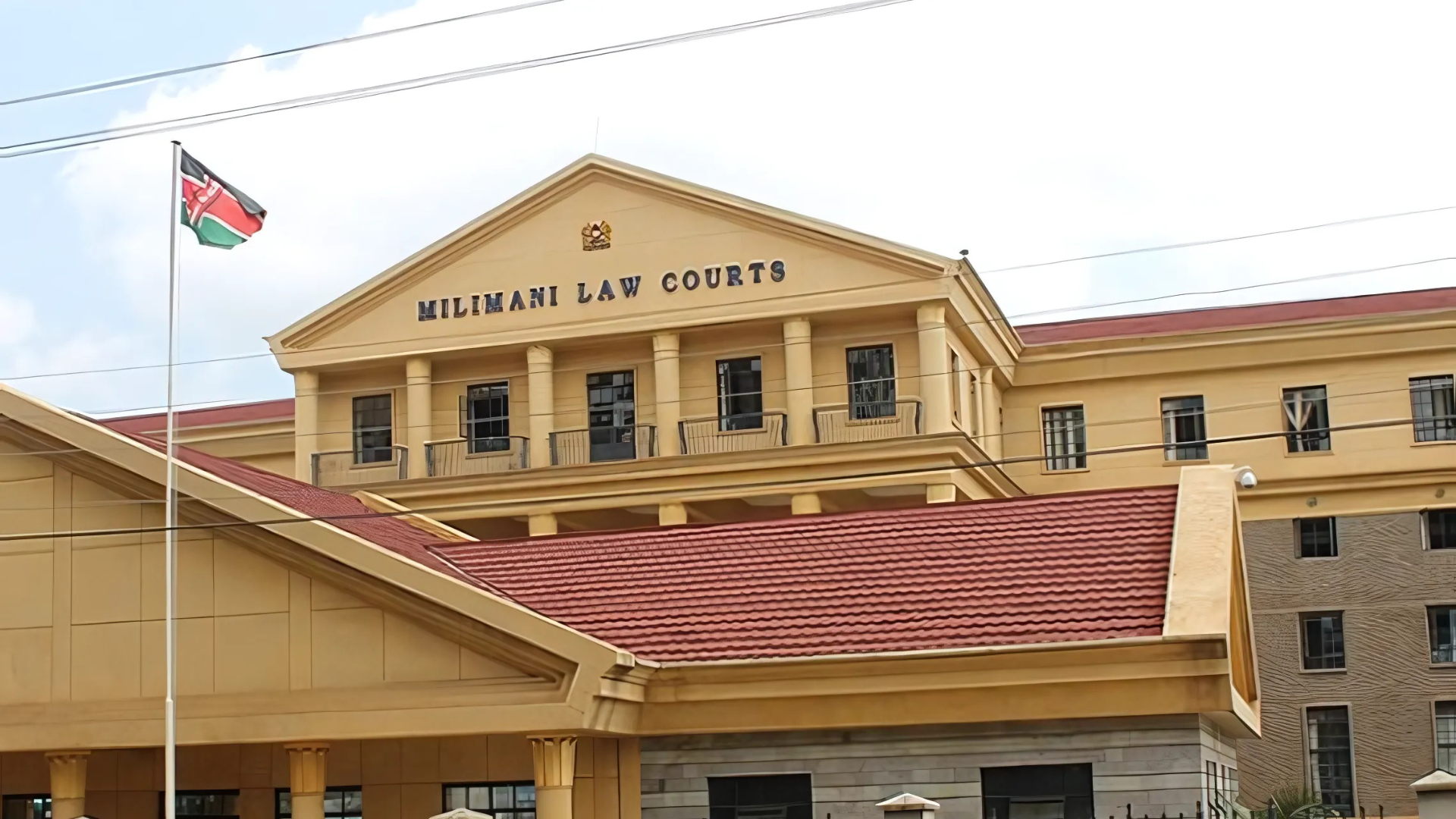
A tense atmosphere enveloped the Milimani Law Courts in Nairobi on Monday, July 28, 2025, as Police Constable Klinzy Masinde Barasa entered a not guilty plea to the murder of street vendor Boniface Kariuki Mwangi, an incident that unfolded outside Imenti House on June 17. The hearing, which commenced at 11:00 AM East Africa Time before Justice Kanyi Kimondo, marked a pivotal moment in a case that has gripped the nation, fueled by a viral video showing the fatal shooting amid protests. A mental assessment conducted by government psychiatrist Priscila Makau on July 21 concluded that Masinde is mentally fit to stand trial, paving the way for the plea. However, the prosecution strongly opposed his release, leading to a bond application hearing scheduled for August 19. “We trust the court to deliver justice for Boniface,” a relative of the deceased said outside the courtroom, wiping tears as supporters gathered.
The case traces back to June 17, when Kariuki, a 22-year-old mask vendor, was selling goods near Imenti House during protests sparked by the death of blogger Albert Ojwang. Video footage captured Masinde, a constable from Kayole Police Station, allegedly firing a shot at close range, striking Kariuki in the head. The vendor was rushed to Kenyatta National Hospital, where he underwent two brain surgeries but succumbed on June 30 after being declared brain-dead. Masinde’s plea of not guilty, delivered in a quiet voice, contrasted with the charged emotions in the room, where Kariuki’s family and activists demanded accountability. “This is not just about one life; it’s about stopping police violence,” a community leader in Nairobi remarked, addressing a small crowd.
The mental assessment, a critical step ordered by the court on July 10, aimed to determine Masinde’s capacity to participate in legal proceedings. Conducted at Mbagathi Hospital, the evaluation by Dr. Makau found no evidence of mental impairment, allowing the trial to proceed. Justice Kimondo accepted the report, scheduling the plea-taking and setting the stage for further arguments. The prosecution, led by State Prosecutor Vincent Monda, argued against Masinde’s release, citing the severity of the crime and the risk of flight. “The evidence is clear, and the public interest demands he remain in custody,” Monda told the court, prompting nods from Kariuki’s supporters. Masinde’s defense counsel, however, requested bond, a motion deferred to August 19 for a detailed hearing.
Public reaction across Kenya has been intense, with sentiments ranging from outrage to cautious hope. In Kisumu, a teacher preparing lessons listened to the radio, saying, “A not guilty plea doesn’t change what we saw on video.” In Mombasa, a shopkeeper serving customers expressed skepticism. “Will justice come, or will he walk free?” he asked as the news played. The case has reignited debates on police brutality, with activists pointing to the killing as part of a pattern during the June protests. A youth leader in Naivasha, organizing a forum, added, “This trial must send a message to all officers.” Social discussions, including posts found on X, reflect a mix of anger and calls for fairness, though the outcome remains uncertain.
The courtroom saw a heavy presence of Kariuki’s family, who have mourned publicly since his death. His mother, speaking after the hearing, said, “My son was just working to feed us; this pain won’t end until justice is served.” The family held a requiem mass at All Saints Cathedral on July 9, where they sought financial support for funeral costs, highlighting their struggle. Masinde, appearing dejected in the dock, remained silent beyond his plea, his hands cuffed until uncuffed for the proceedings. A vendor in Nakuru, sorting vegetables at a market, noted, “Seeing him in court feels like a start, but we need more.” The judge ordered Masinde remanded at Industrial Area Prison pending the bond decision.
The prosecution’s case hinges on the video evidence, which shows Masinde and colleague Duncan Kiprono engaging Kariuki before the fatal shot. Kiprono was released earlier due to insufficient evidence, a decision that drew criticism from human rights groups. The charge, under Section 203 as read with Section 204 of the Penal Code, alleges Masinde murdered Kariuki on June 17 outside Imenti House. The mental assessment’s clearance has shifted focus to the trial’s substance, with the August 19 hearing expected to address bond conditions like reporting requirements or sureties. A driver in Garissa, fueling his matatu, remarked, “If they deny bond, it shows they’re serious about this case.”
Communities across Kenya have followed the developments closely. In rural Kitale, a farmer tending maize fields heard a radio update, saying, “Police must answer for this; Boniface was innocent.” In urban Eldoret, a student at a cyber cafe scrolled through news, noting, “The not guilty plea won’t erase the truth.” The case has prompted calls for police reform, with some linking it to broader governance issues. A mother in Nyeri, feeding her children, expressed hope. “If the court acts, it could protect others,” she said, clearing the table. The trial’s progression has become a litmus test for public trust in the judicial system.
The morning’s proceedings drew attention from diverse groups. In Thika, a father waiting at a clinic said, “My family watches this closely; we need justice.” In Baringo, a herder tending cattle paused to hear a broadcast, adding, “This could change how police behave.” The prosecution’s opposition to release underscores concerns about public safety, given the high-profile nature of the case. A health worker in Kisii, coordinating a vaccination drive, said, “Keeping him in custody might calm the streets.” The deferral to August 19 allows time for legal teams to prepare, with Masinde’s defense likely to argue his clean record and family ties.
As the day progressed, the story spread to remote areas. In Marsabit, a herder listening to a radio update noted, “Justice delayed is justice denied.” In Mombasa’s markets, a vendor packing fish asked, “Will August bring answers?” The mental assessment’s role has been debated, with some questioning its timing, though Dr. Makau’s report was accepted without challenge. A youth leader in Naivasha, organizing a meeting, reflected, “This case tests our courts; we need transparency.” The bond hearing will determine Masinde’s pre-trial status, a decision watched by activists and families alike.
The afternoon brought a reflective mood to offices and homes. In Eldoret, a public servant preparing a report said, “A not guilty plea is his right, but the evidence is strong.” In Kisumu, a mother checking on her family added, “We pray for a fair trial.” The case’s visibility, amplified by the video, has pressured authorities to act decisively. A community organizer in Turkana, planning a radio talk, remarked, “This is bigger than one officer; it’s about our safety.” The August 19 date looms as a critical juncture, with legal arguments expected to focus on flight risk and public order.
Legal experts suggest the trial could set a precedent for police accountability, with a lawyer in Nairobi discussing over tea noting, “The video makes this hard to defend.” The process has involved meticulous preparation, including the mental assessment, to ensure a fair trial. A vendor in Timau, closing his stall, said, “Let’s hope the court sees the truth.” The prosecution’s stance against bond reflects a broader narrative of addressing police excesses, a concern raised during the June protests. A father in Nyahururu, walking home with his family, added, “Justice for Boniface could heal us.”
The evening saw continued engagement across the country. In Nakuru, a group at a market debated the case. “Will he stay locked up?” one trader asked, sorting goods. In Nairobi’s cyber cafes, a student scrolling through news noted, “People are watching every step.” The family’s push for justice, supported by community vigils, keeps the issue alive. A youth leader in Kitale, organizing an event, reflected, “We need a ruling that honors Boniface’s memory.” As the nation awaits the bond decision, the trial’s early stages signal a long road ahead in seeking resolution.