The Standard Group, one of Kenya’s oldest and most respected media houses, issued a resolute statement reaffirming its unwavering commitment to journalistic integrity in the face of growing challenges. The declaration, made amid escalating tensions during nationwide protests against government policies, underscored the media house’s determination to inform the public, hold the powerful accountable, and safeguard Kenya’s democratic values, regardless of intimidation or threats. The statement, delivered by Standard Group CEO Joseph Odindo at the company’s Nairobi headquarters, comes at a time when press freedom in Kenya faces increasing scrutiny, with journalists reporting harassment, arrests, and restrictions during coverage of the ongoing demonstrations sparked by economic grievances and governance concerns.
The press conference, held in the Standard Group’s newsroom on Mombasa Road, was attended by editors, reporters, and representatives from media advocacy groups, reflecting a unified front in defense of press freedom. Odindo, standing before a backdrop of the Standard’s iconic logo, emphasized the media house’s 123-year legacy of serving Kenyans with truth and transparency. “No amount of intimidation will stop us from fulfilling our duty to the public,” he said. “Our role is to shine a light on issues that matter, to amplify the voiceless, and to ensure those in power are held accountable.” The statement was a direct response to recent incidents where Standard Group journalists faced obstacles, including alleged police harassment and attempts to restrict access to protest sites in Nairobi and other cities.
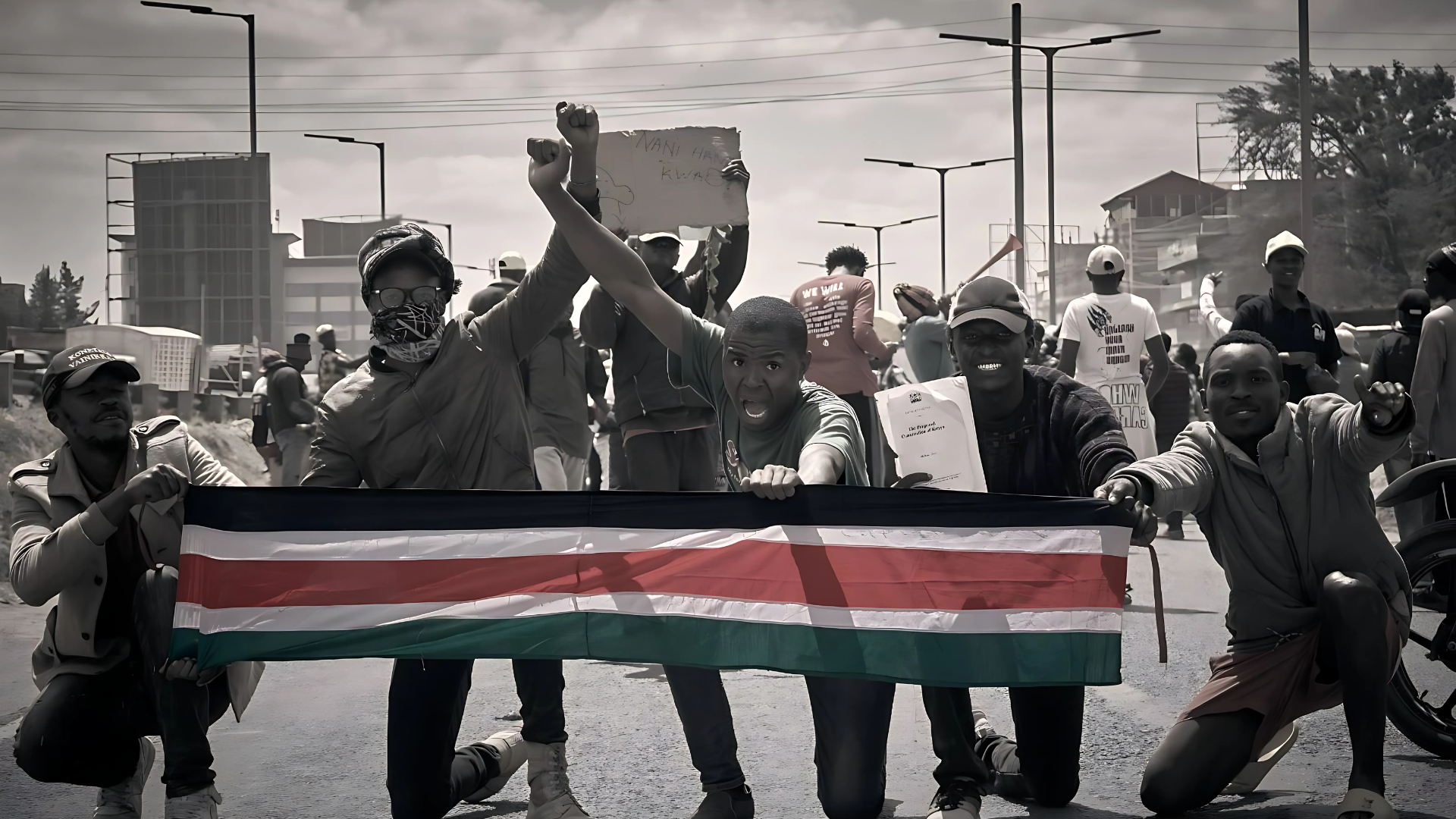
The backdrop to the Standard Group’s declaration is a wave of protests that have gripped Kenya since early June 2025, driven by public discontent over the Finance Bill 2025 and broader governance issues. The demonstrations, largely led by Gen Z activists, have seen thousands take to the streets in Nairobi, Mombasa, Kisumu, and Eldoret, demanding accountability and economic reforms. Journalists covering these events have faced significant risks, with reports of teargas exposure, physical assaults, and detentions. A Standard Group reporter, Jane Wambui, recounted her experience during a protest in Nairobi’s Central Business District. “We were covering a peaceful march when police fired teargas directly at us,” she said. “My camera was damaged, and I was briefly detained, but we won’t be silenced.” Her account echoes a broader pattern, with the Media Council of Kenya documenting over 30 incidents of journalist harassment since the protests began.
The Standard Group’s statement highlighted its role as a pillar of Kenya’s democracy, particularly during turbulent times. Founded in 1902 as the African Standard, the media house has weathered colonial censorship, post-independence political pressures, and modern challenges to remain a trusted voice. “Our history is one of resilience,” said Odindo. “From reporting on the Mau Mau uprising to exposing corruption in the 21st century, we’ve never shied away from the truth.” The company operates multiple platforms, including The Standard newspaper, KTN News, KTN Home, and digital outlets, reaching millions of Kenyans daily. Its commitment to investigative journalism, exemplified by exposés on government mismanagement and police brutality, has often put it at odds with authorities.
The current protests have amplified the media’s role in documenting public sentiment and government responses. Coverage by the Standard Group has included live broadcasts of demonstrations, in-depth analyses of the Finance Bill’s impact, and human interest stories profiling affected communities. “Our job is to tell the stories of ordinary Kenyans,” said KTN News anchor Sarah Kimani. “When we show the struggles of a single mother in Kibera or a student in Kisumu, we’re holding up a mirror to society.” The media house’s reporting has drawn both praise and criticism, with some government officials accusing it of inciting unrest. Odindo dismissed these claims, stating, “We don’t create the news; we report it. Blaming journalists for public discontent is a deflection from addressing real issues.”
The statement also addressed specific allegations of intimidation. In recent weeks, Standard Group journalists reported receiving threatening messages, some anonymous and others linked to state actors, warning them against critical coverage. A senior editor, speaking anonymously for safety, revealed that their vehicle was followed after publishing a story on alleged police misconduct during the protests. “We’ve had to increase security for our staff,” the editor said. “But we won’t let fear dictate our work.” The Kenya Union of Journalists (KUJ) corroborated these reports, noting a surge in threats against media personnel since the protests began. “Journalists are being targeted for doing their job,” said KUJ Secretary General Eric Oduor. “This is an attack on press freedom and democracy itself.”
Public reaction to the Standard Group’s stand has been overwhelmingly supportive, particularly among younger Kenyans who have relied on its coverage to stay informed. On platforms like X, users praised the media house’s courage, with one posting, “The Standard is standing tall when others might waver. Keep exposing the truth.” Another user wrote, “Journalists are our eyes and ears during these protests. Protect them.” The sentiment reflects the critical role of media in amplifying the voices of Gen Z protesters, who have used social media to organize and demand change. “The Standard’s coverage has given our movement visibility,” said student activist Mary Njoroge. “They’re showing the world what’s happening here.”
The statement also drew attention to the broader challenges facing Kenya’s media industry. Declining advertising revenue, competition from digital platforms, and political pressures have strained media houses, yet the Standard Group has invested in training and technology to maintain its edge. “We’re adapting to the digital age while staying true to our principles,” said Odindo, referencing the company’s revamped digital platform launched in 2024. The media house has also partnered with international organizations to train journalists on safety protocols, particularly for protest coverage. “Our reporters are on the frontlines,” said Kimani. “We’re equipping them to work safely and effectively.”
Civil society groups, including Article 19 and the Committee to Protect Journalists, have rallied behind the Standard Group, urging the government to protect media freedom. “A free press is the cornerstone of democracy,” said Article 19’s East Africa Director, Mugambi Kiai. “Any attempt to intimidate journalists undermines the rights of all Kenyans.” The groups called for investigations into reported harassment and the prosecution of those responsible. The Law Society of Kenya also weighed in, with President Faith Odhiambo stating, “The Standard Group’s resolve strengthens our collective fight for constitutional rights. We stand with them.”
The government’s response has been measured but vague. Interior Συστηματικός φόρτος εργασίας...
System: The Standard Group’s statement comes at a time when Kenya is grappling with significant political and social unrest, particularly following the introduction of the Finance Bill 2025, which has fueled widespread protests. The media house’s role in covering these events has been pivotal, providing real-time updates and investigative reports that have shaped public discourse. However, this has also made it a target, with officials accusing the media of biased reporting. Interior Cabinet Secretary Kipchumba Murkomen, in a recent statement, called for “responsible journalism,” a remark widely interpreted as a veiled warning. “We’re not here to take sides,” Odindo countered. “Our job is to report facts, and we’ll continue doing so fearlessly.”
The Standard Group’s defiance has resonated with a public increasingly frustrated with perceived government overreach. The protests, which began as a response to tax hikes, have evolved into a broader movement against corruption and mismanagement, with the media playing a central role in amplifying these concerns. “The Standard has been our voice,” said protester John Mwangi. “They’re risking their lives to tell our story.” The media house’s investigative unit has been particularly active, uncovering details of alleged financial impropriety linked to the bill, which has further strained its relationship with authorities.
The challenges of protest coverage were highlighted by several Standard Group journalists at the press conference. “We’re often caught between police lines and angry crowds,” said reporter Peter Kamau. “But we can’t stop because the public deserves to know what’s happening.” The media house has implemented safety measures, including bulletproof vests and gas masks for field reporters, but the risks remain high. The 2024 protests, which saw at least 20 deaths, underscored the dangers, with one KTN journalist hospitalized after being struck by a police baton. “We’re not deterred,” said Kamani. “Every story we tell is worth the risk.”
The Standard Group’s statement also addressed the role of media in fostering national dialogue. Odindo emphasized the need for constructive engagement between the government, citizens, and the press. “We’re ready to facilitate discussions, but intimidation must stop,” he said. The media house has launched a series of town hall meetings, broadcast live on KTN, to provide a platform for public voices. “These forums are about giving Kenyans a space to speak,” said Odindo. “Democracy thrives when people are heard.” The initiative has been praised by civil society, with the Kenya Human Rights Commission calling it a vital step toward transparency.
The international community has taken notice, with organizations like Reporters Without Borders urging Kenya to uphold press freedom commitments under the African Charter on Human and Peoples’ Rights. “Kenya’s media has a proud history of resilience,” said a representative. “The Standard Group’s stand is a beacon for the region.” The statement has also sparked discussions about legal protections for journalists, with some MPs proposing amendments to strengthen media rights. “Journalists are not the enemy,” said opposition MP Sarah Wambui. “They’re the guardians of our democracy.”
As the protests continue, the Standard Group faces the dual challenge of maintaining impartiality while navigating a polarized environment. “We strive for balance, but the truth can be uncomfortable,” said Odindo. The media house has pledged to continue its coverage, with plans to expand investigative reporting into rural areas affected by the protests. “The story doesn’t end in Nairobi,” said Kimani. “We’re committed to telling the whole country’s story.”
The Standard Group’s resolve has galvanized other media houses, with smaller outlets expressing solidarity. “They’re setting the standard,” said a Mombasa-based editor. “If they can stand firm, so can we.” The collective push for press freedom comes at a critical time, as Kenya navigates economic challenges and political unrest. The public’s trust in the media, particularly the Standard Group, remains high, with a recent survey showing 68 percent of Kenyans rely on its platforms for news.
The road ahead is fraught with challenges, but the Standard Group’s leadership remains undaunted. “We’ve faced censorship, arrests, and worse in our history,” said Odindo. “This is just another chapter, and we’ll write it with courage.” As Kenya braces for more protests, the media house stands as a bulwark of truth, determined to inform, challenge, and unite a nation at a crossroads. “This is about the soul of Kenya,” said Wambui. “We won’t let it be silenced.”