Kenya’s digital connectivity received a significant boost on June 23, 2025, as Starlink, the satellite internet service operated by Elon Musk’s SpaceX, announced the resumption of new subscriptions in Nairobi and its environs after a seven-month suspension. The pause, which began in November 2024, was prompted by network congestion caused by overwhelming demand in the capital and neighboring counties of Kiambu, Machakos, Kajiado, and Murang’a. The reopening marks a milestone in Starlink’s efforts to scale its infrastructure in Kenya, a market that has seen its subscriber base soar from 8,063 to 19,146 between June and December 2024. As the country embraces a digital-first future, the move has sparked renewed optimism among businesses, students, and remote workers, though challenges like regulatory pressures and urban capacity constraints remain.
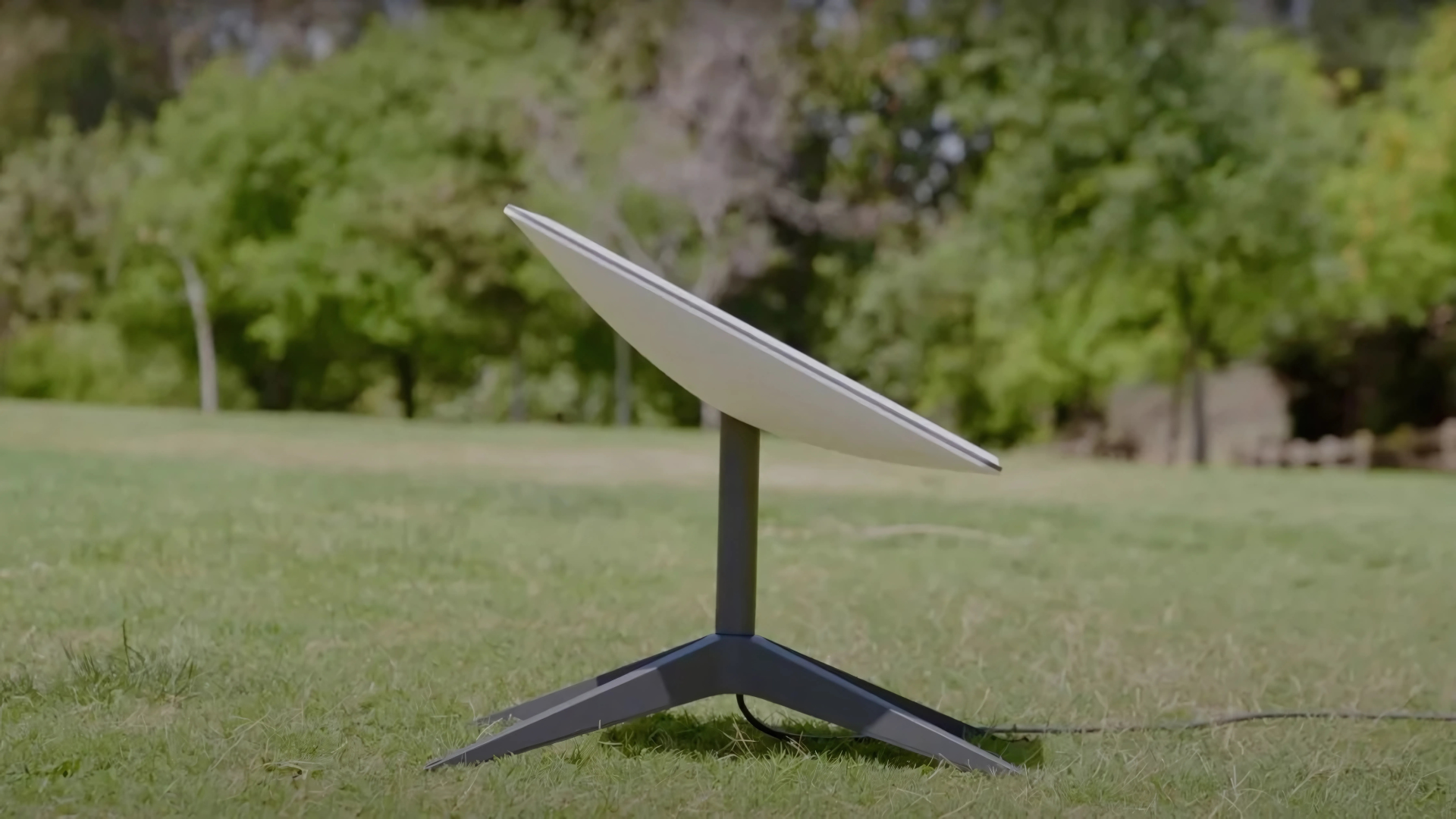
Starlink’s entry into Kenya in July 2023 disrupted the internet service provider (ISP) landscape, offering high-speed, low-latency internet to urban and rural areas alike. Its low-Earth orbit (LEO) satellites, orbiting at 550 to 1,200 kilometers, deliver speeds of up to 200 Mbps, a stark improvement over traditional satellite services and even some terrestrial networks. “Starlink changed how I work,” said Jane Wanjiku, a freelance graphic designer in Kiambu. “Before, I struggled with slow connections, but now I can upload large files in minutes.” The service’s appeal, particularly in areas with unreliable fibre or mobile networks, led to a 101% subscriber growth between June and September 2024, pushing Starlink to the seventh-largest ISP in Kenya by December.
However, this rapid adoption strained Starlink’s network, especially in Nairobi’s densely populated metropolitan area. By November 2024, the company halted new subscriptions, citing bandwidth limitations that could degrade service quality for existing users. “We couldn’t keep adding customers without compromising performance,” said a Starlink spokesperson at the time. The decision affected Nairobi and nearby counties, leaving prospective users frustrated. “I bought a kit last year, but I couldn’t activate it,” said Isaac Migiro, a small business owner in Ngong. “It’s been sitting in my house for months.” Starlink’s availability map marked these regions as “sold out,” with only premium plans costing over Sh130,000 monthly available, far beyond the reach of most Kenyans.
To address the congestion, Starlink invested in infrastructure upgrades, including a new ground station in Nairobi that went live in January 2025. These stations act as relays between satellites and the global internet, reducing latency and boosting capacity. “The ground station was a game-changer,” said Peter Kamau, a tech consultant in Nairobi. “It’s why they can now handle more users without crashing the network.” The company also increased its satellite constellation, reaching 7,135 satellites by March 2025, though urban demand continued to outpace supply. The reopening of subscriptions reflects Starlink’s confidence in its enhanced capacity, though it warned that sign-ups may still be limited in high-density areas to maintain service quality.
The resumption comes with attractive pricing options that fueled Starlink’s initial growth. The standard kit, once priced at Sh74,000, now costs Sh30,000, with a rental option at Sh1,950 per month. Service plans start at Sh1,300 for a 50 GB monthly data package, while unlimited high-speed plans cost Sh6,500. The introduction of the Starlink Mini kit at Sh27,000 in September 2024 further lowered the entry barrier. “The Mini kit is perfect for students like me,” said Mercy Achieng, a university student in Machakos. “It’s affordable, and I can study online without buffering.” These pricing strategies, coupled with M-Pesa payment integration, have made Starlink accessible to a broader demographic, from rural farmers to urban entrepreneurs.
The impact of Starlink’s return extends beyond individual users. Businesses, particularly in Nairobi’s tech and e-commerce sectors, see the service as a catalyst for growth. “Reliable internet is critical for our operations,” said Sarah Mwangi, CEO of a Nairobi-based startup. “Starlink’s comeback means we can scale without worrying about connectivity.” The service has also supported digital inclusion, enabling remote learning and telemedicine in underserved areas. In Kajiado, for instance, community centers equipped with Starlink have become hubs for online education. “Our kids can now access the same resources as those in cities,” said John Ole, a community leader.
Despite its success, Starlink faces regulatory and competitive challenges. Safaricom, Kenya’s leading ISP with a 36.1% market share, has lobbied the Communications Authority of Kenya (CA) to impose restrictions on satellite providers operating without local partnerships. “We need a level playing field,” said Safaricom CEO Peter Ndegwa in September 2024. Safaricom responded to Starlink’s growth by upgrading its fibre packages, doubling speeds for plans like the 15 Mbps connection at Sh3,000. The CA’s proposal to raise satellite internet license fees from $12,302 to $115,331 and add a 0.4% turnover levy could further complicate Starlink’s operations. “These regulations could drive up costs for consumers,” warned tech analyst James Otieno.
President William Ruto has praised Starlink for fostering competition, noting during a September 2024 address that it has pushed local ISPs to improve services. “Starlink’s presence is a win for Kenyans,” he said. “It’s making the internet faster and more affordable.” This support has bolstered Starlink’s position, though the company’s lack of a local office has frustrated some users seeking direct support. “Communication is all online,” said Migiro. “It’s hard to get answers when you’re stuck.” Starlink relies on its website and social media for customer engagement, a model that works for tech-savvy users but may alienate others.
The broader context of Kenya’s internet market underscores Starlink’s significance. The country’s fixed internet subscriptions grew by 5% to 1.57 million between June and September 2024, with satellite subscriptions surging by 105%, largely due to Starlink’s expansion. By December 2024, Starlink held a 1.1% market share, surpassing established players like Liquid Telecom. “Starlink is redefining connectivity,” said Mary Wanjiku, an ICT policy expert. “It’s not just about speed; it’s about reaching places others can’t.” The service’s ability to deliver internet to remote regions like North Eastern Kenya, where terrestrial infrastructure is scarce, has made it a vital tool for digital transformation.
However, urban congestion remains a hurdle. Starlink’s technical limitation of supporting only 1,500 users within a 22-kilometer radius struggles to keep pace with Nairobi’s population density. “The city’s demand is insane,” said Kamau. “They need more ground stations to handle it.” Starlink’s global experience in cities like Lagos and Lusaka, where similar pauses occurred, suggests that scaling urban markets requires ongoing investment. The company’s commitment to deploying additional gateways, including plans for more in Kenya, signals a long-term strategy to address this challenge.
For prospective subscribers, the reopening is a welcome relief. “I’ve been waiting since last year,” said Paul Njoroge, a teacher in Murang’a. “Now I can finally get connected.” Starlink has urged users to check its availability map for real-time updates, with notifications sent to those who registered during the pause. The company’s focus on maintaining service quality, even at the cost of temporary restrictions, has earned it goodwill among existing users. “I’d rather they limit sign-ups than let everyone suffer slow speeds,” said Wanjiku.
As Starlink reopens subscriptions, its role in Kenya’s digital future is undeniable. The service has sparked a connectivity revolution, challenging traditional ISPs and empowering communities. Yet, its ability to balance rapid growth with infrastructure expansion will determine its long-term success. “Starlink is here to stay,” said Mwangi. “But they need to keep up with Kenya’s hunger for internet.” With the nation’s digital landscape evolving, Starlink’s return to Nairobi marks a new chapter in the quest for universal connectivity.