By Brenda Wereh03 Jul, 202531 mins read 2,051 views
0 comments 0 likes
Kenya’s teachers’ unions, KNUT and KUPPET, issued a seven-day strike notice after failed negotiations with the Teachers Service Commission for the 2025-2029 Collective Bargaining Agreement, demanding a 60 percent salary increase and enhanced allowances, threatening to disrupt the education sector.
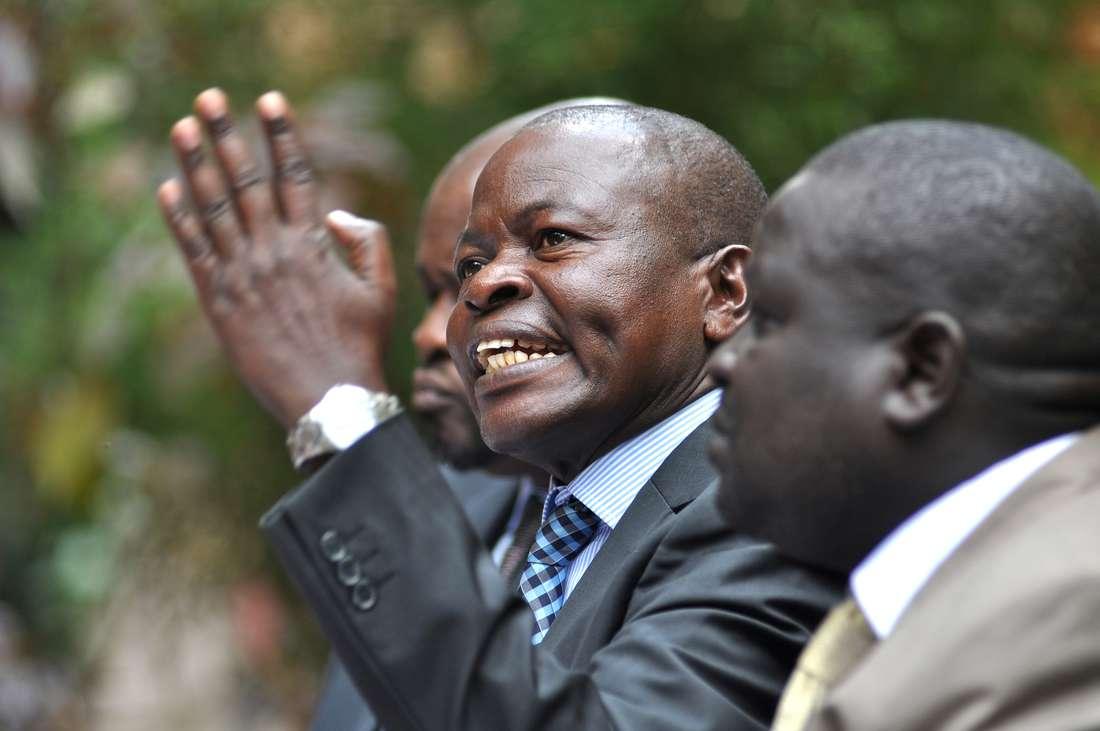
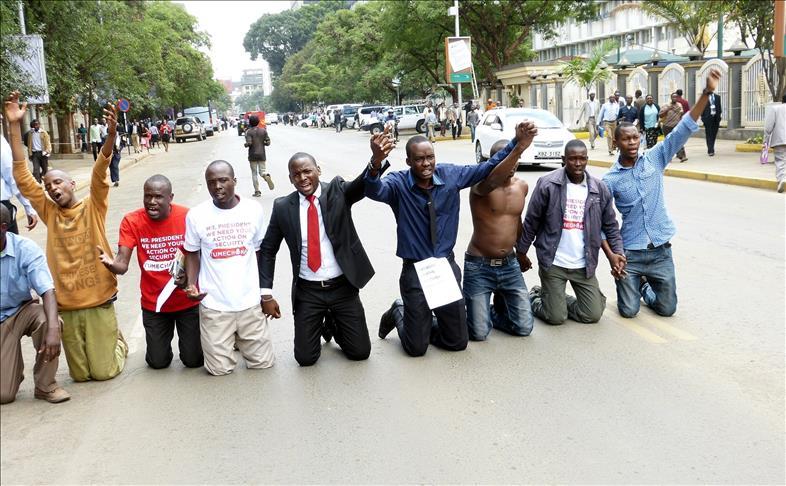
Kenya’s education sector braced for potential disruption as the Kenya National Union of Teachers and the Kenya Union of Post-Primary Education Teachers issued a seven-day strike notice, signaling a looming nationwide teachers’ strike. The announcement came after negotiations for the 2025-2029 Collective Bargaining Agreement with the Teachers Service Commission collapsed, leaving over 370,000 teachers frustrated and ready to down tools. The unions are demanding a 60 percent salary increase, a 30 percent hike in allowances, and the introduction of new benefits like risk and convalescent leave, citing rising living costs and unfulfilled promises from the previous 2021-2025 agreement. With schools set to resume for the third term in late August, the standoff threatens to disrupt learning for millions of students, particularly those preparing for national examinations.
The failed talks mark a significant escalation in tensions between the Teachers Service Commission and the unions, which represent primary and secondary school teachers across Kenya. “We came ready, but the TSC arrived empty-handed,” said Collins Oyuu, KNUT Secretary General, during a press briefing in Nairobi. “Teachers have been patient through a cashless CBA in 2021, but this time, we demand a meaningful agreement that reflects our economic realities.” The 2021-2025 Collective Bargaining Agreement, implemented in two phases starting July 2023, provided modest salary increments of 2.5 to 9 percent and backdated arrears, but teachers argue it fell short of addressing inflation, which hit 5.6 percent in June 2025. The unions’ latest demands include doubling the lowest-paid teachers’ salaries from KES 23,830 to KES 47,660 over four years and increasing commuter allowances from KES 4,000 to KES 14,000 for entry-level teachers.
The collapse of negotiations stems from the Teachers Service Commission’s failure to present a counter-offer to the unions’ proposals, which were submitted months earlier. “The TSC’s delaying tactics are unacceptable,” said Omboko Milemba, KUPPET National Chairman. “We’re not asking for charity; we’re demanding what’s fair for teachers who shape Kenya’s future.” The unions had expected the commission to engage promptly after consulting the Salaries and Remuneration Commission, but the July 1 meeting yielded no progress. KUPPET’s draft proposal calls for a 50 to 100 percent salary increase across job grades, with specific emphasis on lower-paid teachers in Grade B5 and C2, who struggle with rising costs in urban and hardship areas. Additionally, KNUT is pushing for a risk allowance for science and technical subject teachers, equivalent to 10 percent of their basic salary, due to hazards in under-equipped laboratories.
The threat of a strike comes at a critical time, as high school students prepare for their final examinations, including the Kenya Certificate of Secondary Education, scheduled for October 2025. “A strike now would be catastrophic,” said Sarah Wambui, a parent in Eldoret. “My daughter is in Form Four, and every day counts for her preparation.” The education sector is already grappling with challenges from the Competency-Based Curriculum rollout, which has increased teachers’ workloads without corresponding pay adjustments. The unions argue that the government’s failure to allocate sufficient funds in the 2025/2026 budget, read on June 12, exacerbates the crisis. “The budget ignored teachers’ welfare,” said Akelo Misori, KUPPET Secretary General. “We’re left with no choice but to mobilize our members for action.”
The government’s financial constraints add complexity to the dispute. National Treasury Cabinet Secretary John Mbadi recently acknowledged a KES 13 billion shortfall in the Teachers Service Commission’s budget, limiting the ability to meet demands like converting 46,000 intern teachers to permanent terms and hiring 20,000 new teachers. “We’re navigating a tight fiscal space,” Mbadi told a local television station. “Adjustments require a supplementary budget, which isn’t guaranteed.” The budget deficit, projected at 8.7 percent of GDP for the 2025/2026 financial year, has fueled skepticism about the government’s ability to fund the proposed salary hikes. Teachers, however, argue that education, a cornerstone of Kenya’s Vision 2030, should not be shortchanged. “Other sectors get priority, but teachers are left begging,” said Oyuu.
Public sentiment, particularly on social media platforms like X, reflects growing frustration. “Teachers deserve better pay, but a strike hurts our kids,” one user posted. “Why can’t TSC and the government plan ahead?” Another user added, “Teachers are underpaid for the work they do. Support the strike!” The hashtag #TeachersStrike2025 has gained traction, with memes and posts highlighting teachers’ struggles and the government’s perceived inaction. Some users recalled the 2024 strike, which disrupted the third term before being resolved with a KES 13 billion deal for the second phase of the 2021-2025 CBA. “History is repeating itself,” said a Nairobi-based teacher on X. “We strike, they promise, then we’re back here again.”
The Teachers Service Commission has urged calm, promising to resume talks by July 20, but the unions remain skeptical. “We’ve heard promises before,” said Moses Nthurima, KUPPET Deputy Secretary General. “Without a concrete counter-offer, we’re mobilizing for a nationwide shutdown.” The unions have called on teachers to attend religious services on July 7 to pray for a resolution, while preparing for industrial action if the deadline passes unmet. The commission’s outgoing CEO, Nancy Macharia, emphasized past successes, noting that her tenure saw two CBAs implemented at a cost of KES 72 billion. “We’ve institutionalized collective bargaining,” Macharia said at a recent principals’ forum. “But fiscal realities must guide our decisions.”
Teachers’ demands extend beyond salaries. KUPPET is pushing for a 200 to 250 percent increase in commuter allowances, raising the highest from KES 16,000 to KES 48,000, and expanding hardship allowances to cover more regions. KNUT has proposed 30 days of fully paid annual leave and convalescent leave based on medical recommendations, addressing teachers’ health needs amid demanding schedules. “Teaching isn’t just a job; it’s a calling that takes a toll,” said a Mombasa-based teacher, Jane Otieno. “We need support to keep going.” The unions also demand promotions for 130,000 teachers stagnating in lower job grades, with KUPPET citing cases of intern teachers stuck in temporary roles for years.
The economic context adds urgency to the dispute. With inflation eroding purchasing power, teachers argue that current salaries—ranging from KES 23,830 for Grade B5 to KES 162,539 for chief principals—are inadequate. Housing allowances, which vary from KES 3,850 in rural areas to KES 50,000 in Nairobi, have not kept pace with rising rents. “I spend half my salary on rent and transport,” said Peter Kamau, a secondary school teacher in Nakuru. “How can I focus on teaching when I’m barely surviving?” The unions’ push for a 60 percent salary increase aims to align pay with living costs, particularly for teachers in hardship areas, who receive allowances of KES 6,600 to KES 38,100 based on location and grade.
The government’s response has been cautious, with Education Cabinet Secretary Julius Migos urging stakeholders to consider fiscal challenges. “Teachers’ demands are legitimate, but we must balance them with national priorities,” Migos said at a recent education conference. The ministry has promised to fast-track negotiations, but the unions’ ultimatum has heightened pressure. “We’re not bluffing,” said Misori. “If TSC doesn’t act by July 7, schools won’t reopen as planned.” The standoff has drawn comparisons to past strikes, including a three-week action in 2012 that secured a KES 13.5 billion deal and a one-week strike in 2024 that led to the second phase of the 2021-2025 CBA.
Parents and students are bracing for impact. “My son’s KCSE exams are around the corner,” said Esther Naserian, a parent in Kisumu. “A strike now would be devastating.” The education sector, already strained by flooding-related closures in May 2024, faces further disruption. Primary schools, represented by KNUT, may join the strike, though they called off a similar action in August 2024 after securing partial concessions. “We’re united this time,” said Oyuu. “Primary and secondary teachers stand together.” The unions have vowed to mobilize their 280,000 members, potentially paralyzing learning across Kenya’s 30,000 public schools.
As the July 7 deadline approaches, the Teachers Service Commission faces a race against time to avert a crisis. “We’re committed to dialogue,” said a commission spokesperson. “But teachers must understand the government’s constraints.” For now, the nation watches anxiously, hoping for a resolution that balances teachers’ welfare with the urgent need to keep schools open. The outcome of this dispute will test the government’s commitment to education and its ability to manage a restive workforce amid economic pressures.
Former Kiambu Governor Ferdinand Waititu has secured a major bail reprieve from the High Court, with Justice Winfrida Okwany reducing his bail from Sh53.5 million to Sh20 million cash pending appeal in his ongoing corruption case.
President Ruto and Governor Sakaja signed a cooperation agreement allocating funds for 50,000 new streetlights, water plants saving 50 million litres daily, 27 km Nairobi River sewer and ward road upgrades, with Ruto calling it a partnership to make the city livable while opposition senators warn of devolution threats.
A staff member at Moi Teaching and Referral Hospital allegedly stole Sh10 million by falsifying patient bills as paid in the eCitizen system while diverting the money to her personal account, prompting an ongoing police and hospital investigation.