By Brenda Wereh13 Feb, 202615 mins read 2,118 views
0 comments 0 likes
Kenya's National Treasury is seeking approval from China Exim Bank to issue a Sh390 billion bond for the SGR extension to Malaba, with CS John Mbadi confirming ongoing talks to waive a loan clause linking the Railway Development Levy to debt repayment.
Kenya's National Treasury is seeking formal approval from China Exim Bank to issue a Sh390 billion infrastructure bond that will finance the extension of the Standard Gauge Railway from Naivasha to Malaba.
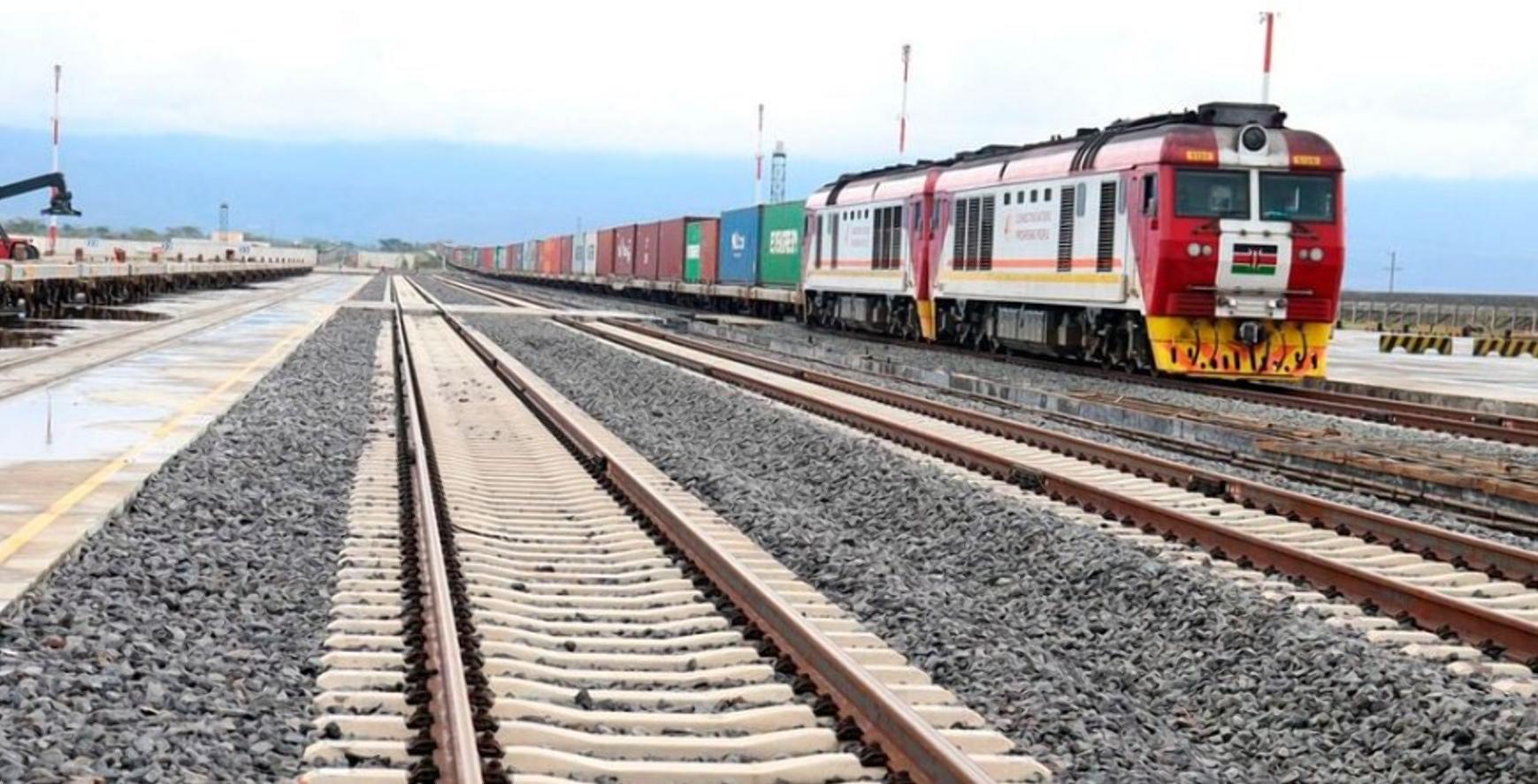
SGR train on track
Treasury Cabinet Secretary John Mbadi confirmed the requirement during an interview on December 23, 2025, explaining that the bond issuance is subject to a covenant in the existing Exim Bank loan agreements. “The SGR Phase 2A financing terms include a clause that ties the Railway Development Levy directly to debt servicing,” Mbadi said. “Any new bond issuance that could affect the levy’s application needs the lender’s consent. We are in active discussions with China Exim Bank to secure a waiver or amendment so we can proceed with the bond.”
The proposed bond, expected to be issued in the domestic and international markets in 2026, would carry a tenure of 15–20 years and fund the remaining 362-kilometre stretch of the Mombasa–Kampala SGR line from Naivasha through Eldoret to Malaba at the Uganda border. The full corridor is a flagship project under the Northern Corridor Integration Projects and is intended to connect Kenya’s coast to Uganda, Rwanda, South Sudan and the Democratic Republic of Congo.
Mbadi said the government is exploring a waiver of the levy clause to ring-fence the RDL for its original purpose—funding SGR construction and maintenance—while allowing the new bond to be serviced from other revenue streams. “We want to protect the levy so it continues supporting rail infrastructure without being diverted,” he said. “At the same time, we need flexibility to raise long-term capital at competitive rates. The discussions with Exim Bank are constructive and we expect a positive outcome soon.”
The Sh390 billion figure represents the estimated cost of the Naivasha–Malaba section, including land acquisition, civil works, signalling, rolling stock and associated infrastructure. Kenya Railways Corporation Managing Director Phillip Mainga said the extension is critical for regional trade. “Once completed, the full Mombasa–Malaba line will reduce transit times, lower transport costs and boost intra-EAC trade,” Mainga said. “The bond will allow us to fast-track construction without further straining the budget.”
The requirement for China Exim Bank approval stems from the 2014 financing agreement for the Mombasa–Nairobi SGR, which was 90% funded by a concessional loan from the Chinese bank. That agreement includes a negative pledge clause and restrictions on additional debt that could impair the repayment of the existing facility. The RDL, introduced in 2013 at 1.5% on imported goods, was specifically pledged as a dedicated revenue stream for SGR debt service.
Analysts say the waiver talks are crucial because the RDL remains one of the most reliable revenue sources for the SGR debt. “If the levy is fully subordinated or redirected, it could affect credit ratings and investor appetite for the new bond,” said financial consultant Moses Kemibaro. “Securing Exim’s consent is therefore non-negotiable.”
The proposed bond will likely be a mix of domestic infrastructure bond (targeting local pension funds, banks and retail investors) and international Eurobond or syndicated loan components. The Treasury has already engaged financial advisors and is preparing the prospectus.
Opposition leaders have criticised the continued borrowing for SGR. “We are piling more debt on a project that is yet to break even,” said Wiper Party leader Kalonzo Musyoka. “Kenyans deserve transparency on how this bond will be repaid and what safeguards are in place.”
Mbadi defended the financing strategy. “This is not new debt for the sake of debt,” he said. “It is targeted capital for a high-return infrastructure asset that will generate foreign exchange, reduce road maintenance costs and create thousands of jobs. The SGR has already transformed logistics in the country, and extending it to Malaba will unlock even greater value.”
The Kenya Railways Corporation has reported steady progress on preparatory work for the extension, including feasibility studies, environmental and social impact assessments and preliminary land acquisition. Construction is expected to begin in late 2026 once financing is secured.
The outcome of the waiver discussions with China Exim Bank will be closely watched by investors, rating agencies and development partners as Kenya seeks to balance infrastructure ambitions with debt sustainability.
Former Kiambu Governor Ferdinand Waititu has secured a major bail reprieve from the High Court, with Justice Winfrida Okwany reducing his bail from Sh53.5 million to Sh20 million cash pending appeal in his ongoing corruption case.
President Ruto and Governor Sakaja signed a cooperation agreement allocating funds for 50,000 new streetlights, water plants saving 50 million litres daily, 27 km Nairobi River sewer and ward road upgrades, with Ruto calling it a partnership to make the city livable while opposition senators warn of devolution threats.
A staff member at Moi Teaching and Referral Hospital allegedly stole Sh10 million by falsifying patient bills as paid in the eCitizen system while diverting the money to her personal account, prompting an ongoing police and hospital investigation.