A dramatic chapter in Kenya’s ongoing fight against corruption opened this morning, Tuesday, September 2, 2025, as former Bungoma Governor Whycliffe Wangamati and 10 other suspects were arraigned in court, facing charges of engaging in fraudulent procurement practices contrary to public procurement laws. The proceedings, which began at 10:25 AM East Africa Time at the Milimani Anti-Corruption Court in Nairobi, mark the formal start of a high-profile case that has gripped the nation, with the Ethics and Anti-Corruption Commission (EACC) leading the prosecution. The accused, including county officials and business associates, entered the dock amid tight security, as the case promises to unravel alleged financial misconduct during Wangamati’s tenure from 2017 to 2022. "We are committed to ensuring justice prevails," said an EACC spokesperson outside the courtroom, addressing a crowd of journalists. The development has sparked intense discussion across Kenya, where a Sh10 trillion national debt and 5.5% inflation frame the economic context.
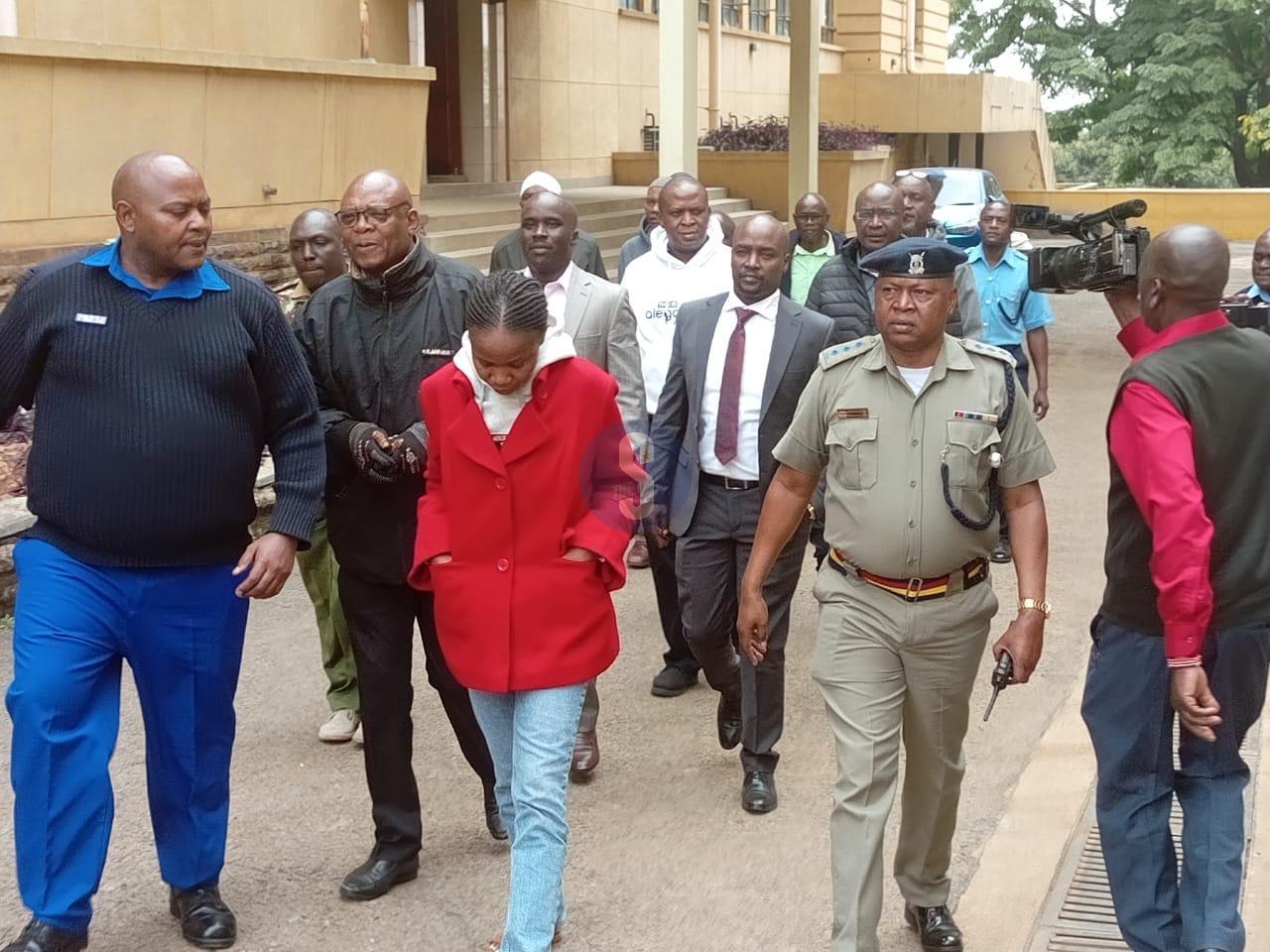
The charges stem from an EACC investigation into procurement irregularities within Bungoma County, alleging that Wangamati and his co-accused manipulated tender processes to award contracts worth millions to favored companies, siphoning public funds. The 11 suspects, whose names were read aloud in court, include former county executives and directors of firms implicated in the scandal, with the prosecution claiming the fraudulent practices spanned multiple financial years. Wangamati, who spent the previous night in custody after presenting himself to EACC on Monday, maintained his innocence, telling reporters as he entered the court, "These charges are a political attack, and I will prove my case." A farmer in Migori, tending his maize field, remarked, "If true, this hurts the people who trusted him."
Public response has been a mixture of outrage and skepticism. In Kisumu, a teacher preparing lessons for her students caught the news on her radio and said, "Corruption like this steals from our schools." The case, initiated after a 2024 audit flagged discrepancies in county spending, alleges that the accused bypassed competitive bidding, inflating costs and diverting approximately Ksh70 million. The arraignment follows months of public summons and legal battles, with Wangamati’s defense team questioning the investigation’s credibility, particularly citing the inclusion of a deceased individual in earlier notices. A youth leader in Naivasha, organizing a community forum, added, "We need accountability, not excuses." The proceedings test judicial resolve.
The morning’s events drew diverse reactions. In Thika, a mother preparing breakfast for her children said, "I hope they punish those who misused our money." In Baringo, a herder tending cattle noted, "Politics often hides the truth in these cases." The court session, presided over by Judge Esther Maina, saw the prosecution present initial evidence, including tender documents and bank statements, while the defense requested more time to prepare. The charges, framed under the Anti-Corruption and Economic Crimes Act, carry potential penalties of up to 10 years imprisonment or hefty fines if convicted. A driver in Garissa, fueling his matatu, remarked, "This could set a precedent for other leaders." The case reflects governance scrutiny.
As the day progressed, the story reached remote areas. In Marsabit, a community elder listening to a radio update said, "Our county needs honest leaders, not this." In Mombasa’s markets, a fisherman packing nets asked, "Will this change how tenders are done?" The 10 co-accused, including individuals linked to construction firms, face similar charges of aiding fraudulent procurement, with the EACC alleging a coordinated scheme to benefit private entities. The trial is expected to span several months, with the next hearing scheduled for October 15 to allow for plea submissions. A shopkeeper in Homa Bay, preparing for the Devolution Conference, noted, "This case could restore trust if handled fairly." The proceedings address public concern.
The morning brought a reflective mood to offices and homes. In Eldoret, a public servant preparing a report said, "Corruption cases like this delay our progress." In Kisumu, a father checking on his family added, "My cousin worked under Wangamati; he’s shocked." The allegations date back to Wangamati’s administration, with critics pointing to inflated contracts for road projects and supplies as evidence of mismanagement. The EACC’s move, backed by the Director of Public Prosecutions’ approval in August, follows President William Ruto’s recent anti-corruption pledges, though Wangamati’s supporters argue it’s politically motivated ahead of the 2027 elections. A community organizer in Turkana, planning a radio talk, remarked, "We need the full story." The case challenges political narratives.
Experts see a critical test. In Nairobi, a legal analyst discussing over tea said, "This case could redefine accountability if evidence holds." The prosecution’s success hinges on proving intent and financial trails, a challenge given past acquittals in similar cases due to weak documentation. A vendor in Timau, closing his stall, said, "Let’s hope it’s not just talk." The court has ordered the accused to surrender their passports, with bail set at Ksh5 million each, a condition Wangamati’s lawyer called excessive given his cooperation. A father in Nyahururu, walking home with his family, added, "Justice must be fair for all." The trial marks a legal milestone.
The day saw continued engagement across the country. In Nakuru, a group at a market debated the news. "Will they repay the money?" one trader asked, sorting vegetables. In Nairobi’s cyber cafes, a student scrolling through updates noted, "Social media is demanding answers." The EACC plans to release a public report next month, while Wangamati’s legal team prepares a defense, possibly citing political interference. A youth leader in Kitale, organizing an event, reflected, "This could inspire change if the law works." As the case unfolds, its outcome will shape Kenya’s anti-corruption efforts.