The food you eat before a workout can make or break your performance in the gym. Whether you're lifting weights, running, or practicing yoga, your body needs the right fuel to power through and recover effectively. Pre-workout nutrition is about more than just staving off hunger—it's about providing your muscles with energy, maintaining stamina, and preventing fatigue. With so much conflicting advice about what to eat and when, crafting the perfect pre-workout meal can feel overwhelming. This article breaks down the science of pre-workout nutrition, offers practical meal ideas, and includes insights from experts and athletes to help you optimize your gym sessions.
The primary goal of a pre-workout meal is to provide energy in the form of carbohydrates, support muscle function with protein, and ensure hydration. Carbohydrates are the body's preferred energy source, stored as glycogen in the muscles and liver. A meal rich in complex carbohydrates, paired with a moderate amount of protein and minimal fat, can sustain energy levels and protect muscle tissue during exercise. "Your pre-workout meal is like putting premium fuel in a car," says Grace Nyambura, a Nairobi-based sports nutritionist. "The right mix of nutrients primes your body for peak performance."
Timing is critical when it comes to pre-workout eating. Eating too close to exercise can lead to discomfort, while eating too far in advance may leave you running on empty. Ideally, a balanced meal should be consumed two to three hours before a workout, with a small snack 30 to 60 minutes prior if needed. "I used to eat right before the gym and felt sluggish," says Michael Kamau, a 29-year-old marathon runner from Eldoret. "Switching to a meal two hours before and a banana 30 minutes prior changed everything. I have more energy and don’t feel weighed down."
Carbohydrates are the cornerstone of pre-workout nutrition. Complex carbohydrates, such as whole grains, fruits, and starchy vegetables, provide a steady release of energy. Foods like oats, brown rice, sweet potatoes, and quinoa are excellent choices because they digest slowly, keeping blood sugar levels stable. For a quick boost closer to workout time, simple carbohydrates like bananas, apples, or dates are ideal due to their fast-digesting sugars. A 2024 study found that consuming 30-60 grams of carbohydrates before exercise can improve endurance and strength by up to 15%. "I always recommend a bowl of oatmeal with fruit for my clients," says Nyambura. "It’s versatile, nutrient-dense, and keeps you fueled for hours."
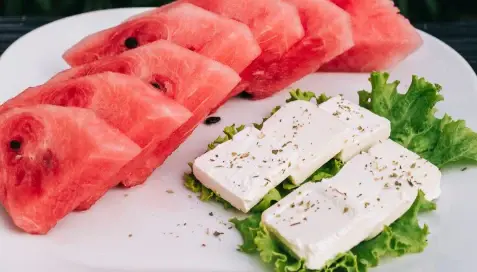
Protein plays a supporting role by providing amino acids to prevent muscle breakdown during exercise. While it’s not the primary energy source, including a small amount of protein can enhance muscle recovery and reduce soreness. Good options include eggs, Greek yogurt, lean meats, or plant-based sources like lentils and tofu. "I started adding a scoop of protein powder to my pre-workout smoothie," says Esther Wanjiku, a 34-year-old CrossFit enthusiast from Nakuru. "I noticed I wasn’t as sore the next day, and I could push harder during my workouts."
Fats, while essential for overall health, should be kept to a minimum before exercise because they digest slowly and can cause discomfort. However, small amounts of healthy fats from sources like avocados, nuts, or peanut butter can be included in a meal eaten two to three hours prior. "A slice of whole-grain toast with a thin spread of peanut butter and a banana is my go-to," says Kamau. "It’s light but keeps me going through long runs."
Hydration is just as important as food. Dehydration can impair performance, reduce strength, and increase fatigue. Aim to drink at least 500 milliliters of water two to three hours before exercise, and another 200-300 milliliters 10-20 minutes before starting. Electrolyte-rich drinks can be beneficial for intense workouts lasting over an hour, especially in hot climates. "Living in Mombasa, I sweat a lot during workouts," says Wanjiku. "I started sipping coconut water before the gym, and it’s been a game-changer for my stamina."
For those with early morning workouts, eating a full meal may not be practical. In these cases, a small snack like a handful of dried fruit, a slice of toast with honey, or a smoothie can provide enough energy without overloading the stomach. "I train at 6 a.m., so I can’t eat a big breakfast," says David Ochieng, a 40-year-old gym owner in Kisumu. "A small yogurt with berries 45 minutes before works perfectly for me." If you’re fasting or prefer not to eat before morning workouts, sipping on a sports drink or black coffee can provide a slight energy boost without upsetting your stomach.
The type of workout also influences what you should eat. For endurance activities like running or cycling, prioritize carbohydrates to fuel prolonged effort. Strength training benefits from a mix of carbs and protein to support muscle repair. High-intensity interval training (HIIT) requires quick-digesting carbs to sustain bursts of energy. "I tailor my pre-workout meals to my clients’ goals," says Nyambura. "A weightlifter might have chicken and rice, while a runner might go for a fruit smoothie with a scoop of protein."
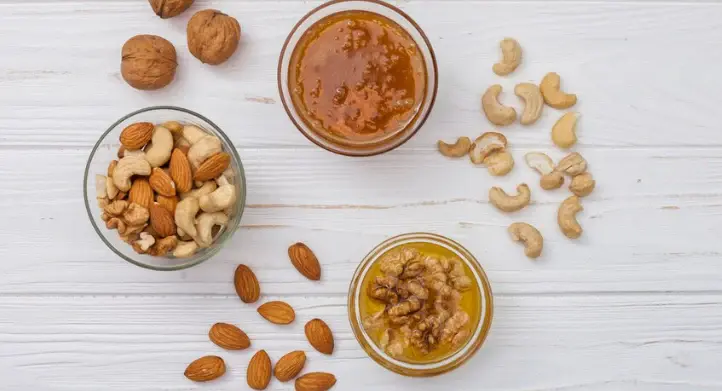
Personal preferences and dietary restrictions also play a role. Vegetarians and vegans can opt for plant-based proteins like chickpeas, tempeh, or hemp seeds, paired with carbs like sweet potatoes or whole-grain bread. Those with gluten sensitivities can choose rice, quinoa, or gluten-free oats. "I’m lactose intolerant, so I use almond milk in my pre-workout smoothies," says Wanjiku. "It’s about finding what works for your body." Experimenting with different foods and timing can help you discover what feels best.
Portion size matters as much as food choice. A meal that’s too large can lead to bloating or cramping, while a meal that’s too small may leave you fatigued. As a general rule, a pre-workout meal should contain 200-400 calories, depending on your body size and workout intensity. For snacks closer to exercise, aim for 100-200 calories. "I used to overeat before the gym, thinking more food meant more energy," says Ochieng. "But I learned that smaller, balanced portions work better for me."
Caffeine can be a useful pre-workout tool for some, as it enhances focus and endurance. A cup of coffee or tea 30-60 minutes before exercise can provide a boost, but avoid overloading with high doses, which can cause jitters or an elevated heart rate. "I have a small espresso before my evening workouts," says Kamau. "It gives me just enough kick without messing with my sleep."
Meal planning can simplify pre-workout nutrition. Preparing meals in advance ensures you have the right balance of nutrients without the stress of last-minute decisions. Examples of balanced pre-workout meals include a chicken and quinoa bowl with steamed vegetables, a smoothie with spinach, berries, and protein powder, or a turkey sandwich on whole-grain bread with lettuce and tomato. For snacks, try a handful of almonds with an apple, Greek yogurt with honey, or a rice cake with almond butter.
Listening to your body is key. What works for one person may not work for another, and factors like workout intensity, duration, and individual metabolism all play a role. Keep a food and exercise journal to track how different meals affect your performance. "I tell my clients to treat their body like a science experiment," says Nyambura. "Try different combinations and see what makes you feel strong and energized."
Pre-workout nutrition doesn’t have to be complicated. By focusing on balanced meals, proper timing, and hydration, you can fuel your body for success in the gym and beyond. "It’s not about perfection," says Ochieng. "It’s about consistency and giving your body what it needs to perform." With the right approach, your pre-workout meals can set the stage for better workouts, faster recovery, and long-term health.