Uganda’s political landscape was set ablaze with the confirmation that President Yoweri Museveni, now 80, will seek a seventh term in the January 2026 general elections. The announcement, made by Tanga Okoi, head of the election commission for the ruling National Resistance Movement (NRM), came during a press conference in Kampala, where he stated that Museveni would complete nomination forms on June 28 for both the NRM chairmanship and presidential candidacy. “The President will arrive personally to fill out the necessary documents,” Okoi declared, signaling Museveni’s intent to extend his 40-year rule. In a nation where 80% of the population is under 35, the decision has sparked heated debate, with supporters praising Museveni’s experience and critics decrying the entrenchment of power in a country yearning for change. As Uganda prepares for a pivotal election, the contrast between a youthful populace and aging leadership underscores tensions that could shape the nation’s future.
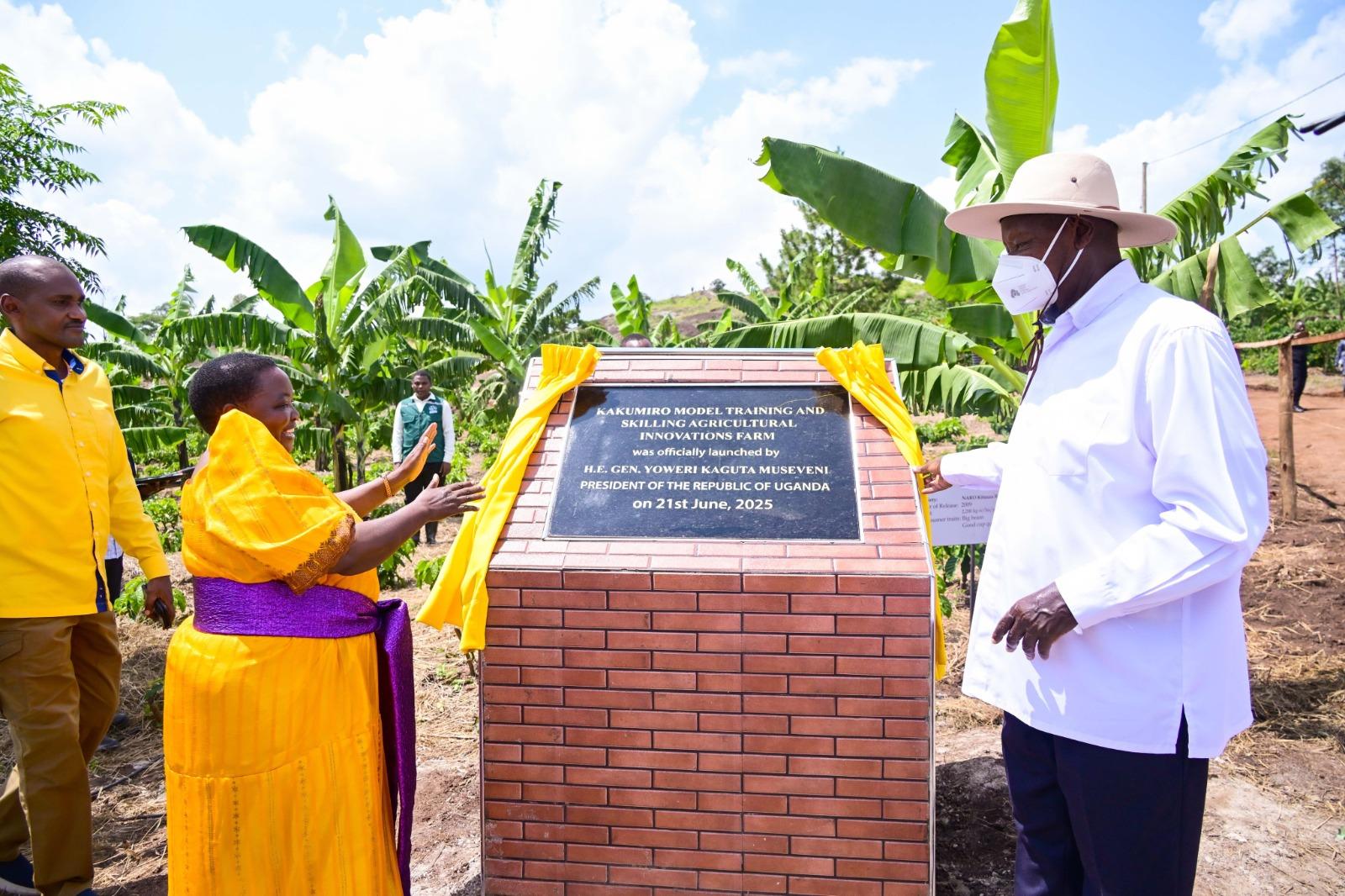
Museveni, who seized power in 1986 after a guerrilla war, has been a towering figure in Ugandan politics, steering the country through economic reforms, regional conflicts, and infrastructure growth. His supporters, including NRM loyalists and rural voters, credit him with stabilizing a nation once plagued by civil war and fostering development through initiatives like the Parish Development Model. “Museveni has given us peace and progress,” said Esther Nankya, a farmer in Mpigi. “Who else can lead us with such wisdom?” The NRM’s early announcement, unusual for a party that typically selects candidates closer to elections, reflects confidence in Museveni’s enduring appeal, particularly in rural strongholds. At a recent rally in Kituntu Subcounty, Museveni urged citizens to reject voter bribery, emphasizing his commitment to fair elections. “You have the power; don’t throw it away for money,” he said, highlighting new biometric voting machines to curb rigging.
Yet, the prospect of Museveni’s candidacy has reignited concerns about democratic stagnation. Uganda’s 2026 elections, scheduled for January 12, will mark the seventh since Museveni’s ascent, and opposition leaders argue his prolonged rule stifles progress. Robert Kyagulanyi, popularly known as Bobi Wine, leader of the National Unity Platform (NUP), has confirmed his candidacy, framing the election as a battle for the soul of Uganda’s youth. “We cannot just give the election to General Museveni,” Wine told supporters in Kampala. “This is about our future, not his past.” At 43, Wine represents a generational shift, resonating with young Ugandans frustrated by unemployment, corruption, and repression. With 57% voter turnout in 2021 and allegations of fraud, Wine’s campaign is already bracing for a contentious race, citing past violence and abductions of NUP supporters.
The 2021 election, marred by irregularities and a brutal crackdown, looms large over 2026. At least 50 people died during protests over Wine’s arrests, and the U.S. State Department called the process “fundamentally flawed.” Wine, who secured 35% of the vote against Museveni’s 59%, alleged ballot stuffing and military intimidation. “It was the most fraudulent election in Uganda’s history,” he said, a claim Museveni dismissed, insisting it was the “most cheating-free” since 1962. The 2026 election faces similar scrutiny, with the Electoral Commission grappling with a Sh623.9 billion funding gap, raising fears of logistical failures. Justice Simon Byabakama, the commission’s chairperson, has called for urgent parliamentary support to fund voter education, ballot production, and polling staff training. “This election is critical,” Byabakama said. “We need resources to ensure fairness.”
Museveni’s decision to run follows years of speculation about his succession, particularly involving his son, Muhoozi Kainerugaba, the 50-year-old Chief of Defence Forces. Kainerugaba, once seen as a potential successor, announced in September 2024 that he would not run in 2026, instead endorsing his father. “I fully support President Museveni,” he posted on social media, quelling rumors of a family rift. However, his controversial actions, including threatening Wine and posting about abducting NUP activist Edward Sebuufu, have fueled fears of military overreach. “Muhoozi’s behavior shows the regime’s impunity,” said Wine, referencing Sebuufu’s detention. The U.S. Holocaust Memorial Museum has warned of potential “mass atrocities” in 2026, citing rising repression and ethnic tensions stoked by figures like Kainerugaba.
The opposition faces formidable challenges. Kizza Besigye, a veteran rival of Museveni’s, remains detained on treason charges, alongside aide Obeid Lutale, following their abduction in Nairobi in November 2024. The use of military courts to prosecute civilians, including over 1,000 since 2002, has drawn condemnation from human rights groups. “Military justice is a tool to silence dissent,” said Martha Karua, a Kenyan lawyer leading Besigye’s defense. The NUP reports over 2,000 activists kidnapped since 2021, with 18 still missing. Journalists, too, face increasing threats, with attacks on reporters covering a March 2025 by-election in Kawempe North prompting media houses to pull staff. “Covering elections is dangerous,” said Angela Quintal of the Committee to Protect Journalists. “Authorities must ensure accountability.”
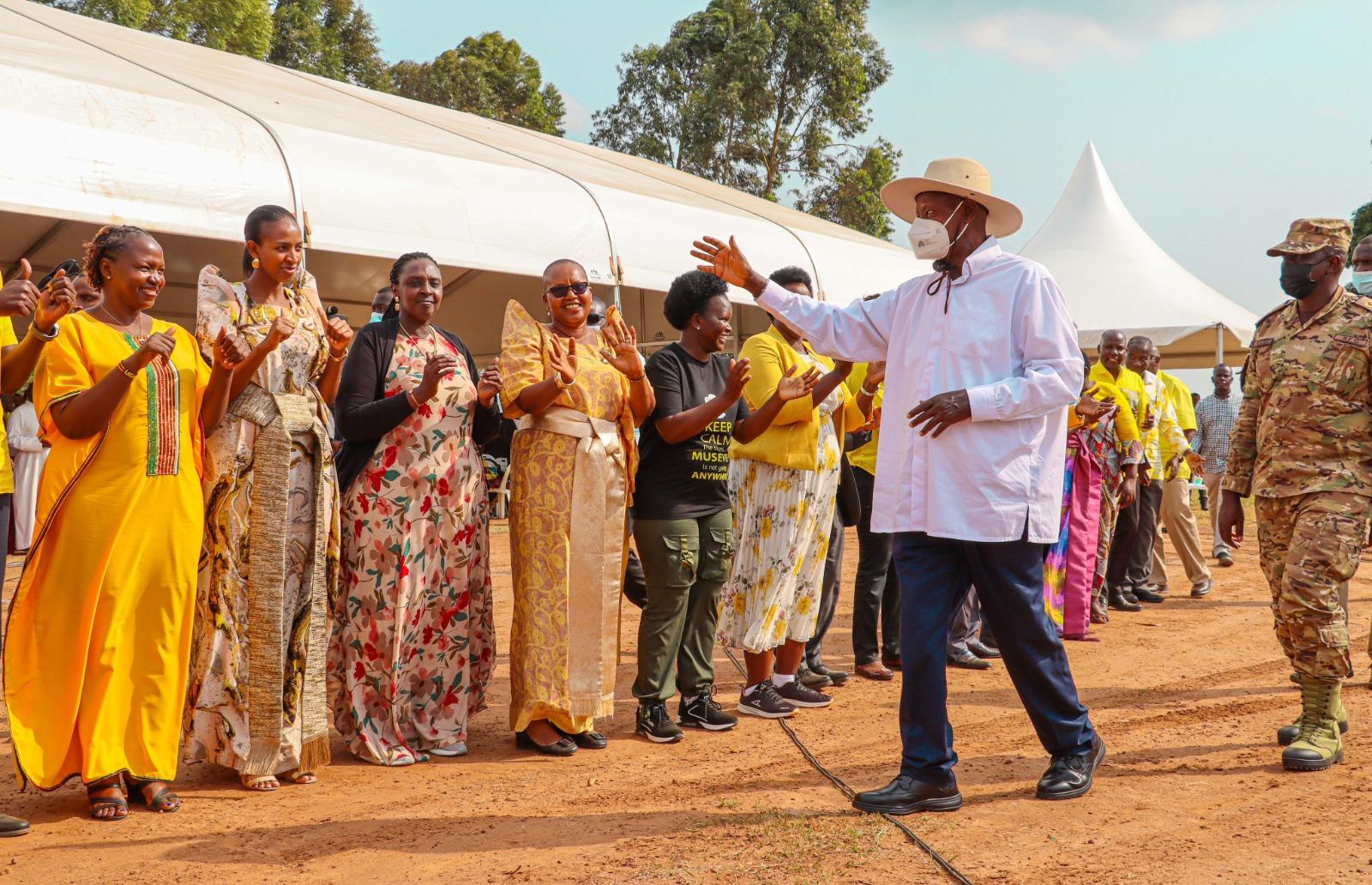
Museveni’s grip on power relies on a robust network of loyalists, including Resident District Commissioners (RDCs), who act as his “eyes and ears” across Uganda. Many RDCs, often former NRM operatives, mobilize support and mediate local disputes, reinforcing Museveni’s influence. “RDCs are like mini-Musevenis,” said political analyst Su Muhereza. “They keep the NRM dominant, even in opposition strongholds.” The party’s control of 353 parliamentary seats, bolstered by 146 reserved for women, gives Museveni a legislative edge. However, the NUP’s gains in 2021, securing the most opposition seats, signal a shifting tide, particularly in urban areas like Kampala and the Buganda region.
Economic challenges further complicate the election. Uganda’s coffee sector, a key foreign exchange earner, faces upheaval after Museveni abolished the Uganda Coffee Development Authority, a move critics say targets Buganda, an opposition stronghold. Corruption, costing an estimated 10 trillion Ugandan shillings ($2.5 billion) annually, remains a flashpoint. “Our debt will take 97 years to repay,” Wine said, blaming mismanaged foreign aid. Youth unemployment, at 13%, fuels discontent, with young Ugandans like student Aisha Namutebi demanding change. “We’re tired of the same leader,” she said. “Our generation deserves a voice.” Museveni counters that his experience drives stability, pointing to infrastructure projects like the Kampala-Entebbe Expressway.
The NRM’s early endorsement of Museveni, first signaled in a 2019 resolution, aims to unify the party amid internal factions. “The NRM is Museveni, and Museveni is the NRM,” said spokesperson Emmanuel Dombo, dismissing claims of rigging. Yet, opposition leaders like NUP’s Joel Ssenyonyi argue Museveni’s candidacy ensures unfairness. “He’s both referee and player,” Ssenyonyi said. Proposals to shift to a parliamentary system, where lawmakers elect the president, have surfaced, but analyst Sarah Bireete calls the timing premature. “Our democracy isn’t mature enough,” she said. “It would only entrench Museveni’s power.”
International attention is growing, with the U.S. and EU calling for transparent elections. Wine has urged global leaders to prioritize human rights over diplomacy. “The world must stand with us,” he said, warning of a “bloody” election. Museveni, however, remains defiant, framing opposition protests as threats to public safety. “We promote peaceful elections,” said Dombo, accusing the NUP of inciting chaos. The Electoral Commission’s roadmap, with nominations set for September 17 to October 3, 2025, and campaigns starting in October, emphasizes early preparations, but concerns about voter suppression persist. “Many in the north don’t get voter education,” said MP Santa Alum, urging better outreach.
As Uganda approaches 2026, the election represents a crossroads. Museveni’s supporters see him as indispensable, while opponents view his candidacy as a barrier to progress. “He’s beatable if the election is fair,” said Ssenyonyi, though past violence casts a shadow. For young Ugandans, the stakes are personal. “This is our country, our future,” said Namutebi. “We want leaders who reflect us.” Whether Museveni’s experience or the opposition’s call for change prevails, the 2026 elections will test Uganda’s democratic resilience, with the world watching a young nation navigate the weight of its oldest leader.